
Forget passive income. I'd rather help you build something that pays. Most lists of online businesses to start read like wishful thinking, not operating advice. They skip the hard part, which is picking a model you can validate, sell, and keep running when the first burst of motivation fades.
The better move is simple. Choose a model, test demand fast, and keep your overhead low until buyers prove you're right. That fits the situation at hand, where online business activity keeps growing and consumer buying online stays strong. One source reports that 29.9% of all businesses are now conducted online, up from 21.5% in 2015, and global retail e-commerce sales are projected at $4.3 trillion in 2025 (Cropink's business statistics summary). Another source reports that the UK created 67,186 e-commerce businesses in 2023 and 56,616 more in 2024, with a cumulative 166,052 live e-commerce businesses on Companies House, while e-commerce reached 30% of all retail sales in Q4 2024 (UK e-commerce business data).
I'm not here to romanticize any of this. I'm here to tell you what works, what wastes time, and where a Midwest founder can start without acting like they need a perfect plan first. If you want the straight version, here it is.
1. E-Commerce Brand
If you want a real asset, build a product brand. You sell physical goods through Shopify, Amazon, or your own site, and you learn fast whether people want what you're making. That's the advantage, because once the product fits a real need, you can repeat the sale instead of chasing one-off gigs.

I like this model for founders who already know a category from the inside. If you use a product every day, you know the language, the complaints, and the small details customers care about. That gives you a head start over someone copying whatever looks popular on a trend list.
Practical rule: don't buy a pile of inventory before you've tested demand. Start lean, learn from real buyers, then scale the product that people keep rebuying.
Use a simple validation path. Check search interest, look at competitor reviews, and talk to buyers before you place a larger order. Then track unit economics with discipline, because if your acquisition cost keeps eating your margin, you don't have a business, you have an expensive hobby.
A few ways I'd approach it:
- Start with what you already know. Beauty, home goods, pet items, and specialty food all work better when you understand the customer.
- Use dropshipping or small test runs first. You want proof before you commit to manufacturing.
- Build your email list from day one. That list is one of the few assets you fully control.
- Study your best customers. The top slice of buyers usually teaches you where your next revenue comes from.
I'd also start with the Chicago Brandstarters guide to starting an ecommerce business if you want a founder-minded walkthrough that keeps you grounded. And if you want to use AI to speed up product visuals and store content, affordable AI for online stores is worth a look.
2. Digital Products and Courses
Digital products are clean and direct. You make the thing once, then you sell it many times without shipping a box or touching inventory. That makes this model one of the easiest ways to turn knowledge into income if you've already solved a problem other people still struggle with.
The mistake I see all the time is making a course before making a sale. Don't do that. Pre-sell it, collect feedback, and see whether people will pay before you spend weeks recording lessons nobody asked for.
Start With One Pain Point
Pick one problem you've lived through. Don't try to teach everything you know. A good digital product is like a wrench, not a toolbox, it fixes one thing well.
If you've built systems for a client, write the templates. If you learned how to get a service off the ground, turn that into a starter guide. If you know a workflow cold, package it as a course, a checklist, or a template set.
You don't need a polished studio to begin. You need clear teaching, a specific buyer, and proof that the promise matters. Create a waitlist, speak to a few potential buyers, and watch what they keep asking for.
A few strong formats are:
- Templates and swipe files. People pay for shortcuts that save time.
- Mini-courses. Smaller buys are easier to validate than giant flagship programs.
- E-books. These work when you have a clear process or framework.
- Community bundles. A product plus support often feels more useful than a file sitting in a folder.
I'd keep the first price simple and testable. Then, once buyers start responding, you can raise the value with coaching, group access, or a deeper curriculum. The point is to sell something useful, not to impress people with production value.
3. Content Creation and Monetization
Content is a business when you treat attention like inventory. YouTube, Substack, and podcasting work when you show up with a clear point of view and give people a reason to return. You build the audience first, then you earn from it through ads, sponsors, memberships, or your own products.
I see too many creators spread themselves thin. Pick one lane, stay in it, and become easy to find. A creator with a clear point of view usually beats someone posting random advice with no spine.
If I were starting from scratch, I'd choose one format and commit to it long enough for people to notice. Video works if you teach visually. Writing works if you think clearly on the page. Audio works if your voice and cadence keep people listening. If you're building across formats, our content repurposing strategy guide shows how to stretch one idea across YouTube, Substack, and podcasting without burning out.
A few rules keep this model grounded:
- Pick a topic you can repeat for years. Permanent problems beat temporary trends.
- Publish on a schedule you can keep. Reliability earns trust.
- Answer the questions people ask. Use comments, emails, and DMs to find the next topic.
- Monetize in layers. Don't depend on one platform or one income stream.
A lot of new creators chase viral hits. I'd rather see you build steady trust and keep it. That separates noise from a real business.
Keep the Work Simple
You do not need to be everywhere. Start where your strengths already fit. If you're better on camera, use YouTube. If you write fast and sharp, build a newsletter. If you talk well and think out loud, podcasting may suit you.
A content business takes patience, but it rewards clarity. You're not just posting, you're building an asset people can recognize and trust. In Chicago Brandstarters, I tell founders the same thing, pick one format, prove people care, then keep shipping until the market knows your name.
4. Freelance Services
Freelancing is the fastest honest path for a lot of people. You trade skill for cash, you solve a real problem, and you can start without waiting for a product to exist. Design, writing, development, and marketing all fit here.
I like this model because it teaches you what buyers pay for. You learn their deadlines, their objections, and their budget pressure. That knowledge helps if you later turn your service into a product or agency.
The trap is staying too broad. Generalists get squeezed on price. Specialists get paid for outcomes.
Practical rule: if you can describe your work in one line and tie it to one type of buyer, you're on the right track.
Build around a service people already buy repeatedly. Then show proof. A portfolio beats a promise every time, even if your first samples came from unpaid practice projects. If you can, turn one-off work into a monthly retainer so your income doesn't reset to zero after every invoice.
I'd aim for this sequence:
- Choose one skill. Don't market yourself as “good at everything.”
- Show three strong examples. Make the work easy to judge.
- Raise prices on a schedule. Early rates are for learning, not forever.
- Use results language. Clients care about what changed, not how hard you worked.
Midwest founders can move fast. You can sell to local businesses, remote clients, or niche operators who need help now. If you're good, and you keep your promises, work comes back around.
5. Affiliate Marketing and Niche Sites
Affiliate marketing works when you already know what people are trying to buy. You build content around a niche, point readers toward products you trust, and earn a commission when they click and buy. That makes it a match-making business, not a hype business.
The best version of this model lives on trust. If you recommend junk, people leave. If you recommend products you'd buy again, people return when they need the next answer.
I'd keep the niche narrow and practical. “Fitness” is too broad. “Running shoes for flat feet” is better. “Best project tools for solo designers” is better. The more specific the problem, the easier it is to win search traffic and reader trust.
A good affiliate site usually has three things:
- High buyer intent. People are already near a purchase.
- Deep comparison content. Thin listicles don't carry much weight.
- A clear point of view. Readers want a recommendation, not a buffet.
You also want to be transparent. Say when links are affiliate links. Readers can smell evasiveness fast, and so can Google. If you've used the product, say so plainly. If you haven't, don't fake it.
I'd start here if you like reviewing, comparing, or explaining. The work is part research, part writing, part restraint. You don't need to flood the internet. You need to answer the exact question a buyer already has.
6. SaaS
SaaS is a software business where customers pay recurring fees for access. You solve one problem with software, then you keep improving it while users keep paying. If you can target one workflow and remove friction, this model can scale without a pile of physical overhead.
I'm direct about this one. Don't start with a giant product vision. Start with one annoying problem you already hate. That's usually where the best software ideas live, because you know the pain well enough to build a useful fix.
The early version should be ugly if needed. It just has to work. Talk to users while you build, charge from day one, and watch churn closely so you know whether people stick around long enough to justify the work.
A clean SaaS launch often looks like this:
- Solve one workflow. Don't try to be a platform on day one.
- Build fast. Weeks are better than months for early tests.
- Focus on one type of user. General products get blurry fast.
- Connect with other tools. Integrations can make a small product feel more useful.
The nice part is that good software can become a habit. Once a customer builds a workflow around your tool, they don't want to rip it out. That's where you want to be.
If you're exploring the space, ShortGenius AI ad generator is a good example of how narrow software can still solve a specific pain for a specific user.
7. Coaching and Consulting
If people already ask you for advice, you may have a coaching or consulting business hiding in plain sight. Coaching helps clients move toward a goal. Consulting solves a business problem. Both work when you've done the thing you're selling.
I'm strict here. Don't coach in an area where you only have theory. People pay for judgment, not motivational talk. If you've built a business, led a team, sold a service, or fixed a workflow, you can package that experience.
Start one-on-one. That gives you the fastest feedback. You learn what clients need, which questions repeat, and where your process is weak. Then you turn that into a cleaner offer, a stronger package, and better results.
“If your client can't tell what changed, you didn't package the offer well enough.”
Use a simple structure. Set the before state, define the goal, and show the path. That makes your value easy to explain. It also helps you raise prices later, because clients can see the logic behind the offer.
A few strong coaching angles are:
- Business coaching. Good if you've built and sold before.
- Marketing consulting. Good if you know how to get attention and leads.
- Operations consulting. Good if you can make messy systems run better.
- Career or leadership coaching. Good if your recent results are strong and specific.
This model works best when your story and your skill line up. If both are real, clients notice.
8. Drop Servicing
Drop servicing is simple. You sell the service, then you outsource the delivery to freelancers and keep the margin. It sounds like freelancing with less hands-on work, and that's basically the point.
This model can work, but only if you handle quality well. Clients don't care that you hired someone else. They care that the work arrives on time and matches what they paid for. Your job is to manage the result, not hide behind the middle layer.
I'd only start here if you already understand the service well. If you don't know what good looks like, you'll buy bad work and sell bad work. That path burns trust fast.
The smartest version is narrow. Pick one service, build a reliable freelancer bench, and set clear rules before the first sale. Then use templates, SOPs, and checklists so you aren't reinventing the process each week.
A few good examples include design, writing, social media, and growth services for local firms or online brands. Agencies often begin this way before they hire in-house.
The business works when you manage expectations tightly. When you don't, you become a referee for confusion. Keep the process tight, and you keep the margin.
9. Print-on-Demand and Merch
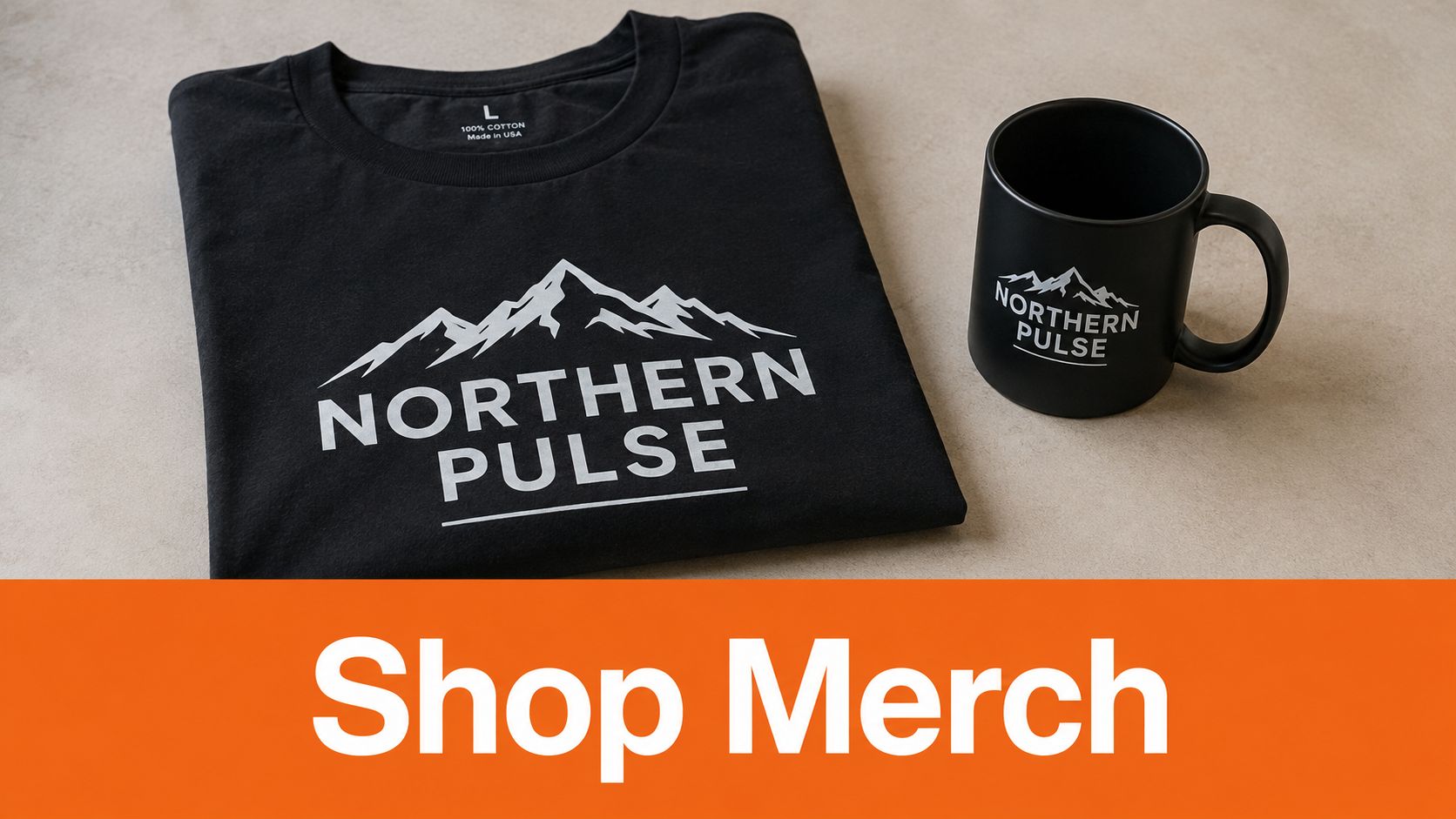
Print-on-demand is the low-risk way to test branded products. You design the item, the platform prints it when someone buys, and you avoid sitting on boxes of unsold inventory. That makes it a nice fit for creators, niche communities, and founders who already have a tribe.
I wouldn't start here without some kind of audience or community. Merch sells best when people already want to signal belonging. A shirt or mug is less about the object and more about identity.
That's why your design has to feel like something you'd wear or use. If you wouldn't buy it, your customer probably won't either. The best merch looks simple, specific, and unmistakably yours.
A smart launch path looks like this:
- Test with a small audience first. Don't guess at demand.
- Use strong mockups. People buy with their eyes before they buy with their wallet.
- Bundle products. Sets can raise order size without making the offer feel heavy.
- Treat merch as community gear. It supports the business, it doesn't need to carry all of it.
If you're building a product brand, I'd also point you to Chicago Brandstarters' sourcing of products guide as you think through how physical goods and brand fit together.
10. Community and Membership Sites
A membership business works when people pay for access, belonging, or ongoing support. That can mean private content, peer connection, live calls, or a trusted room where members know they're with the right people. If you build the right space, recurring revenue can come from depth instead of volume.
The main mistake is going broad too early. Broad communities get noisy. Niche communities get useful. The narrower the member profile, the easier it is to create trust and repeat engagement.
I'd start free, then move to paid only after people show up on their own. That gives you proof that the topic matters and the room feels worth joining. Don't rush the paywall before you've earned the habit.
Keep the promise simple. Maybe your members want accountability. Maybe they want deals, introductions, or direct feedback. Maybe they just want to stop building alone. Pick one reason to join and keep delivering on it.
A strong membership room has a few traits:
- One clear type of person. This keeps the conversation relevant.
- Regular live touchpoints. Calls and events keep momentum alive.
- Selective entry. Culture matters more than headcount.
- A real reason to stay. If nothing happens after signup, churn follows.
This is the model I'd choose if I cared about trust and repeat relationships more than one-time sales. It's steady, it's human, and it can grow around real community instead of fake buzz.
10 Online Business Models Comparison
| Business Model | 🔄 Implementation complexity | ⚡ Resource requirements | 📊 Expected outcomes | 💡 Ideal use cases | ⭐ Key advantages |
|---|---|---|---|---|---|
| E-commerce Brand (Product-Based) | High, product development, sourcing, inventory & logistics | High capital, supplier network, fulfillment and marketing spend | Scalable DTC/marketplace revenue, repeat purchases; potential for millions annually | Entrepreneurs building physical brands or consumer products | Tangible asset, high margins at scale, exit-friendly |
| Digital Products & Courses | Medium, content creation, platform setup and launch marketing | Low cash, high upfront time for creation and production | High-margin sales per unit; passive income after launch with ongoing marketing | Experts or creators able to teach a specific problem/skill | Unlimited distribution, low marginal cost, authority building |
| Content Creation & Monetization (YouTube/Substack/Podcast) | Medium, consistent content production and audience building | Low financial investment, high time/consistency, modest equipment | Slow ramp (6–12+ months); compounding income via ads, sponsors, memberships | Creators focused on niche topics aiming to monetize attention | Low barrier to entry, multiple revenue streams, long-term compounding |
| Freelance Services (Design/Writing/Dev/Marketing) | Low, start immediately; client acquisition and delivery workflows | Minimal capital, high personal time and specialized skill | Immediate income but time-capped; scalable only by delegation/productization | Skilled professionals seeking fast cash flow and portfolio growth | Quick revenue, flexible work, direct client feedback improves skills |
| Affiliate Marketing & Niche Sites | Medium, content + SEO, requires consistent quality and authority | Low hosting costs, moderate content production and SEO effort | Passive organic revenue over time; slow to meaningful income (6–18 months) | Content creators focused on buyer-intent niches and reviews | No product creation, low overhead, compounding SEO traffic |
| SaaS (Software as a Service) | Very high, product development, security, support, and scaling | High development cost, engineering team, ongoing ops and customer success | Predictable recurring revenue, high valuation potential; requires churn management | Technical founders solving repeatable pain points for businesses/users | Recurring high-margin revenue, scalable user-based growth, investor-friendly |
| Coaching & Consulting | Medium, client delivery, credibility building, and program design | Low cash, high credibility/time and bespoke client work | High-ticket, immediate revenue per client; scalable via group programs | Experienced practitioners with proven results wanting to monetize expertise | High perceived value, premium pricing, strong referral potential |
| Drop Servicing | Low–Medium, client acquisition plus freelancer coordination | Low capital, project management time; relationships with reliable freelancers | Variable margins (30–100% markup); scalable with systems and retainers | Operators who can manage projects and vendor relationships | Start without deep skill, low overhead, agency growth path |
| Print-on-Demand & Merch | Low, design, listing, and marketing; fulfillment outsourced | Low capital, design capability or designer costs, marketing spend | Low-to-moderate per-item profits; passive if you have an audience | Creators or brands with an existing audience selling branded goods | Zero inventory risk, easy A/B testing, fast to launch |
| Community & Membership Sites | Medium, platform setup plus ongoing content and moderation | Moderate time for facilitation, platform fees, content/events | Predictable recurring revenue; retention-driven growth; slower scale | Niche leaders building paid groups, cohorts, or exclusive networks | Recurring revenue, deep member loyalty, high LTV if culture is strong |
Your Next Step Is Not Another Article
Reading about ideas is easy. Starting is hard. You do not need another list to feel busy, you need one model, one offer, and one real test with actual people.
If you're in Chicago or the Midwest and you want to build with people who care about doing the work, come around the right room. Chicago Brandstarters is a free, vetted community for kind, bold founders who want honest feedback, real friendships, and practical support while they build. The format is simple, small dinners, direct conversation, and people who'd rather help than posture.
I'd use that kind of room if I were starting again. It keeps you from drifting, and it gives you people who understand the lonely part of building. Pick your model, talk to buyers, and move. That's how this starts.
If you're building one of these online businesses to start and want a room that keeps you honest, visit Chicago Brandstarters. You'll find a free, vetted community built for Chicagoans and Midwestern founders who want practical support, small-group dinners, and real peer feedback. If you want to move from idea to action with people who care about the work, that's the place to begin.
Leave a Reply