Your bookkeeper sends over a PDF called “balance sheet of the company,” and you do what most founders do. You skim it, see a bunch of line items, feel mildly guilty, and go back to marketing, product, or sales.
I get it.
The balance sheet looks like accountant territory. But if you run a brand, especially in ecommerce or product, ignoring it is like driving while only looking at the speedometer. You might know sales are up, but you won't know if you're running out of cash, leaning too hard on debt, or sitting on inventory that's choking the business.
I don't treat the balance sheet as a compliance document. I treat it like a founder dashboard. It tells me what the business owns, what it owes, and what is left for me and any other owners. More important, it helps me make decisions before the pain hits the P&L.
Why Your Balance Sheet Is Not Just for Accountants
The first time most founders open a balance sheet, they see a mess of labels. Cash. Accounts receivable. Accounts payable. Retained earnings. It feels disconnected from real life.
That's a mistake.
Your balance sheet is a snapshot of the business on a specific date. If your income statement tells you how fast the car is going, your balance sheet tells you whether the car has fuel, whether the engine is overheating, and whether you've loaded too much weight into the trunk.
What I look for first
I want three answers fast:
- Do I have enough near-term resources to cover bills coming due soon?
- How much of this business is financed by debt instead of owner capital?
- Where is cash getting stuck in inventory, receivables, or obligations I haven't taken seriously enough?
That's what the balance sheet answers.
Practical rule: If you can't explain your balance sheet in plain English, you're running part of your company blind.
A lot of founders stare at revenue and bank balance only. That's incomplete. You can have strong sales and still get squeezed because customers pay slowly, inventory piles up, or loan payments stack up at the wrong time.
The founder lens
I don't care whether you can recite accounting definitions. I care whether you can use the document to answer real questions like these:
- Hiring: Can you afford another full-time salary without creating a cash crunch?
- Inventory: Are you buying ahead intelligently, or are you parking too much cash on shelves?
- Debt: Should you take the loan, or will it make the business too tight?
If you want a cleaner plain-English primer before going deeper, this Stewart Accounting balance sheet guide is a solid warm-up.
Most founders don't need more jargon. They need a better habit. Read the balance sheet monthly. Ask what changed. Then tie those changes to a business decision.
Assets Liabilities and Equity Explained
Every balance sheet of the company follows one rule: Assets = Liabilities + Equity.
That equation matters because it shows how every business decision gets funded. If you buy more inventory, sign equipment leases, take a loan, or put in your own cash, the balance sheet records the tradeoff immediately. You are always choosing where resources go and who paid for them.
Assets
Assets are resources the business controls.
For an early-stage founder, the big ones are usually:
- Cash: money ready to use
- Accounts receivable: sales you booked but have not collected
- Inventory: products you paid for and still need to sell
- Equipment or property: tools, machinery, furniture, or space-related assets used to run the business
Do not treat all assets as equally useful.
Cash gives you options. Receivables give you a promise. Inventory gives you potential, plus risk. Equipment may help you operate, but it usually does not help you cover payroll next week. That difference matters when you are deciding whether to hire, reorder, or slow spending.
A balance sheet can look healthy on paper while the business is tight in real life. The usual reason is simple. Too much of the asset side is trapped in slow-moving inventory or late customer payments.
Liabilities
Liabilities are obligations the business has to settle.
Typical examples include:
- supplier bills
- credit card balances
- loans
- taxes owed
- customer prepayments for orders you still need to deliver
Liabilities are not the enemy. Bad timing is.
A supplier payable that turns over cleanly can help you preserve cash. A loan used for productive growth can make sense. Trouble starts when short-term obligations pile up faster than cash comes in. That is how founders end up profitable on paper and stressed in the bank account.
Read liabilities with one question in mind: What will demand cash first? That is the hidden risk basic guides skip.
A liability means the business owes cash, work, or both. Put a date on it and it gets real fast.
Equity
Equity is what belongs to the owner after liabilities are covered.
It usually includes founder money, investor money, and profits left in the business. Losses reduce it. Owner draws can reduce it too, depending on how your books are set up.
This line tells you whether the company is building real financial strength or just staying upright with borrowed money. If assets are rising because retained profits are growing, that is healthy. If assets are rising because debt keeps stacking up, you have a financing story, not a strength story.
Founders ignore equity too often because it feels abstract. It is not. Thin equity leaves you with less room for mistakes, less lender confidence, and fewer options when sales wobble.
What founders should do with this
Use the equation to pressure-test decisions before you make them.
If assets are heavy on inventory and liabilities are heavy on supplier bills, do not place a bigger purchase order just because demand feels promising. If receivables are growing faster than cash, tighten payment terms before adding fixed costs. If equity is shrinking, stop calling it a temporary blip and decide whether to cut expenses, raise capital, or fix margins.
If you want another plain-English pass on the equation, this assets liabilities and equity breakdown is useful.
The math always balances. Your choices are what determine whether the business stays flexible or gets cornered.
Reading Your First Balance Sheet Template
Let's make this real.
Below is a simple template for a fictional brand, Chicago Candle Co., one year into business. The point isn't to memorize accounting labels. The point is to read each line and ask, “What decision does this force me to make?”
Chicago Candle Co. balance sheet template
| Assets | Amount | Liabilities & Equity | Amount |
|---|---|---|---|
| Cash | Accounts payable | ||
| Accounts receivable | Small business loan | ||
| Inventory | Founder investment | ||
| Equipment | Retained earnings | ||
| Total assets | Total liabilities and equity |
This is the skeleton. Your software fills in the actual amounts.
How I read the left side
The left side is where I check what the business has on hand.
Cash is the easiest line to understand and the easiest one to misuse. A healthy cash balance feels comforting, but cash alone never tells the whole story.
Accounts receivable means you made the sale but haven't collected the money yet. In wholesale, this can gradually become a problem. Revenue may look fine while cash lags.
Inventory is where many product businesses get themselves in trouble. Founders see inventory as future sales. I also see tied-up cash, storage cost, markdown risk, and possible dead stock.
Equipment matters less day to day for many early-stage brands, but it still tells me how much cash has been locked into longer-term operating assets.
How I read the right side
The right side tells me who has a claim on the business.
Accounts payable means unpaid vendor bills. I want to know whether those payables are normal and controlled, or whether the company is stretching vendors because cash is tight.
Small business loan is straightforward. Debt can fund growth, but it also narrows your margin for error.
Founder investment shows owner money put into the business. Retained earnings show profits kept inside the company instead of distributed out.
If the right side keeps growing because debt is growing faster than owner value, I stop calling that momentum.
What this template helps you see
A balance sheet template is useful because it turns accounting into a pattern-recognition exercise:
- Rising receivables can mean collections are slipping
- Growing inventory can mean your forecast is off
- Higher payables can mean supplier pressure is building
- Thin retained earnings can mean the business hasn't built much cushion yet
If you want a basic companion guide, Chicago Brandstarters has a plain-English article on how to read a balance sheet.
And if your records are messy, the problem may start upstream. Clean bookkeeping depends on clean systems. This overview of general ledger software for finance professionals is worth scanning if your numbers feel harder to trust than they should.
Key Balance Sheet Ratios for Early-Stage Brands
You're about to hire a coordinator, place a bigger PO, and maybe add a credit line. Before you do any of that, check three balance sheet ratios. They won't run the business for you, but they will stop you from making an expensive decision with false confidence.
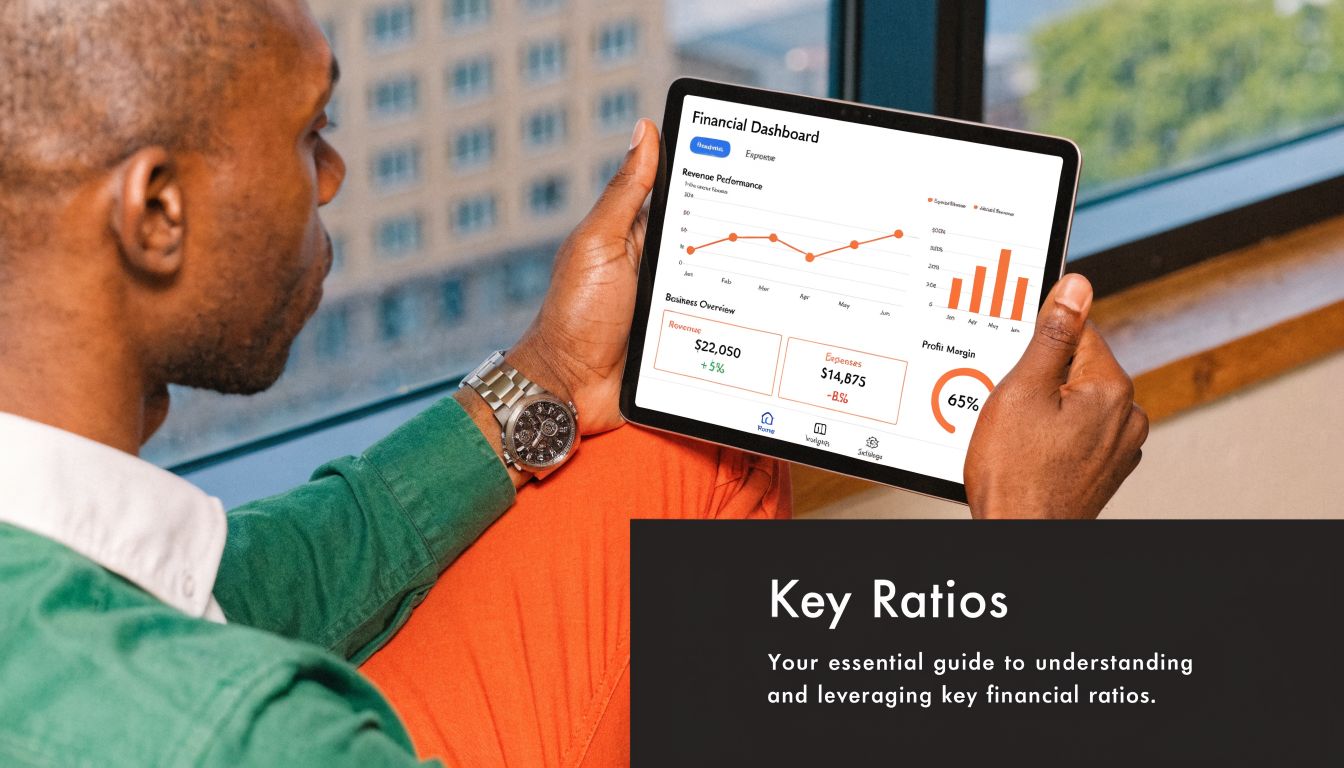
The first ratio I look at is current ratio. Charles Schwab explains it as current assets divided by current liabilities and notes that a range around 1.5 to 2 is often viewed as healthy, while a figure below 1 can signal trouble covering near-term obligations in its guide to the three financial statements.
Current ratio
This ratio answers one practical question.
Can the business handle the next few months without scrambling for cash?
- Current ratio = current assets / current liabilities
Coursera also describes the current ratio as a common solvency measure in its article on how to analyze a balance sheet.
Here's why founders should care. A decent current ratio gives you room to buy inventory, cover payroll, and pay vendors on time. A weak one means every growth move gets riskier. You may still choose to hire or stock up, but now you know you're doing it with a tighter margin for error.
Quick ratio
The quick ratio is harsher, and that's why I like it. It removes inventory and looks at the assets you can turn into cash fast.
That matters for early-stage brands because inventory can flatter your balance sheet while hurting your cash position. If your current ratio looks fine but your quick ratio is thin, your cushion may be sitting in boxes, not in the bank. That is a warning sign if you are considering a new hire, a wholesale push, or longer payment terms for customers.
Debt-to-assets
This ratio shows how much of what the business owns is financed by debt.
I use it to judge flexibility. If debt keeps climbing relative to assets, the business has less room to absorb a bad quarter, a delayed shipment, or a product miss. Debt is useful when it funds inventory that sells quickly or equipment that improves output. Debt is dangerous when it props up losses or covers sloppy planning.
A rising debt-to-assets ratio should make you tougher on the next borrowing decision. Ask one blunt question. Will this debt create cash soon, or just buy time?
Good ratios do one job well. They force a founder to face the real tradeoff before making the next move.
How I use ratios in a brand business
I tie each ratio to a founder decision:
- Current ratio slipping: pause discretionary hiring, protect cash, and tighten purchasing
- Quick ratio weak: treat inventory as a risk, not a safety net
- Debt-to-assets rising: be much more careful about loans, revenue-based financing, and supplier credit
If inventory makes up a big share of current assets, learn the inventory turnover formula for ecommerce and retail brands. Otherwise, you can talk yourself into feeling liquid when your cash is trapped in slow-moving stock.
Common Balance Sheet Mistakes Founders Make
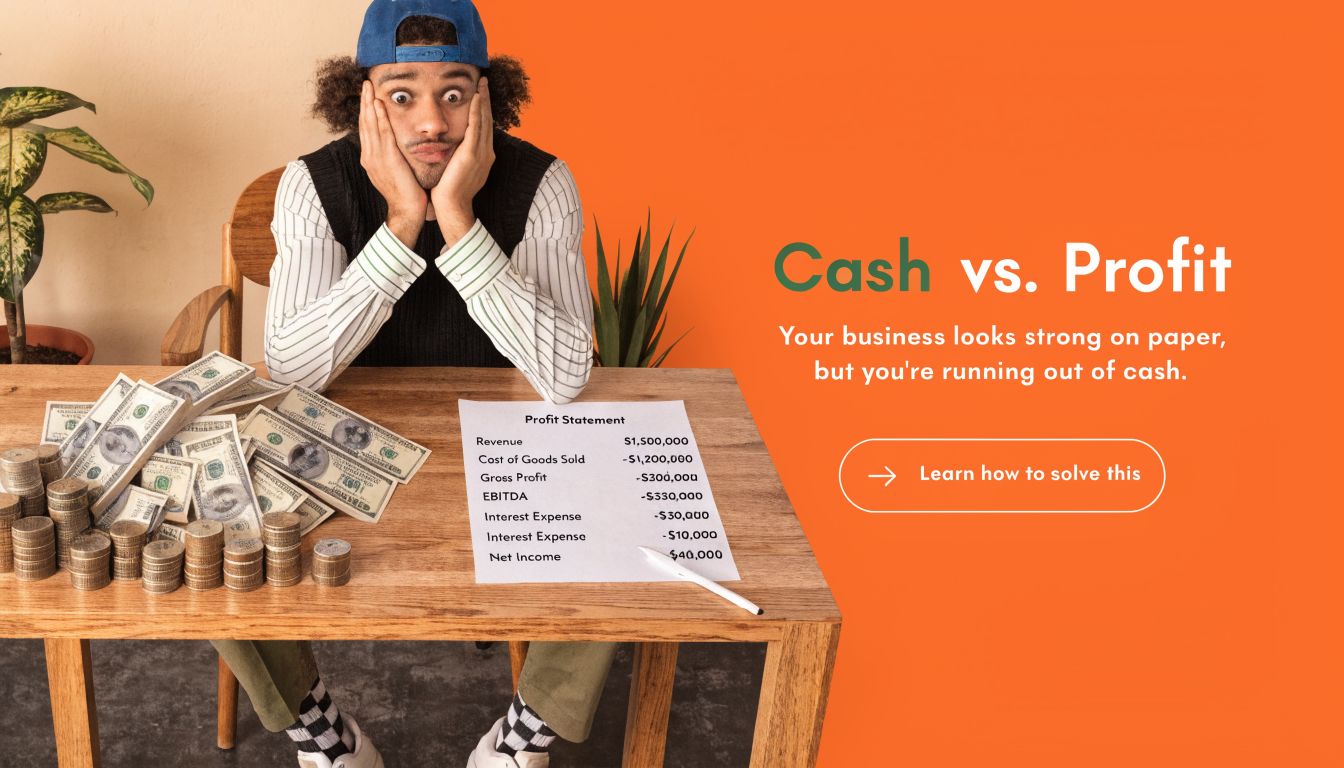
The most common founder mistake is simple. They see cash in the bank and assume the business is healthy.
That's lazy thinking.
Mistaking cash for profit
If you sell subscriptions, take preorders, or collect annual plans upfront, cash may arrive before you've earned it. The problem is that founders love the cash and ignore the obligation attached to it.
Unearned revenue is a liability, not revenue, because the company still owes goods or services, as explained in this guide to unearned revenue. That's especially relevant for subscription and ecommerce businesses, where cash can rise before revenue is earned.
So when I see a fat cash balance and growing unearned revenue, I don't celebrate yet. I ask whether the company can still deliver the product, absorb returns, handle service costs, and keep margins intact.
Ignoring hidden obligations
Basic explainers stop at assets, liabilities, and equity. Real risk often lives in the notes.
AccountingCoach points out that balance sheets are a snapshot and that users should study the notes to financial statements for a fuller view in its explanation of balance sheet reporting and notes. That's where you may find contingent liabilities, lease commitments, pension gaps, or other obligations that change the underlying financial position.
Founders miss this because the headline balance sheet feels neat. The business usually isn't.
Here's a short explainer if you want a second voice on the trap:
Treating inventory like guaranteed value
Inventory is only valuable if it sells at a decent margin in a reasonable timeframe. Slow-moving inventory is cash wearing a costume.
I've seen founders reorder because sales were hot last quarter, then sit on too much stock when demand cools. The balance sheet still says “inventory.” The founder eventually learns that inventory can turn into discounting, storage costs, and a cash squeeze.
Forgetting personal exposure
A clean company balance sheet does not always mean the founder is personally protected. If you signed a personal guarantee on a loan or a lease, the risk isn't fully contained inside the company.
Read the agreements, not just the summary numbers.
The balance sheet can look tidy while the founder is carrying risk that never feels tidy at all.
Using Your Balance Sheet to Make Smart Decisions
The balance sheet matters because it changes what you do next.
I don't want founders checking it out of guilt. I want them checking it because it helps them move faster without stepping on landmines. The most useful approach is trend and benchmark analysis. Siegel Solutions notes that tracking things like days in receivables and inventory turnover over time helps founders see whether capital is trapped in working capital or getting converted into sales efficiently in its article on unlocking financial insights through balance sheet analysis.
The monthly decision checklist
When I review a balance sheet of the company, I ask:
- Inventory is climbing. Are we buying too aggressively? Should we slow POs until sell-through improves?
- Receivables are growing. Are customers paying later? Do we need tighter terms or stronger collections?
- Payables are swelling. Are we using vendors as a bank because cash is tight?
- Debt is rising. Should we delay equipment, hiring, or expansion until the business has more cushion?
- Cash is up but deferred obligations are up too. Are we mistaking advance customer cash for real breathing room?
The founder move that matters most
Don't read one period in isolation. Compare month over month. Compare quarter over quarter. Compare yourself against what is normal in your category.
That's how you catch stress early. Not when the income statement finally looks ugly. Earlier, when working capital starts behaving strangely.
If you want a place to pressure-test those decisions with other operators, Chicago Brandstarters also has a practical resource on cash flow management for small business. Read that alongside your balance sheet, because the two together tell a much more honest story than revenue ever will.
A founder who reads the balance sheet well usually makes calmer decisions. Better inventory calls. Better hiring timing. Better borrowing choices. Less hope-based planning.
That's the actual payoff.
If you're building a brand in Chicago or the Midwest and want honest operator conversations about stuff like hiring timing, inventory risk, debt pressure, and financial decision-making, Chicago Brandstarters is a free community of vetted founders who meet in small private dinners and stay connected in an active group chat. It's built for kind, hard-working people who want practical feedback, not performative networking.
Leave a Reply