You pay for ads. You get orders. Then you check last month's buyers and you see a quiet list. Most names show up once.
I know that sting. You did the hard part. You got a stranger to trust you with a card number. Then you watch that trust expire because you sent nothing useful after delivery, or you sent a generic sale email three weeks too late.
Bluecore's 2025 Customer Growth Benchmarks, covering more than 100 retailers, reported that the average retailer retained 27.4% of its previous year's buyers in 2024, as summarized in RetentionEdge's customer retention statistics roundup. That means 72.6% didn't buy again in that period. You don't fix that with more ad spend. You fix it by earning order two.
I ranked these 10 ecommerce retention strategies from fastest payoff to more setup. Each one gives you one metric to track and one common failure point. Pick the gap you have. Fix that first. If you run a Shopify store, a retention guide for Shopify brands gives you a useful extra checklist while you work.
1. Points-Based Loyalty Program
Think of points as a coffee punch card. Each order fills a box. You give customers a reason to finish the card with you instead of a competitor.
Starbucks Rewards, launched in 2008 as My Starbucks Rewards, gives members stars for purchases and lets them trade stars for free drinks and food. Sephora Beauty Insider uses points and free samples to pull beauty buyers back. You can copy the shape at a much smaller scale.
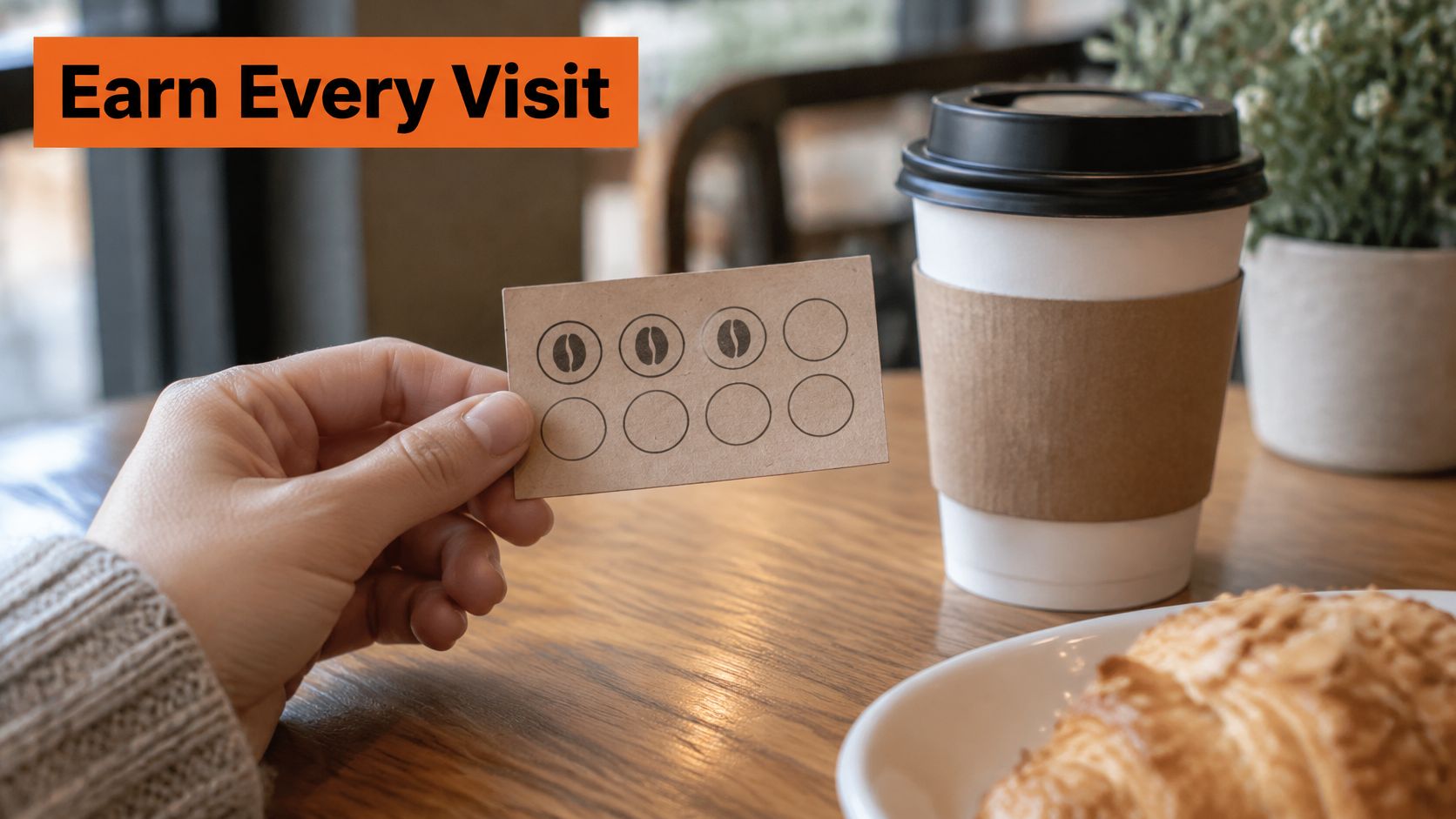
I recommend you set the first reward within a few purchases. You show the balance at checkout and in the account page. You also reward reviews and referrals, with caps, so people can't farm points without buying.
Expiration needs care. A peer-reviewed study in Marketing Letters on loyalty point expiration found finite expiration increased purchases for customers who could adapt their behavior to the deadline, and usage level and multi-store shopping predicted that flexibility. I read that as a warning. A short deadline pushes frequent buyers. It punishes occasional buyers.
If you want a simple starting structure, use our loyalty program design guide and keep your earn rate boring and clear.
Metric to track: Repeat purchase rate for members versus non-members in the same cohort.
Common failure point: You set the first reward so far away that nobody feels progress. Say a candle buyer needs eight orders for a free candle. She'll forget you by order two.
2. Tiered VIP Membership
You split buyers into levels. You give your best buyers faster shipping, early access, or products nobody else can buy yet. I think of it as a gym with a better locker room. People work to get in. Then they work to stay in.
Amazon Prime, launched in 2005, charges for membership and bundles shipping with streaming and other benefits. Sephora Beauty Insider uses tiers that offer more rewards as spending rises. You don't need a paid tier on day one. You need a visible ladder.
Start with two tiers. You add a third only after you learn what people want. Give your top tier something money can't buy in your store, such as first access to a small batch or a handwritten thank-you note with a real name on it.
How I Would Launch Yours
- Name the gap: Show each customer exactly how much she needs for the next tier at checkout and in her account.
- Protect the top tier: Give top buyers early access before you give them bigger discounts, so you protect margin.
- Review movement monthly: Count who moved up, who slipped down, and who bought right after a tier warning.
Say you sell running gear. Your second tier gets early access to limited shoe colors. That perk costs you almost nothing. It gives a frequent runner a strong reason to stay.
Metric to track: Share of customers who move from tier one to tier two within 12 months.
Common failure point: You build four tiers with tiny differences. Customers can't explain your program to a friend, so they ignore it.
3. Subscription Replenishment
You sell something people use up. Pet food runs out. Razors dull. Supplements empty. A subscription removes the reorder decision from your customer's busy week.
Dollar Shave Club built its early business on monthly razor deliveries after launching in 2012. Chewy Autoship sends pet food and supplies on a schedule with a discount. Both models work because the product has a natural rhythm.
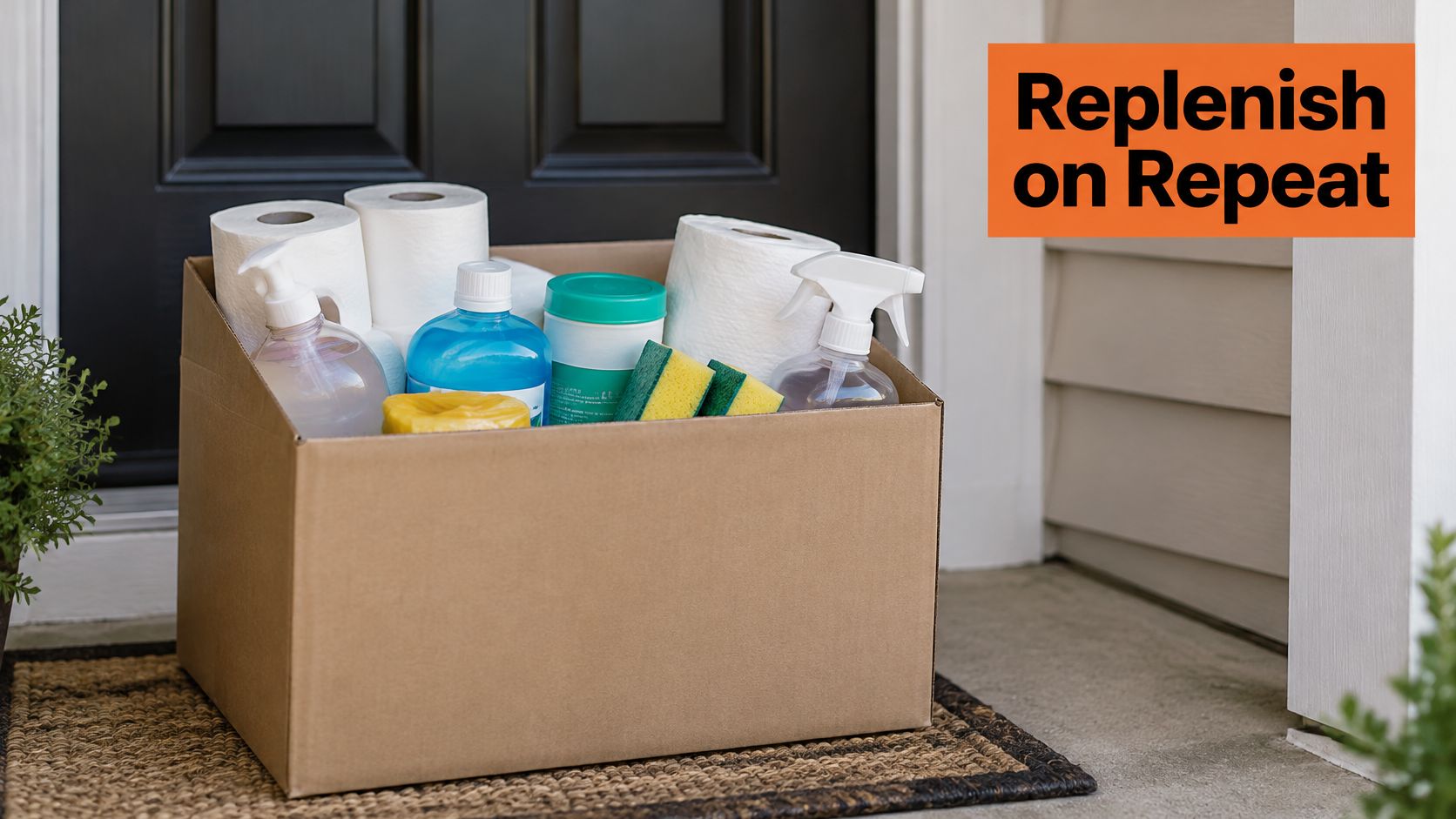
I urge you to make skipping easy. A customer who skips a month still belongs to you. A customer who cancels because you trapped her does not. Send a reminder before each charge. Let her swap a flavor, delay a box, or change quantity in two clicks.
Offer a small subscribe discount. You protect margin and you avoid training buyers to expect a large cut forever. Say you sell coffee. You suggest a delivery every three weeks based on bag size, then you let the buyer adjust after the first box.
Metric to track: Average number of paid shipments before a subscriber cancels.
Common failure point: You hide the cancel button and you surprise people with charges. You might keep one extra shipment. You'll lose trust and referrals, and you'll earn chargebacks and angry emails.
4. Post-Purchase Onboarding Emails
A first order creates a question in your buyer's head. Did I choose well? Your onboarding emails answer yes, and you prove it with help.
Send the first email within 24 hours of delivery. Teach one thing. A skincare brand sends a routine guide three days after delivery. A coffee roaster sends brewing steps and storage advice. Each email has one idea and one clear action.
You have a narrow window. One analysis of more than 156,000 direct-to-consumer customers found an average repeat purchase rate of 18.8%, according to Shopify Enterprise's ecommerce customer retention guide. That means roughly 81% never placed a second order. I treat first-to-second-order conversion as its own job, separate from annual retention.
A Simple Three-Email Flow
- Day of delivery: You confirm setup, care, or first use.
- A few days later: You solve the most common beginner mistake.
- Near expected run-out: You remind the buyer to reorder and you link straight to the same product.
Ask for a review only after the customer has used the product. And keep channel consent separate. A buyer who accepts order updates hasn't agreed to promotional texts.
Metric to track: First-to-second-order conversion within your normal repurchase window.
Common failure point: You pitch a discount in email one. You teach the buyer to wait for sales instead of teaching her to love the product she just bought.
5. Win-Back Campaigns
You lose touch with an old friend. You don't open with a coupon. You open with news and a real question.
Pick an inactivity window that fits your product. Test 60 days against 90 days. Segment lapsed buyers by what they bought last, so your message feels personal. An apparel brand sends a new-arrivals preview to customers inactive for 90 days. A subscription box invites former members back with a free month. Both work better when you show change first.
I like a three-step sequence. You lead with new products or a fix you made. You ask one question about why the customer left. You save the incentive for the last message, and you keep it modest. Teams that work on larger accounts use similar pacing in retention email strategies for B2B accounts, and the logic transfers well to a small store.
Act on the replies. If ten people say your sizing runs small, you fix the size chart before you send more win-back emails. Otherwise you pay to bring people back to the same problem.
Lead with what changed. Use a discount only after you give a lapsed buyer a fresh reason to care.
Metric to track: Reactivation rate, meaning lapsed customers who order within 30 days of your campaign.
Common failure point: You wait too long and then blast everyone with the same discount. You get a few cheap orders and a pile of unsubscribes.
6. Fast, Generous Customer Service and Returns
A return feels like a loss. I treat it as a second chance to earn order two. Most playbooks stop at checkout. Your buyer judges you after something goes wrong.
Zappos built its name under former CEO Tony Hsieh with free returns and phone staff who could solve problems fast. Warby Parker gives shoppers free home try-on and easy returns for eyewear. Both brands remove fear before purchase and friction after purchase.

DHL reports 92% of global shoppers return up to 30% of their online purchases and 79% may abandon a cart when their preferred returns option is unavailable in its 2025 E-Commerce Trends Report. You can't wish returns away.
Segment returns by reason. Offer an exchange for a sizing miss, a replacement for a defect, and store credit when it fits. Keep refunds simple for real dissatisfaction. Give frontline staff a set refund limit so they act without waiting for you. Then track which products drive returns and fix the root cause. For service basics, see our ecommerce customer service guide.
Metric to track: Retained gross margin 30, 60, and 90 days after a return, split by return reason.
Common failure point: You use a strict refund-first policy to cut short-term cost. You solve the ticket and lose the customer.
7. Community and Peer Groups
People stay for people. A product gives a customer a reason to buy once. A group gives her a reason to return every week.
Peloton built loyalty with live classes and leaderboards that turn solo workouts into a shared ritual. Lululemon run clubs bring local customers together for free weekly group runs at stores. Members trade tips, answer questions, and form friendships. Your brand hosts the room.
This short video shows how a simple community habit can support retention work.
Start with one channel and one regular event. A monthly live Q&A beats five dead channels. Let members lead some threads. Set clear rules on day one and remove spam fast, so trust stays intact.
Say you sell sourdough starter kits. You run a Friday bake-along in one private group. Members post crumb photos and troubleshoot flat loaves. You show up, you answer hard questions, and you let experienced bakers shine.
Metric to track: Repeat purchase rate for active community members versus buyers who never join.
Common failure point: You turn the group into an ad feed. Members came for each other. If you pitch in every post, they'll mute you and leave.
8. Referral Rewards
A friend's word beats your ad. Referrals turn a happy buyer into a sales channel, and the new buyer arrives with trust already in place.
Dropbox used a storage-based referral reward in 2008 and gave extra free storage to both people when a friend signed up. Chewy gives referral credits that reward existing customers for bringing in friends. You should reward both sides, and you should pay only after the new customer's first purchase.
Caps keep your program honest. One program described by BLKDG's ecommerce loyalty program guide gives 25 points per product review but limits customers to 10 rewarded reviews, and another caps all non-purchase earning at 100 points per calendar year, with referrals at 25 points limited to four annually. I like that pattern. You reward actions that lead to orders. You stop point farming.
Ask at the right moment. Right after a smooth delivery or a positive review works well. Give credit or a free product your customer wants. If you need a build sequence, use our referral program guide.
Metric to track: Share of referred customers who place a second order.
Common failure point: You reward signups instead of purchases. You pay for empty accounts and you learn nothing about real demand.
9. Personalized Product Recommendations
A good recommendation feels like help from a friend who knows your taste. A bad one feels like a stranger shouting random products at you. The difference is relevance.
Amazon uses "customers who bought this also bought" and "frequently bought together" modules on product pages. Stitch Fix uses customer preferences to let stylists pick clothing for each box. You can start with simple rules based on past orders before you buy any complex tool.

Buyers notice relevance. A 2024 survey conducted by Coleman Parkes for Mollie questioned 10,000 online consumers across five European markets and found 57% cited personalization as a factor influencing whether they buy again, according to Mollie's repeat purchase guide. I take that as permission to be useful, not permission to collect everything.
Ask customers for preferences directly. Use purchase history, recent views, and replenishment timing. Suppress products they just bought and items you can't ship. Test your module against a control group so you measure real lift.
Guardrails I Use
- Explain the trade: Tell customers why you ask for a preference and how you'll use it.
- Offer control: Give people a preference center and a clear opt-out.
- Watch trust signals: Track unsubscribes and complaints alongside repeat orders.
Metric to track: Repeat purchase rate for customers who see recommendations versus your control group.
Common failure point: You recommend whatever has high margin instead of what fits the buyer's last order. You get clicks once. You lose trust fast.
10. Customer Feedback Loops
You ask. You listen. You act. Then you tell customers what you changed. That last step turns a survey into loyalty.
Starbucks launched My Starbucks Idea in 2008, a public site where customers suggested and voted on changes. Patagonia uses product feedback and repair programs to shape how it designs gear. Both brands show customers proof that their words matter.
Keep surveys short. I cap mine at three questions. Ask what almost stopped the purchase, what surprised the buyer after delivery, and what she wishes you sold. Thank people who give blunt criticism. They hand you your product road map for free.
Close the loop in public and in private. Email the person who suggested a change when you ship it. Post a short note on the product page that names the fix. If you need a structure, design a customer feedback loop before you send your next survey.
Say buyers keep asking for a fragrance-free version of your lotion. You make a small batch, you email the requesters first, and you give them early access. They feel heard because they were heard.
Metric to track: Repeat purchase rate among customers who receive a closed-loop reply after giving feedback.
Common failure point: You collect feedback and go silent. Customers learn that you ask for show, and they stop answering and stop buying.
How the 10 ecommerce retention strategies compare
| Item | Best For | Main Metric to Track | Biggest Risk |
|---|---|---|---|
| Points-Based Loyalty Program | Encouraging repeat purchases | Repeat purchase rate | Rewards eroding margins or training customers to wait for discounts |
| Tiered VIP Membership | Increasing spending among loyal customers | Tier progression rate | Lower tiers feeling neglected |
| Subscription Replenishment | Products customers use regularly | Subscription retention rate | Frustrated cancellations from forgotten or inflexible deliveries |
| Post-Purchase Onboarding Emails | Helping first-time buyers get value | Repeat purchase rate | Too many emails causing unsubscribes |
| Win-Back Campaigns | Re-engaging lapsed customers | Reactivation rate | Discounts conditioning customers to wait for deals |
| Fast, Generous Customer Service and Returns | Building trust and resolving purchase problems | Resolution time | High service and return costs |
| Community and Peer Groups | Connecting customers around shared interests | Community engagement | Poor moderation damaging trust |
| Referral Rewards | Acquiring new customers through recommendations | Referral conversion rate | Incentives attracting reward-seekers rather than loyal buyers |
| Personalized Product Recommendations | Helping customers discover relevant products | Recommendation conversion rate | Irrelevant suggestions or privacy concerns |
| Customer Feedback Loops | Improving products and showing customers they are heard | Feedback-to-action rate | Asking for input without acting on it |
Pick One Gap and Track It for 30 Days
You don't need all ten tactics this month. You need one clear gap, one fix, and 30 days of honest measurement. Slow second orders point you to onboarding. Painful returns point you to service and exchanges. Quiet repeat buyers point you to personalization or a win-back flow.
Benchmark yourself against your category, not a universal average. A benchmark analysis of more than 100 retailers reported consumables commonly achieve 22–44% repeat purchase within a year, fashion 10–17%, and durable or general retail 7–18%, as summarized in Shopify's average customer retention rate by industry guide. A candle brand and a sofa brand shouldn't chase the same window.
Build a small cohort dashboard. Split first-to-second-order conversion, 12-month retention, acquisition source, and gross margin. Track customer retention and revenue retention separately. A small group of heavy buyers can lift revenue while your customer count shrinks, and that hides trouble.
Trust holds the whole system together. A 2025 empirical study of AI-driven ecommerce found trust strongly influenced satisfaction with β = 0.721 and also influenced loyalty with β = 0.191, reported in a Springer study on AI-driven ecommerce, trust, and loyalty. I read that in plain terms. You keep promises on delivery, returns, and data use, and customers give you another order.
Privacy belongs in that promise. PwC's 2025 survey found 53% of consumers consider sharing personal information worthwhile when it makes interactions smoother, yet 93% say mishandling that data would cause them to lose trust, according to PwC's 2025 Customer Experience Survey. Ask only for data that gives the customer an obvious benefit. Show your consent wording, store the timestamp and source, and keep email and SMS permission separate.
Channel rules force that discipline. For US commercial email, CAN-SPAM doesn't require prior consent but each message must provide an unsubscribe mechanism, while US autodialed marketing texts require prior express written consent under TCPA rules, as explained in Tagada's opt-in forms guide. In the EU, GDPR requires consent to be an active, specific, informed, and provable choice. Build that record now, while your list is small.
Pick your tactic today. Write down your baseline metric. Ship the smallest version this week. Check the same metric after 30 days, then decide if you scale it, fix it, or drop it. Our community helps members grow from $0 up to 7-figures, and members who have made early-stage mistakes share those lessons openly, so you can compare your retention numbers with founders who face the same gap.
If you're building an ecommerce brand in Chicago or the Midwest and you want peers who'll pressure-test your retention plan, Chicago Brandstarters gives you a free, vetted group chat and small private dinners with kind, hard-working founders. Bring your one metric, share what's working and what isn't, and leave with a clearer next test to run.
Leave a Reply