
Author: Kevin Tao

  • 10 Powerful Positioning Brand Examples to Inspire You in 2025

    10 Powerful Positioning Brand Examples to Inspire You in 2025

    Brand positioning can feel fuzzy until you see it work. Think of it as your brand's unique role in a crowded story—the one part no one else can play. It’s not just a logo. It's the core reason a specific group of people chooses you over everyone else, every single time. Get this right, and marketing feels less like shouting and more like a quiet conversation that pulls people in. Get it wrong, and you're just more noise.

    This article cuts through the theory. We’re breaking down 10 real-world positioning brand examples to show you how great brands carve out their own space. You won’t find generic success stories here. Instead, you'll get a clear look at the specific choices that separate iconic brands from forgotten ones.

    We’ll explore everything from community-based models to positioning based on hometown pride. You'll see how each brand clearly defines who it's for, what makes it different, and what it promises. Most importantly, you'll walk away with simple templates and clear ideas to define your own brand’s unforgettable role. Let's begin.

    1. Premium Community-Based Positioning

    This strategy flips the "open to all" model on its head. Instead of chasing scale, it focuses on building a high-value, exclusive community. Think of it less like a public park and more like a private club where membership is earned, not just bought. It uses careful vetting to create a trusted space, positioning the brand as a curated circle rather than a transactional marketplace. This attracts members who value belonging and shared standards over mass access.

    Group of people enjoying a private meal at a long wooden table with an 'Invitation Only' sign.

    Why This Positioning Brand Example Works

    This strategy builds powerful brand equity through scarcity and trust. By being selective, the value of being "in" goes way up. Members feel a sense of pride and safety, leading to deeper engagement. Brands like Soho House, Y Combinator's network, and Chicago Brandstarters use this to create a powerful flywheel. High-quality members attract more high-quality members, reinforcing the brand’s premium status.

    How to Apply This Strategy

    • Set Clear Vetting Rules: Define your membership qualifications. Is it a specific job, a shared mindset, or a "give-first" attitude? Be transparent.
    • Create Community Rituals: Host recurring events like member-only dinners or private chats to strengthen bonds.
    • Share Member Stories: Use testimonials to show the community's value and justify its selective nature.
    • Balance Exclusivity and Fairness: Make sure your vetting process doesn't accidentally shut out great people from diverse backgrounds.

    2. Values-Aligned Positioning

    This approach builds a brand around a core set of beliefs, not just product features. You're selling why you do what you do. Think of it as planting a flag; it attracts people who believe what you believe, creating an audience filtered by a shared worldview. This moves beyond simple transactions to build deep, emotional loyalty.

    Three diverse professionals smiling, a man and woman shaking hands, with a "SHARED VALUES" logo.

    Why This Positioning Brand Example Works

    This strategy unites customers under a shared mission. It fosters a resilient community that sticks with the brand through thick and thin because their loyalty is tied to their identity, not just a product's function. Brands like Patagonia (environmentalism) and TOMS Shoes (social impact) use their values as their main differentiator. This makes competing on price almost irrelevant.

    How to Apply This Strategy

    • Define Your Values Simply: Don't just say "integrity." Say, "We do the right thing, even when no one is watching."
    • Live Your Values: Weave your principles into everything, from hiring and marketing to customer service.
    • Tell Your Story: Share personal stories that show why these values matter to you. Authenticity is everything.
    • Be Clear About What You're Not: Kindly state the mindsets that don’t fit your community. This reinforces the safety of your space.

    3. Anti-Transactional Networking Positioning

    This strategy directly opposes the shallow, "what can you do for me" vibe of typical business events. Instead of optimizing for LinkedIn connections, it builds a brand around depth and real relationships. It’s the difference between collecting business cards at a chaotic mixer and sharing honest struggles in a confidential peer group. This attracts leaders who are tired of fake networking and crave authentic human connection.

    Why This Positioning Brand Example Works

    This strategy thrives by solving a deep pain for many entrepreneurs: loneliness. By creating a safe space for vulnerability, brands like Chicago Brandstarters and Vistage build intense loyalty. The value isn't a quick transaction but long-term support from trusted relationships. This model filters for members who are serious about growth, not just short-term gains.

    How to Apply This Strategy

    • State What You're Not: Market your brand by saying "no pitch sessions" or "no business card swapping." This attracts the right people.
    • Make Confidentiality Your Bedrock: Trust is your core product. Use strict confidentiality rules to create a "safe space."
    • Tell Vulnerable Stories: Share authentic "war stories" in your marketing. This shows that your community values honesty over posturing.
    • Ask for Commitment: Require a real time commitment to filter for members who are truly invested in building relationships. This is key when learning how to find business partners.

    4. Geographic/Cultural Pride Positioning

    This approach anchors a brand in a specific place and its values. Instead of being a generic company, the brand becomes a champion for a local identity. It's the difference between a faceless corporation and the neighborhood shop that knows your name. This strategy creates an "us against the world" feeling, appealing to people who are proud of where they come from.

    Why This Positioning Brand Example Works

    This approach builds a deeply loyal tribe by tapping into existing pride. It gives people a reason to choose you that goes beyond product features; they're supporting their community. A brand like Chicago Brandstarters uses the "Midwest kindness" ethos to stand out from cutthroat coastal startup scenes. This positioning attracts people who share those values and fosters a culture of genuine support.

    How to Apply This Strategy

    • Define Your Regional DNA: What cultural traits do you embody? Is it Chicago's grit, Austin's weirdness, or Portland's indie spirit?
    • Tell Local Stories: Feature founders from your area who exemplify the values you're promoting.
    • Use Local Language: Weave regional references and landmarks into your messaging to create an authentic sense of place.
    • Champion Local First: Actively support and collaborate with other local businesses. This is a key step when building a business from the ground up.

    5. Stage-Specific Positioning

    This strategy tailors a brand’s offer to customers at a specific point in their journey. Instead of a one-size-fits-all solution, it creates a focused experience for a certain segment, like an idea-stage founder or a business scaling past $1M. It’s like a specialized training program; you wouldn't give a marathon runner the same advice as someone just starting a couch-to-5k plan. This ensures your advice and resources are perfectly aligned with their needs.

    Why This Positioning Brand Example Works

    This approach works because it solves urgent, specific problems. When a brand speaks directly to a founder’s current challenges, it builds immediate trust. This focus makes marketing more efficient and the product more effective. Brands like Y Combinator (early-stage) and Chicago Brandstarters (idea-to-seven-figures) use this to make members feel understood, which dramatically increases loyalty.

    How to Apply This Strategy

    • Define Clear Stages: Map out the customer journey. What revenue, team size, or milestone marks a transition?
    • Create Stage-Specific Content: Develop resources and workshops that address the unique pain points of each stage. Avoid generic advice.
    • Build Relevant Peer Groups: Connect users with others at the exact same stage. A founder struggling with their first hire gets more value from peers facing the same challenge.
    • Celebrate Progress: Acknowledge when members move from one stage to the next. This reinforces the value of your pathway.

    6. Operator/Practitioner Credibility Positioning

    This strategy builds trust by proving you’re still "in the trenches," not just teaching theory. It’s based on the idea that the best advice comes from those who are actively doing the work. Instead of academic theories, this approach uses real-world experience, failures, and current market involvement as its currency. It positions the brand as a guide who knows the terrain because they walk it daily.

    Why This Positioning Brand Example Works

    This approach cuts through the noise of business gurus. It builds huge credibility because the advice is proven, not just plausible. Founders are drawn to leaders who share fresh "war stories" and specific tactics, not recycled frameworks from a textbook. Brands like Chicago Brandstarters, where the founder is an active operator, or individuals like Alex Hormozi build devoted followings because their expertise is validated by their own ventures.

    How to Apply This Strategy

    • Share Your Work: Regularly document your own business challenges and wins on social media to prove you're active.
    • Use Specific Language: Instead of saying "improve your marketing," share the exact ad copy or email sequence you used.
    • Reference Current Projects: Frame your advice around what you are doing right now. This makes your guidance feel urgent.
    • Admit What You Don't Know: This reinforces your credibility in the areas where you do have deep, hands-on expertise.

    7. Vulnerability-First Positioning

    This strategy flips the script on the "always crushing it" narrative. Instead of showcasing only wins, it creates a space for honest struggle, failure, and open conversations about challenges. It positions the brand as a refuge from fake corporate culture, attracting an audience that craves real connection. This approach builds deep trust by making it safe to be human.

    Three women in a cozy room, two engaged in a conversation, with 'Vulnerability First' overlay.

    Why This Positioning Brand Example Works

    This strategy creates powerful psychological safety—the secret ingredient for deep connection. When people feel safe enough to share setbacks without judgment, they form strong bonds with the brand. It’s a huge differentiator in a world obsessed with perfection. Brands like Brené Brown's Dare to Lead program prove that vulnerability is a strength. It attracts a dedicated audience tired of superficial interactions.

    How to Apply This Strategy

    • Lead with Vulnerability: As a founder, openly share your own struggles and mistakes. This sets the tone for the community.
    • Establish Group Norms: Create explicit rules around confidentiality and non-judgment. Make it clear that "what's shared here, stays here."
    • Use Skilled Facilitators: Ensure moderators are trained to maintain psychological safety and guide conversations with kindness.
    • Create Vulnerability Rituals: Start meetings with prompts that encourage sharing, like "What was a challenge this week?" instead of just "What was a win?"

    8. Peer Mentorship vs. Expert-Led Positioning

    This positioning strategy challenges the traditional “guru” model. Instead, it positions the collective wisdom of the group as the main asset. Think of it less like a lecture hall with one professor and more like a workshop where everyone is both a teacher and a student. This approach positions the brand as a facilitator of peer connection, not a single source of truth.

    Why This Positioning Brand Example Works

    This model builds trust by delivering advice that is grounded in shared, recent experience. Members get practical insights from peers who are facing similar challenges right now. This creates a highly supportive environment. Brands like Chicago Brandstarters and Vistage use this to foster deep bonds and a sense of mutual ownership over the group's success.

    How to Apply This Strategy

    • Be a Facilitator, Not a Guru: Your job is to create the space for valuable peer interactions to happen.
    • Structure Peer Teaching: Use formats like member-led workshops, "hot seats," or accountability pods.
    • Connect Peers Strategically: Actively introduce members who have complementary expertise or face similar challenges.
    • Highlight Peer-to-Peer Wins: Share stories of members helping each other. This reinforces the idea that "the group is the guru."

    9. Kindness-Filtered Selection Positioning

    This strategy makes "being a good person" a non-negotiable entry requirement. Instead of screening for status, it filters for character—specifically kindness and a "give-first" mentality. Think of it like building a team for a long journey; you don't just want skilled people, you want the ones who will pass you their water bottle. This approach intentionally rejects transactional self-promoters and builds a culture of mutual support.

    Why This Positioning Brand Example Works

    This strategy builds a powerful, self-policing culture of trust. By explicitly filtering for kindness, the brand attracts people tired of ego-driven, competitive environments. This creates a virtuous cycle where supportive members attract more supportive members. Brands like Chicago Brandstarters use this to create an alternative to cutthroat networking. It proves that being kind isn't just nice; it's a competitive advantage.

    How to Apply This Strategy

    • Define Kindness Clearly: State what "kindness" looks like in your community. Is it mentoring others? Making helpful introductions with no strings attached?
    • Ask Revealing Questions: In applications, ask things like, "Tell me about a time you helped a colleague when you got no credit for it."
    • Check References for Collaboration: Ask references specifically about the applicant's reputation as a teammate.
    • Enforce Your Norms: Create clear community guidelines around kind behavior and have a process for addressing actions that violate them.

    10. Free Model with Progression Positioning

    This strategy offers a valuable product or community for free, positioning the brand as an accessible entry point. Instead of a hard paywall, it builds a clear path for members to "graduate" into paid, next-stage programs. Think of it as offering free T-ball to everyone, then guiding the best players to a paid, advanced baseball academy. This builds trust at scale while creating a qualified funnel for higher-value offers.

    Why This Positioning Brand Example Works

    This strategy excels at building a large, engaged audience without the friction of a price tag. It establishes the brand as a supportive guide, generating immense loyalty. As members succeed through the free offerings, they naturally look to the brand for their next step. Brands like Y Combinator and Product Hunt use this to create powerful ecosystems. They provide value upfront, making the transition to paid programs feel natural.

    How to Apply This Strategy

    • Define the Pathway: Clearly map out what "graduation" looks like. What skills or milestones must a member achieve to be ready for your paid offering?
    • Build Strategic Partnerships: Collaborate with next-stage programs to create a formal progression pipeline for your members.
    • Be Transparent: Honestly communicate how the free offering is sustained. This builds trust.
    • Show the Value: Just because it's free doesn't mean it's not valuable. This helps when understanding how to price a new product for your paid tiers.

    10-Point Brand Positioning Comparison

    Positioning 🔄 Implementation Complexity ⚡ Resource Requirements 📊 Expected Outcomes 💡 Ideal Use Cases ⭐ Key Advantages
    Premium Community-Based Positioning High — intensive vetting, curated rituals High — staff for vetting, venues, legal NDAs Deep trust & loyalty but slower, limited scale Exclusive local founder networks; high-trust cohorts Strong brand loyalty, reduced free-riders
    Values-Aligned Positioning Medium — define/enforce clear values across touchpoints Moderate — content, enforcement, culture programs High member alignment, lower internal friction Mission-driven communities; differentiation strategy Authentic relationships and strong market differentiation
    Anti-Transactional Networking Positioning Medium — messaging pivot + small-format facilitation Moderate — facilitators, verification, intimate events Durable relationships; niche growth via word-of-mouth Founders fatigued by performative networking Clear differentiation; deeper, more honest connections
    Geographic/Cultural Pride Positioning Low–Medium — integrate regional cues and stories Low — local events, storytelling, regional partnerships Strong local identity and network effects; limited national appeal Regional ecosystems seeking identity (e.g., Midwest founders) Defensible local differentiation and community pride
    Stage-Specific Positioning Medium — multiple stage programs and graduation rules Moderate — curricula, stage-matching, partner integrations High relevance and retention; natural progression funnel Programs targeting idea-stage → revenue-stage founders Tight peer alignment; better problem-fit and retention
    Operator/Practitioner Credibility Positioning Low–Medium — founder must demonstrate active operator status Low — founder time, case studies, real war stories High practical trust; attracts experience-seeking founders Entrepreneurs wanting tactical, real-world guidance Immediate credibility and actionable, current advice
    Vulnerability-First Positioning Medium–High — establish norms, moderators, legal protections Moderate — skilled moderators, confidentiality processes Deep psychological safety and honest learning; uneven comfort levels Founders needing emotional support and real problem sharing Strong trust, reduced isolation, richer knowledge transfer
    Peer Mentorship vs. Expert-Led Positioning Medium — design facilitation and peer structures Low–Moderate — matching systems, community managers Scalable collective wisdom; variable advice quality Communities aiming for sustainable, member-driven value Scalable, resilient community; mutual value creation
    Kindness-Filtered Selection Positioning Medium — operationalize kindness criteria and checks Moderate — vetting, reference checks, enforcement Collaborative, low-toxicity culture; subjective exclusions possible Communities prioritizing collaboration over competition Highly supportive, non-zero-sum member culture
    Free Model with Progression Positioning Medium — design free offering + paid progression pathways High — subsidy/sponsorship, partner coordination Large accessible funnel; conversion-dependent monetization Early-stage founders; programs building partner funnels Low barrier entry; strong top-of-funnel growth and goodwill

    From Example to Action: Your Turn to Position Your Brand

    We've explored a powerful lineup of positioning brand examples, each showing a simple truth: great positioning isn’t about casting a wide net. It’s about planting a flag. It’s a brave choice to claim a specific hill in a crowded market and declare who you serve and why you're the only one for them.

    Think of your brand positioning as a lighthouse. It doesn't light up the whole ocean. Instead, it sends a clear, powerful beam toward one channel, guiding the right ships to shore. The brands we looked at all built their own lighthouses. They didn't just sell products; they offered a point of view and a sense of belonging.

    Key Insights to Guide Your Next Steps

    The common thread in these strategies is clarity through focus. By embracing limits—like focusing on a specific audience, a core value, or a unique method—these brands created immense value. They chose a narrow path and became the leader on it.

    Your most important takeaways should be:

    • Positioning is about what you say no to. The real work is deciding what you’re willing to give up. Who are you not for? Answering this is where your identity emerges.
    • Emotion beats features. Every powerful positioning example connects on a human level. They don't just solve a functional problem; they address a deeper need for community, status, or connection.
    • Your story is your advantage. Anyone can copy a product, but no one can copy your story, your values, or your community. This is your most defensible asset.

    Your Action Plan: Define Your Position

    Seeing these positioning brand examples is the first step. Now it's time to build your own. Don't just read this and move on. Take action.

    Start by answering these three questions with complete honesty:

    1. Who is my hyper-specific audience? Go beyond demographics. What are their secret hopes and biggest frustrations?
    2. What is the one unique promise I can make them? What singular problem do you solve better than anyone else?
    3. What is my undeniable proof? How do you prove your promise? Is it through your background, your process, or your community?

    Your answers are the raw materials for your positioning. Let your authentic voice and bold vision be the foundation. Your brand’s power lies not in being perfect for everyone, but in being irreplaceable for the right someone.


    If you’re a founder in Chicago or the Midwest building a brand and crave a community that puts these principles into practice, consider joining us. Chicago Brandstarters is a peer community where kind, ambitious builders share real-world playbooks, skip the common pitfalls, and grow together, using the very positioning strategies we've discussed. Learn more and apply to join at Chicago Brandstarters.
  • Crafting One Page Marketing Plans That Drive Growth

    Crafting One Page Marketing Plans That Drive Growth

    Let's be honest. That huge marketing document you spent weeks on? It’s probably gathering digital dust in a forgotten folder.

    We've all been there. Old-school marketing plans are often too complex and disconnected from daily work. A one-page marketing plan is different. It’s built for clarity and action.

    Why Your 50-Page Marketing Plan Is Gathering Dust

    A desk with colorful file binders, a brown binder, documents, and a calendar with a 'ONE PAGE PLAN' sign.

    Think of a traditional marketing plan like an encyclopedia. It’s full of information, but you wouldn't read it cover-to-cover for a quick answer. It's dense, intimidating, and out of date the moment you finish it.

    The usual result is paralysis. When your team faces a 50-page document, they don’t know where to start. The core strategy gets lost in buzzwords, making it impossible to do anything.

    The Superpower of Simplicity

    A one-page marketing plan is a compass, not an encyclopedia. It points everyone toward the same goal without getting bogged down in details that don’t matter right now.

    This simple approach forces you to make bold choices. You can't include everything, so you must focus on what truly moves the needle.

    • Clarity over Complexity: It boils your strategy down to the essentials.
    • Action over Analysis: It’s a tool for doing, not just planning.
    • Agility over Rigidity: You can adapt it as you learn what works.

    A one-page plan is like a chef's mise en place—every key ingredient is organized and ready. It’s built for founders who need momentum, not another binder collecting dust.

    Bridging the Strategy Gap

    Focus is critical for small businesses. I see it all the time. Shockingly, research shows that nearly 47% of businesses don't have a defined digital marketing strategy. It's chaos.

    For those that do, the results are clear. A focused content strategy, for instance, can dramatically improve results. A one-page plan makes this possible by forcing you to be crystal clear on who you serve, what you promise, and where to find them. If you want to dive deeper, the team at Optimizely has some great insights on this.

    The goal isn't a perfect document. The goal is a successful business. A simple, focused plan is one of your most powerful tools to make that happen.

    The Five Essential Pillars of Your Marketing Plan

    Five colorful wooden blocks representing financial, human resources, growth, and target pillars, labeled 'FIVE PILLARS'.

    Let's build this thing. A great one-page marketing plan is a tight, focused story built on five pillars. Each pillar asks a direct question, cutting through the fluff to get to what drives growth.

    Think of them as the foundation of a house. Get these right, and everything you build on top will be solid. This is where we move from theory to action.

    Pillar 1: Your Ideal Audience

    First: who, specifically, are you serving? The biggest mistake is trying to be everything to everyone. It feels safer, but it’s a recipe for disaster.

    It’s a bold and kind act to pick one group and decide to serve them better than anyone else. "Small business owners" isn't an audience. Get curious. Dig deeper.

    Let’s use a local Chicago bakery as an example. They aren't just for "people who like bread." A better target is: "Health-conscious parents in Lincoln Park who want organic sourdough for their kids' lunches." See the difference? Now you know who you're talking to and what they value.

    Pillar 2: Your Unique Promise

    You know who you're talking to. Now, what do you promise them? This is your value proposition—the one thing you do better than anyone else for that group. It isn't about features; it’s about the result or feeling they get.

    Back to our bakery. Their promise isn't "we sell sourdough." That’s a feature. Their real promise is "we provide delicious, healthy bread your kids will actually eat, giving you peace of mind." That promise connects to a parent's core desire.

    A great promise is a magnet. It pulls your ideal customers closer while gently repelling those who aren't a fit. This focus is your secret weapon.

    Pillar 3: Your Marketing Channels

    Where will you find these people? Don't just write "social media." Be precise. Where do health-conscious parents in Lincoln Park actually spend their time?

    • Local Community: They’re likely at the Saturday farmers' market or in neighborhood parent groups on Facebook.
    • Online Search: They might Google "best organic bakery Chicago" or "healthy school lunch ideas."
    • Partnerships: Maybe they shop at a local organic grocery store or visit the nearby park.

    Your job is to show up where they already are. Don't try to drag them to a new platform. That's a fight you don't need to have. This keeps your efforts connected, much like the concepts in these integrated marketing communication examples.

    Pillar 4: Your Compelling Offer

    How will you earn their business? An offer isn't just your product. It’s the invitation that turns a curious browser into a customer. It's the bridge from "that's interesting" to "take my money."

    For our bakery, offers could look like this:

    • A "First Loaf Free" coupon at the farmers' market.
    • A "School Lunch Starter Kit" bundling a loaf, a recipe card, and local jam.
    • A free tasting event for members of the neighborhood Facebook group.

    Each offer is designed to lower the risk and make it easy for a potential customer to say "yes."

    Pillar 5: Your Key Metrics

    Finally, how will you know if this is working? Vague goals like "increase brand awareness" are useless. You need cold, hard numbers that tell you the truth. These are your Key Performance Indicators (KPIs).

    For the bakery, success might look like:

    • Customer Acquisition: Get 25 new customers each month.
    • Conversion Rate: Achieve a 10% coupon redemption rate from market flyers.
    • Sales Growth: Increase Saturday sales by 15% in the next three months.

    This is what makes a focused strategy so powerful. A plan like this forces you to prioritize and measure what truly matters.

    To bring it all together, here’s a simple table outlining how these five pillars work.

    The 5 Pillars of a One Page Marketing Plan

    Pillar Core Question Example (For a Local Chicago Bakery)
    Audience Who are we serving? Health-conscious Lincoln Park parents buying organic food for their kids.
    Promise What problem do we solve? Providing delicious, healthy bread that kids love, giving parents peace of mind.
    Channels Where will we find them? Local farmers' market, neighborhood Facebook groups, partnerships with local grocers.
    Offer How will we get their business? A "First Loaf Free" coupon to eliminate their risk of trying something new.
    Metrics How will we measure success? Gain 25 new customers per month and achieve a 10% coupon redemption rate.

    When you lay it out this simply, the entire strategy is clear at a glance. It's actionable and keeps you honest. That's the magic of the one-page plan.

    Alright, theory is great, but let's build something. I’ve put together a simple one page marketing plan template to get you moving.

    It comes in both Google Doc and PDF formats. Just grab whichever one works for you.

    A laptop screen displays a one-page marketing plan template with charts and text on a wooden desk.

    But a blank document isn't very helpful. To show you how this works in the real world, I’ll walk you through the thought process behind filling one out for a fictional startup.

    The goal is to make it so clear you'll be eager to start your own.

    Let's Meet "Artisan Roast," a Fictional Coffee Subscription Box

    Imagine a new brand called Artisan Roast. They sell a monthly subscription box featuring ethically sourced coffee from independent Chicago roasters.

    Here’s how they’d fill out their one-pager:

    • Target Audience: "Busy Chicago professionals (30-45) who love high-quality, local craft products but lack the time to find new coffee roasters." This is specific. It's not just "coffee lovers." It defines a real person with a real problem.

    • Unique Promise: "Discover Chicago's best independent coffee, delivered to your door. We save you time and help you support local businesses." The promise is about more than beans—it’s about convenience and community.

    • Channels: This audience lives on Instagram and reads local food blogs. So, Artisan Roast will focus on Instagram marketing, partnering with Chicago food bloggers, and setting up tasting booths at local events.

    • Offer: To get people started, they’re running a "First Box 50% Off" deal. This lowers the risk for a new customer and gets the product into their hands quickly.

    • Key Metrics: They'll know they're winning by tracking two numbers: 100 new subscribers in the first three months and a 25% repeat customer rate after the first box.

    Your Plan Is a Living Thing

    This example shows how a plan can be both simple and strategically sound. Think of the template as your starting block, not the finish line.

    The most successful founders I know treat their one-page plans like a living document.

    Don’t just file this away. Pin it to your wall, stick it on your monitor, or make it your desktop background. Look at it every quarter and ask: "Are my actions still aligned with my goals?"

    Your marketing plan should be a compass, not a rigid map. It’s the tool that keeps you pointed north as you build your brand.

    If you want to see how this fits into the bigger picture, our guide on the startup business plan template can add more context.

    Turning Your One Page Plan Into Daily Action

    A beautiful plan is useless if it sits in a folder. The real magic happens when you connect that single page to the small, consistent work you do every day.

    That’s how good intentions become real growth.

    Think of your one-page plan as the destination. It’s essential, but it doesn't give you turn-by-turn directions. Now, we need to create those directions for your daily, weekly, and monthly actions.

    Daily Actions checklist with red checkmarks, a blue notebook, tablet, and pen on a wooden desk.

    From Yearly Vision to Weekly Tasks

    The key is to break it down. Big goals can be paralyzing, but small chunks are doable. The point isn't to do everything at once but to make steady, focused progress.

    Here’s a simple framework:

    • Quarterly Rocks: What are the 1-3 most important things you must accomplish in the next 90 days? Maybe it's "launch our new website" or "get our first 50 customers." Keep it tight.
    • Monthly Themes: Each month gets a theme supporting your quarterly rock. If your rock is launching the site, a monthly theme could be "finalize website copy and design." Simple.
    • Weekly Sprints: Now, what small tasks will you complete this week to move that theme forward? This is where the work gets done—things like "write the About Us page" or "hire a photographer."

    A great strategy isn't one heroic leap. It's the result of hundreds of small, intentional steps. This framework turns overwhelming goals into a simple, repeatable rhythm.

    Choosing Your Tools for Action

    You don't need fancy software. Simple is almost always better. The best tool is the one you’ll actually use. I've seen successful founders rely on basic things to keep moving.

    You can use a notebook, a whiteboard, or a free tool like Trello or Asana. The tool doesn't matter as much as the habit of checking in with your plan and tasks. Our guide on small business growth strategies digs deeper into how these daily habits compound over time.

    This disciplined execution separates thriving businesses from stagnant ones. In a digital ad market projected to hit $740.3 billion, a clear plan is how you compete. Founders who connect their one-page plans to daily actions are the ones who win. You can get more market insights from SEO.com.

    Translating strategy into daily work is your most powerful advantage. Don't skip it.

    Common Mistakes That Sabotage Marketing Plans

    A one-page marketing plan feels refreshingly simple, but it's easy to fall into common traps. These mistakes can turn a sharp tool into a blunt one.

    This is a dose of kind, direct honesty every founder needs.

    Knowing what not to do is as important as knowing what to do. Let's walk through the biggest mistakes I see. Think of these as guardrails to keep your strategy on the road to growth, not just busywork.

    Setting Vague, Fluffy Goals

    The biggest mistake is setting goals you can't measure. "Increase brand awareness" or "get more engagement" sounds nice, but what does it mean? It’s like telling a captain to "sail east"—it's a direction, not a destination.

    Without a specific target, you’ll never know if you've succeeded. Your marketing will feel random because it isn't aimed at a concrete outcome.

    The Fix: Get brutally specific. Instead of "increase sales," your goal should be "get 25 new customers in the next 90 days." Instead of "grow our social media," aim for "add 500 email subscribers through Instagram this quarter." Every goal needs a number and a deadline. No exceptions.

    Trying to Target Everyone

    Narrowing your focus can feel scary. The fear of missing out (FOMO) leads many to define their audience as "everyone" or something equally broad.

    Here's the hard truth: when you speak to everyone, you connect with no one.

    Your message gets watered down, your channels are scattered, and your budget is stretched too thin. It’s the fastest path to being ignored.

    The Fix: Be brave enough to choose. Pick one specific audience and commit to serving them better than anyone else.

    • Instead of "fitness enthusiasts," get specific: "Busy new moms who want 20-minute home workouts."
    • Instead of "local restaurants," drill down: "Family-owned Italian restaurants in Chicago that need help with delivery orders."

    This sharp focus makes every other part of your plan—from promise to channels—infinitely more effective.

    Ignoring Your Metrics

    So you've set specific goals and defined your audience. Great. The next trap is launching your plan and never checking to see if it's working.

    Marketing without data is just guessing with money.

    You wouldn’t drive a car with the dashboard covered, so why run a marketing campaign without checking your numbers? This is how you waste time and money on tactics that feel productive but deliver zero results.

    The Fix: Schedule a regular, non-negotiable check-in. Put it on your calendar. Once a week or once a month, review your key numbers. Are you on track? If not, what needs to change? Your one-page plan is a living document—a set of hypotheses you must test and improve. Let the data be your guide.

    Common Questions About One-Page Marketing Plans

    Once you've built your first plan, a few questions always come up. That’s a great sign. It means you're thinking about how to turn this document into a living tool for your business.

    Let’s get into the most common ones. This process is about getting curious. Your plan is just a series of educated guesses, and asking the right questions is how you turn those guesses into reliable growth.

    How Often Should I Update My One-Page Plan?

    Think of your plan as a compass, not a stone tablet. It’s meant to guide you, but you need to check it to stay on course. Things change fast, especially when you're starting out.

    A good rhythm is a quick monthly check-in on your metrics and a deeper refresh every quarter.

    This quarterly review isn’t about starting over. It’s about asking simple questions:

    • Are we on track to hit our goals?
    • Have we learned anything new about our audience?
    • Are our channels still the best place to find them?

    This keeps your strategy sharp without giving you whiplash from constant changes. It gives ideas time to work while ensuring the plan never gets stale.

    What if I Have More Than One Target Audience?

    This is an excellent question. For most new businesses, the boldest and kindest answer is to pick one and go all-in.

    Trying to be everything to everyone is a recipe for being nothing to anyone. It splits your focus, waters down your message, and burns through cash twice as fast. Win your first beachhead, dominate that niche, and then you can think about expanding.

    If you absolutely must serve two audiences right now, you could create two separate one-page plans. But be brutally honest: can you really give both the excellence they deserve? Focus is a superpower. Don't give it up easily.

    My Plan Isn't Working. What Should I Do?

    First, take a deep breath. This isn't a failure—it's part of the process. Your plan was never meant to be perfect on day one. It’s a tool for learning.

    When things aren't clicking, put on your scientist hat. Don't just guess what's wrong; investigate. Dig into your data.

    • Are you failing to get in front of people? That sounds like a channel problem.
    • Are you reaching them, but they don't care? That could be a value proposition problem.

    Isolate where the breakdown is happening. The best way to find answers is to talk to your customers (or the people you thought were your customers). Ask them directly. Based on what you learn, run a small, cheap experiment to test a new approach.

    Iterate, learn, and adjust. That’s how you win.


    At Chicago Brandstarters, we believe in building with kindness and boldness. If you're a founder in Chicago or the Midwest looking for a community that shares honest war stories and tactical support instead of just transactional networking, this is your place. Learn more and see if our free community is the right fit for you at https://www.chicagobrandstarters.com.

  • 10 Integrated Marketing Communication Examples to Inspire Your Brand in 2025

    10 Integrated Marketing Communication Examples to Inspire Your Brand in 2025

    It’s not just a clever ad or a viral video. The world’s best brands feel seamless. Their message is the same on a billboard, in an app, or on a product box. This magic is called Integrated Marketing Communication (IMC).

    Think of it like an orchestra. Each instrument plays a different part. Alone, they’re just sounds. But when guided by one conductor and one piece of music, they create a powerful symphony. Your marketing works the same way. IMC is the conductor, ensuring your ads, social media, and in-store experiences all play the same beautiful song.

    For founders, especially those building with the kind, bold, and hardworking spirit of Chicago and the Midwest, getting this harmony right is everything. It’s how you build trust, cut through the noise, and turn customers into loyal fans. This article is a practical blueprint, not just theory.

    We’ll break down 10 powerful integrated marketing communication examples, from giants like Nike to disruptors like Warby Parker. Each case study dissects the core strategy and the channels used. Most importantly, it gives you 2-3 actionable takeaways you can use for your own venture, even on a startup budget. Let’s see how these brands built unforgettable experiences.

    1. Dollar Shave Club's Viral Video + Omnichannel Strategy

    Dollar Shave Club (DSC) didn't just sell razors; they sold a personality. Their campaign is a prime example of IMC, where one powerful brand voice was amplified across every channel. The strategy started with a low-budget, high-impact viral video that served as the "big bang" for their brand universe.

    The famous "Our Blades Are F***ing Great" video wasn't just a commercial; it was a manifesto. CEO Michael Dubin spoke directly to the camera, using humor and raw honesty to dismantle the overpriced image of legacy razor brands. This core message—"stop paying for shave tech you don't need"—was then carefully woven into every other touchpoint, from cheeky email subject lines to witty social media posts and even the minimalist product packaging.

    This integrated approach created a seamless experience. A customer who watched the YouTube video, then visited the website, and later received their first box felt like they were talking to the same authentic, no-nonsense personality at every step. The result was a loyal community built on a shared disdain for the status quo.

    Strategic Breakdown & Actionable Takeaways

    The Core Concept: Use one powerful piece of "hero" content to establish your brand's personality and message. Then, echo that message across all other marketing channels to create a unified and memorable brand experience. This is one of the most effective ecommerce growth strategies for challenger brands.

    Key Insight: Consistency is the engine of integrated marketing. DSC's success wasn't just the viral video; it was the relentless consistency of their irreverent voice in emails, on Facebook, and inside the shipping box. This built trust and made the brand feel real.

    For Founders & Brand Builders:

    • Find Your Founder's Truth: What authentic story or belief separates you from competitors? Dubin's frustration with expensive razors was real, and it resonated.
    • Create a "Single Source of Truth": Make one core piece of content (a video, a manifesto, a powerful blog post) that perfectly captures your brand's voice. Use this as your guide for everything else.
    • Translate, Don't Copy-Paste: Adapt your core message for each channel. An email's tone might be slightly different from an Instagram post, but both should clearly come from the same brand personality.
    • Measure Cohesively: Track how customers move between channels. Did a video view lead to an email sign-up, which led to a sale? Understanding this journey shows you the value of each touchpoint.

    2. Nike's 'Just Do It' Multidecade Integrated Campaign

    Nike's "Just Do It" is more than a tagline; it's a philosophy. Launched in 1988, this campaign is one of the most enduring integrated marketing communication examples, creating a consistent brand story that transcends decades, sports, and cultures. The strategy wasn't just about selling shoes; it was about selling a mindset of determination.

    A male runner in an orange shirt on a track with the 'JUST DO IT' slogan.

    The three simple words "Just Do It" became the unifying thread in every marketing channel. This message was powerfully integrated from iconic TV commercials with Michael Jordan to print ads, massive billboards, and in-store experiences. More recently, it has seamlessly moved into digital, social justice campaigns like the one with Colin Kaepernick, and the Nike app ecosystem, which combines training, community, and commerce under the same motivational umbrella.

    This integrated approach ensures that whether you're watching an elite athlete break a world record or using the Nike Training Club app, the core message of empowerment remains the same. The campaign's genius is its ability to evolve with culture while keeping its foundational promise, creating a brand that feels both timeless and relevant.

    Strategic Breakdown & Actionable Takeaways

    The Core Concept: Establish a timeless, universal brand philosophy that can be consistently applied across all marketing channels and evolve with cultural conversations. This allows product marketing and values-based storytelling to coexist, strengthening the brand's identity over the long term.

    Key Insight: A great IMC strategy connects a product to a human ideal. Nike doesn't just sell athletic gear; it sells the spirit of achievement. This emotional connection, reinforced everywhere, is what builds unwavering, lifelong brand loyalty.

    For Founders & Brand Builders:

    • Define Your Brand's Philosophy: What core belief does your brand stand for, beyond the product? "Just Do It" is about overcoming limitations, a universal human desire.
    • Build a 'Brand Bible': Create a guide that defines your voice, tone, and core message. This ensures every piece of communication, from a tweet to a TV ad, feels like it comes from the same source.
    • Integrate Community and Values: Don't just talk about your values; live them. Nike's support for athletes and social causes reinforces its "Just Do It" ethos, proving its authenticity. This is key to their effective approach to product differentiation.
    • Plan for Evolution: Your core message should be timeless, but its execution must be timely. Be ready to adapt your campaign to new channels and cultural moments to stay relevant.

    3. Apple's Ecosystem Integration (Hardware + Software + Services)

    Apple’s approach to integrated marketing is unique because the product is the message. Instead of just advertising features, Apple built a cohesive ecosystem where every piece of hardware, software, and service reinforces the core promise of simplicity, elegance, and seamless integration. The experience of using an iPhone, Mac, and Apple Watch together becomes the most powerful marketing of all.

    Desk flat lay with tech gadgets: laptop, phone, smartwatch, and tablet showing 'Unified Experience'.

    This philosophy extends far beyond the devices. The minimalist design of Apple's retail stores, the premium feel of its packaging, and the language used in keynotes ("One more thing…") all work in concert. A customer who unboxes a new iPhone, walks into an Apple Store for a tutorial, and then subscribes to Apple Fitness+ experiences a consistent brand world. The message isn't just told; it's felt.

    This makes Apple one of the most powerful integrated marketing communication examples because the strategy is embedded in the company's DNA. The marketing doesn't just promote the products; it reflects a brand philosophy that is already present in the product design, user interface, and customer service. The result is a deeply loyal customer base that buys into an entire ecosystem, not just one device.

    Strategic Breakdown & Actionable Takeaways

    The Core Concept: Build your brand promise directly into your product and its surrounding experience. Treat every touchpoint—from the product to its packaging and customer support—as a marketing channel that must communicate a single, unified message.

    Key Insight: When your product ecosystem is your marketing, the user experience becomes your most persuasive ad. The seamless way AirPods connect to an iPhone is a more powerful statement about "ease of use" than any billboard could ever be.

    For Founders & Brand Builders:

    • Design Your Product With Your Brand Promise: Don't create a product and then invent a marketing story for it. If your brand is about sustainability, that must be reflected in your materials and packaging from day one.
    • Embrace "Ecosystem Thinking": How do your products or services work together to tell a larger story? Even with one product, consider how it interacts with your customer's life to create an integrated experience.
    • Invest in the "Unboxing" Moment: The packaging is the first physical interaction a customer has with your brand. Treat it as a critical part of your marketing, designed to communicate your core values.
    • Make Every Touchpoint a Brand Ambassador: Train your customer service team to speak in the brand's voice. Design your website to reflect your brand's core philosophy. Every interaction reinforces the narrative.

    4. Warby Parker's Direct-to-Consumer + Retail Hybrid Strategy

    Warby Parker redefined eyewear by creating a seamless loop between its online and offline experiences. This campaign is a masterclass in IMC, blending a revolutionary feature, physical retail, and a social mission into a single, cohesive brand story. Their "Home Try-On" program wasn't just a service; it was the engine of their marketing.

    A pair of stylish tortoise-shell eyeglasses resting on a bright orange "Home Try-on" box.

    The strategy dismantled the biggest barrier to buying glasses online: not being able to try them on. By sending five frames to customers' homes for free, Warby Parker turned a logistical challenge into a powerful, shareable experience. This core concept of "accessible, stylish, and socially conscious eyewear" was then consistently reinforced across every touchpoint. Their clean retail stores mirrored the website's aesthetic, PR highlighted the founder's vision, and the "Buy a Pair, Give a Pair" program was woven into every communication, not just tacked on.

    This integrated approach meant that whether a customer discovered the brand through a magazine article, an Instagram post, an email, or by walking into a physical store, they received the same clear message. The brand was smart, compassionate, and built around solving a real customer problem. This created a powerful cycle of discovery, trial, and advocacy.

    Strategic Breakdown & Actionable Takeaways

    The Core Concept: Build a marketing engine directly into your product or service. Create an innovative feature so compelling that it naturally generates word-of-mouth, social proof, and PR, then amplify that experience consistently across all other channels.

    Key Insight: The best integrated marketing communication examples make the product the primary marketing tool. Warby Parker's Home Try-On program was both a risk-reversal feature and a content-generation machine, dramatically lowering their reliance on paid ads early on.

    For Founders & Brand Builders:

    • Create a "Self-Marketing" Innovation: What one feature can you build into your product or service that encourages sharing? Think about unboxing experiences, referral programs, or a unique trial process that customers will want to talk about.
    • Integrate Your Mission, Don't Just Announce It: Weave your social impact into the core value proposition. "Buy a Pair, Give a Pair" was part of the transaction, making customers feel like partners in the mission.
    • Bridge the Digital-Physical Gap: Even if you're a DTC brand, think about creating physical touchpoints. This could be a pop-up shop, a market stall, or even just beautiful packaging that reinforces your online brand identity.
    • Leverage PR as a Trust Signal: Use the founder's story and your brand's unique mission to earn media coverage. A feature in a reputable publication can build more trust than thousands of dollars in ads.

    5. Patagonia's Activism-Integrated Brand Communications

    Patagonia’s strategy is a masterclass in making brand values the engine of all communication. Instead of treating activism as a separate PR initiative, they integrated it into the core of their business. This approach is a powerful example of IMC where every channel, from product tags to Super Bowl ads, reinforces one unwavering mission: to save our home planet.

    The brand's famous "Don't Buy This Jacket" campaign perfectly captured this philosophy. It was an ad that seemed to work against its own commercial interests, but in reality, it was a powerful statement of values. This message of conscious consumption was then echoed everywhere: the 1% for the Planet program mentioned at checkout, transparency reports promoted like new products, and in-store events centered on environmental education.

    This complete integration ensures that a customer's journey is steeped in the brand's purpose. Whether they're reading about regenerative agriculture on the company blog, watching a film about dam removal on YouTube, or seeing the product guarantee in-store, they are interacting with the same authentic, mission-driven brand. This creates a level of trust and loyalty that traditional marketing can't buy.

    Strategic Breakdown & Actionable Takeaways

    The Core Concept: Build your marketing communications directly on your core company values. Your mission shouldn't be a layer you add on top; it should be the central message amplified through product, service, content, and advertising, creating a cohesive and deeply authentic brand.

    Key Insight: When your activism is authentic, it becomes your most effective marketing. Patagonia proved that taking a strong stance on issues that matter to your community can build a more passionate and loyal customer base than any discount campaign ever could.

    For Founders & Brand Builders:

    • Make Your Mission Your Message: Don't just state your values on an "About Us" page. Infuse them into every email, social post, and product description. Let your mission guide your communication.
    • Communicate Through Action, Not Just Ads: Launching a program like 1% for the Planet or publishing a transparency report is a marketing action. These initiatives generate more trust and authentic content than a traditional ad campaign.
    • Be Willing to Alienate for Authenticity: A brand that stands for something won't appeal to everyone, and that's a strength. Being willing to lose customers who don't share your values solidifies your relationship with those who do.
    • Educate at Every Touchpoint: Use your channels to inform customers about issues connected to your mission. Patagonia uses its blog, films, and even product hangtags to educate consumers, turning customers into advocates.

    6. Airbnb's Community-Centered Multichannel Campaign

    Airbnb built its global brand not by selling stays, but by selling a feeling: belonging. Their strategy is a masterclass in IMC where the product itself is the primary marketing channel. The core message of community and authentic travel, captured in the "Belong Anywhere" campaign, was powered by the very people using the platform.

    The campaign used real host and guest stories as its foundation. These personal narratives weren't just in a single ad; they were the connective tissue across TV commercials, social media feeds, and digital ads. A story that began on a YouTube video about a host in Barcelona would be echoed in Instagram posts featuring guest photos from that same listing. The platform’s design, which encourages reviews and photos, actively generates the content that fuels this marketing engine.

    This approach creates a powerful, self-reinforcing loop. The marketing showcases the authentic experiences the product delivers, and the product experience generates the authentic stories the marketing needs. For users, the line between using Airbnb and seeing an Airbnb ad blurs, creating a seamless and trustworthy brand world where the community is both the customer and the star.

    Strategic Breakdown & Actionable Takeaways

    The Core Concept: Turn your user base into your marketing department by building a platform that not only provides a service but also systematically captures and amplifies user-generated stories. The product experience and the marketing message should be one and the same.

    Key Insight: The most persuasive marketing doesn't feel like marketing. Airbnb’s success comes from integrating its community narrative so deeply into its product that user reviews and guest photos become more powerful than any traditional ad. This builds immense trust.

    For Founders & Brand Builders:

    • Make Users the Heroes: Shift from brand-centric messaging to customer-centric storytelling. Find your most compelling user stories and make them the centerpiece of your campaigns.
    • Design for Shareable Moments: Build features into your product or service that encourage users to create and share content, like a simple photo-sharing prompt after a purchase.
    • Create Content-Generation Systems: Don't just hope for user-generated content; incentivize it. Run contests, feature user photos on your social channels, and create clear prompts for sharing.
    • Empower Brand Ambassadors: Train your most active community members (like hosts or power users) to be effective brand ambassadors. Give them resources and recognition to help them share their authentic stories.

    7. Glossier's Instagram-First Beauty Brand Strategy

    Glossier didn't just market to its community; it was built by it. Their strategy is a masterclass in IMC where a single digital channel, Instagram, became the brand's heart, driving everything from product development to retail. Instead of top-down advertising, Glossier flipped the model, using Instagram as a two-way conversation with its audience.

    The strategy began with the popular beauty blog "Into the Gloss," which already had a loyal following. When founder Emily Weiss launched Glossier, this audience became the brand's first focus group and evangelists. The @glossier Instagram feed featured real customers and their beauty routines, not polished models. This core message of "beauty inspired by real life" was then seamlessly integrated across their website, millennial-pink packaging, and pop-up shops.

    This integrated approach blurred the lines between consumer and creator. A customer who shared a selfie using Boy Brow on Instagram, read about a new product on the blog, and then visited a pop-up shop felt like a co-creator of the brand. The result was an incredibly passionate fan base that propelled Glossier from a niche blog to a beauty industry titan.

    Strategic Breakdown & Actionable Takeaways

    The Core Concept: First, build an engaged community on one primary platform. Use that channel as the central hub for conversation and feedback, then extend that community-driven ethos across all other marketing touchpoints. This is one of the most powerful modern integrated marketing communication examples for DTC brands.

    Key Insight: Authenticity isn't a tactic; it's an operational model. Glossier's success came from making its community feedback loop visible. When they publicly asked what customers wanted in a cleanser and then launched Milky Jelly Cleanser, they proved they listened.

    For Founders & Brand Builders:

    • Build Your Community Before Your Product: Start with content or a conversation on one platform to gather your "first 100 true fans." Use their insights to guide your product development.
    • Make Customers the "Model": Prioritize user-generated content (UGC). Featuring real people using your products in their real lives builds trust far more than studio photoshoots.
    • Connect Digital Community to Physical Experiences: Use pop-ups or local events not just for sales, but to give your online community a place to connect in person. This strengthens emotional loyalty.
    • Hire for Culture Fit: Your employees are your first brand ambassadors. Ensure their voice and values align with the community you are building, as they will interact with customers across every channel.

    8. Slack's B2B Product-Led Growth + Content Marketing

    Slack redefined B2B marketing by turning its product into its most powerful acquisition channel. Instead of relying on traditional sales teams, they built a cohesive IMC strategy where the product experience itself was the primary driver of growth. This product-led model was supported by a robust content marketing engine that educated the market and built trust.

    The strategy was simple: let people experience the value of Slack for free. The easy onboarding and generous free tier created a powerful viral loop where users would invite colleagues, spreading Slack organically within organizations. This bottom-up adoption was nurtured by content like the "Slack for Education" blog and in-depth customer stories, which addressed specific user pain points and proved ROI to decision-makers.

    This integration of product, content, and community created a seamless journey. A user might discover a Slack blog post, sign up for the free product, experience its value, and then champion its adoption company-wide. Campaigns like "Where Work Happens" then reinforced this brand message across digital, video, and out-of-home ads, ensuring a consistent narrative.

    Strategic Breakdown & Actionable Takeaways

    The Core Concept: Use a "product-led growth" model where the product is the main driver of customer acquisition. Support this with high-value content that educates potential users about the problem your product solves, creating a self-perpetuating cycle of organic growth.

    Key Insight: The best B2B marketing doesn't feel like marketing. Slack integrated its sales and marketing functions directly into the user experience, allowing the product's value to do the selling. This built authentic demand from the ground up.

    For Founders & Brand Builders:

    • Make Your Product the Star: Design your product to be so valuable and easy to use that it markets itself. Focus on creating "aha!" moments early in the user journey.
    • Educate About the Problem: Create content that helps your audience understand the challenges they face, not just the features you offer. This builds authority and attracts qualified leads.
    • Build Community Around Use: Foster connection between your users through forums or dedicated workspaces. A strong community increases stickiness and turns users into advocates.
    • Obsess Over Conversion: Continuously track, test, and optimize every step of the free-to-paid user journey. Small improvements in the conversion funnel can lead to massive gains.

    9. Mailchimp's Brand Personality + Educational Content Fusion

    Mailchimp turned a B2B tool into a beloved icon by fusing a quirky brand personality with high-value educational content. This IMC example shows how a consistent, whimsical voice can build an emotional connection in a technical space. The strategy wasn't just about selling software; it was about empowering small businesses.

    The friendly chimp mascot, "Freddie," and playful illustrations became instantly recognizable on every touchpoint. This visual identity was paired with a helpful, encouraging tone that appeared everywhere: on their website, social media, ads, and even within the product itself. Mailchimp didn't just provide a tool; they provided a massive library of guides and tutorials that taught their users how to do marketing better.

    This integrated approach made the brand feel less like a software vendor and more like a supportive partner. A user who read a Mailchimp blog post on email subject lines, then used an in-app template inspired by that post, experienced a seamless journey from learning to doing. The result was a fiercely loyal community that grew the brand through powerful word-of-mouth.

    Strategic Breakdown & Actionable Takeaways

    The Core Concept: Build a distinctive brand personality and integrate it into every facet of the customer experience, from marketing to product. Reinforce this by providing educational content that helps your customers win, turning your product into an indispensable partner, not just a tool.

    Key Insight: Generosity fuels growth. Mailchimp's investment in free educational content and a robust free tier wasn't just a cost; it was their most powerful marketing engine. By making their customers more successful, they ensured their own success.

    For Founders & Brand Builders:

    • Personify Your Brand Early: Decide what your brand sounds and feels like from day one. Is it witty, professional, encouraging? Document it and apply it everywhere.
    • Teach, Don't Just Sell: Invest in content that solves your customers' real problems, even if those problems go beyond your product's features. This builds trust and authority. Explore these types of small business growth strategies.
    • Make Your Product an Extension of Your Brand: The user experience within your app should reflect your brand's personality. Mailchimp’s encouraging messages after sending a campaign are a perfect example.
    • Empower Your Community: Feature customer success stories prominently. When your community feels seen and celebrated, they become your most authentic marketers.

    10. Red Bull's Integrated Lifestyle + Sponsorship + Content Ecosystem

    Red Bull doesn't market a beverage; it sells an adrenaline-fueled lifestyle. Their strategy is a masterclass in IMC, where the product becomes secondary to the culture it represents. Instead of interrupting people with ads, Red Bull built a media and events empire that is the marketing, from extreme sports sponsorships to captivating original content.

    The company created its own universe where every element reinforces the "gives you wings" message. Sponsoring an event like Red Bull Rampage, producing a documentary through Red Bull Media House, and partnering with an athlete are not separate activities. They are interconnected parts of a single narrative machine. This ecosystem generates authentic stories that fans actively seek out, creating immense cultural relevance that traditional advertising cannot buy.

    This integrated approach means a fan might watch a Felix Baumgartner space jump on YouTube, see the Red Bull logo on an F1 car, and finally grab a can at the store. Each touchpoint feels less like an ad and more like an authentic piece of a culture they admire. The result is a brand so deeply embedded in a lifestyle that it becomes synonymous with it.

    Strategic Breakdown & Actionable Takeaways

    The Core Concept: Become the media, not just the advertiser. Build an ecosystem around a lifestyle by creating, owning, and distributing content and experiences that your audience values. This makes your brand an authentic participant, not an intrusive sponsor.

    Key Insight: Red Bull's power comes from owning the entire narrative. By creating the events, producing the content, and elevating the heroes, they control the story and build a direct relationship with their audience, making them immune to algorithm changes.

    For Founders & Brand Builders:

    • Participate, Don't Preach: Identify the culture your customers belong to. Instead of just buying ads, find authentic ways to contribute value, whether by sponsoring a local event or creating a helpful podcast.
    • Build an Owned Media Asset: Start small. You don't need a media house, but you can own a niche. Launch a podcast, a YouTube series, or a specific blog that provides genuine value to your community. This becomes a long-term asset you control.
    • Find Your Authentic Voices: Partner with creators or local heroes who genuinely embody your brand's ethos. The goal isn't a paid endorsement; it's a true collaboration where their credibility becomes yours.
    • Connect Every Touchpoint: Ensure your sponsorships, content, events, and product messaging all tell the same core story. Each piece should feel like it logically connects to the others, creating a cohesive brand world.

    10-Brand Integrated Marketing Comparison

    Example Title Complexity 🔄 Resources & Cost ⚡ Expected Outcomes ⭐📊 Ideal Use Cases 💡 Key Advantages + Main Risk
    Dollar Shave Club's Viral Video + Omnichannel Strategy Medium — single creative voice + cross-channel sequencing 🔄 Low–Medium — low production, needs email/social/fulfillment ⚡ High awareness + measurable conversions; strong virality potential ⭐📊 DTC startups, founder-led brands, low-cost consumer goods 💡 Authentic, high ROI; strong word-of-mouth — risk: viral success hard to replicate; scaling CAC rises
    Nike's "Just Do It" Multidecade Integrated Campaign Very High — global coordination across media & sponsorships 🔄 Very High — sustained media, talent, retail investment ⚡ Long-term brand equity, cultural relevance, exceptional recall ⭐📊 Large consumer brands aiming for cultural positioning 💡 Durable brand equity and flexibility; risk: massive cost and potential backlash
    Apple's Ecosystem Integration (Hardware + Software + Services) Very High — product, retail, and service alignment 🔄 Very High — R&D, supply chain, retail footprint ⚡ High LTV, premium pricing, strong loyalty and switching costs ⭐📊 Product-led companies combining hardware + software 💡 Seamless experience & pricing power; risk: high R&D cost and ecosystem complexity
    Warby Parker's DTC + Retail Hybrid Strategy High — omnichannel ops with trial logistics 🔄 High — retail buildout and fulfillment for Home Try‑On ⚡ Strong PR-driven growth and trial-led conversions ⭐📊 DTC brands needing physical trial and social mission integration 💡 Product-as-marketing (Home Try‑On) and mission-led loyalty; risk: retail capital and operational complexity
    Patagonia's Activism-Integrated Brand Communications High — mission embedded in product, ops, and comms 🔄 Medium–High — supply-chain transparency and activism resources ⚡ Deep loyalty, earned media, premium positioning ⭐📊 Purpose-driven brands prioritizing values over max growth 💡 Authenticity and loyal community; risk: alienating some customers and growth trade-offs
    Airbnb's Community-Centered Multichannel Campaign High — UGC, localization, platform moderation 🔄 Medium–High — platform ops, moderation, global marketing ⚡ Trust-driven bookings, scalable UGC and community advocacy ⭐📊 Marketplaces and community platforms using peer trust 💡 Product-as-channel and localized storytelling; risk: safety/trust and moderation challenges
    Glossier's Instagram-First Beauty Brand Strategy Medium — social-first creative loop + pop-ups 🔄 Low–Medium — organic content, creator partnerships, pop-ups ⚡ Rapid organic growth and high engagement among Gen Z ⭐📊 DTC beauty/lifestyle brands targeting younger audiences 💡 Low CAC via organic social and feedback-driven product; risk: platform dependency and authenticity dilution
    Slack's B2B Product-Led Growth + Content Marketing Medium — PLG funnels, content, and integrations 🔄 Medium — infrastructure for freemium + content and API ecosystem ⚡ Efficient user acquisition, network effects, high retention ⭐📊 B2B SaaS seeking viral adoption and freemium growth 💡 Product markets itself and lowers sales costs; risk: monetizing free users and heavy competition
    Mailchimp's Brand Personality + Educational Content Fusion Medium — consistent voice + content library 🔄 Low–Medium — content creation, brand design, free tier costs ⚡ Strong brand recall, word-of-mouth, improved retention through education ⭐📊 SaaS/tools wanting differentiation via personality and education 💡 Memorable personality and helpful content; risk: niche appeal and free-tier economics
    Red Bull's Integrated Lifestyle + Sponsorship + Content Ecosystem Very High — events, proprietary media, global sponsorships 🔄 Very High — event production, media studio, athlete deals ⚡ Cultural leadership, owned-media reach, massive earned coverage ⭐📊 Lifestyle brands targeting adventure/sports communities 💡 Owned media and authentic culture participation; risk: huge costs and complex production/PR issues

    Your Turn: Building Your Own Integrated Marketing Symphony

    We’ve seen ten powerful integrated marketing communication examples, from Red Bull's content ecosystem to Patagonia's brand activism. Each one reveals a simple truth: successful marketing isn't about shouting from every rooftop. It's about singing one clear, consistent song across a carefully chosen orchestra of channels.

    Think of it like that symphony again. A single violin is beautiful, but its power multiplies when it plays in harmony with the cellos, woodwinds, and percussion. Your marketing channels are your instruments. Your viral video, your retail store, your Instagram feed, and your customer service emails are all part of the performance. When they play the same core melody—your brand message—the result is an unforgettable experience that connects deeply with your audience.

    Distilling the Core Lessons

    Across these brands, a few foundational principles emerge. They didn't just get lucky; they engineered success through strategic alignment and consistency.

    • Start with Your 'One Thing': Nike’s "Just Do It" isn't just a tagline; it's an ethos that informs every ad and product launch. Before you spend a dollar, you must define your core message. What is the single, unwavering idea at the heart of your brand?
    • Customer Experience is a Channel: Apple sells an integrated experience, not just products. The unboxing, the Genius Bar, the software updates—they are all meticulously crafted marketing touchpoints. Every interaction a customer has with you is a chance to reinforce your brand promise.
    • Authenticity is Non-Negotiable: Patagonia’s environmental mission is potent because it's real. They live it, from their supply chain to their Black Friday campaigns. Your brand's values must be the foundation upon which you build everything. Your audience, especially here in the Midwest, values honesty and can spot a fake a mile away.

    Your Actionable Blueprint for Integrated Marketing

    Feeling inspired is one thing; taking action is another. For new founders, the idea of a "symphony" can feel overwhelming. But you don't need a hundred-piece orchestra to make beautiful music. You just need to start with the instruments you have and ensure they play in tune.

    Here’s how you can begin composing your own integrated marketing strategy today:

    1. Define Your Core Melody: Grab a notebook and answer this: If your brand could only say one thing, what would it be? This isn't your mission statement. It’s the emotional core, the "why" that drives you. Write it down in a single, powerful sentence.
    2. Audit Your Touchpoints: List every single place a customer might interact with your brand. Think beyond social media. Include your email signature, your product packaging, your checkout process, and your return policy.
    3. Check for Harmony: Go through your list, one touchpoint at a time, and ask: "Does this express my core melody?" Does the tone of your transactional email match the vibe of your Instagram posts? Where there is dissonance, you have your starting point.
    4. Prioritize and Execute: You cannot fix everything at once. Pick the three most critical touchpoints that are currently "out of tune." Focus all your energy on aligning them with your core message. This focused effort will create a ripple effect.

    Mastering these integrated marketing communication examples isn't about copying their tactics. It's about internalizing the strategic mindset behind them. It's understanding that a strong brand is a promise consistently kept. By ensuring every tweet, every ad, and every customer interaction reinforces that single, authentic promise, you transform your marketing from a series of disjointed activities into a powerful force that builds not just customers, but a true community.


    Ready to find your core melody and build your own brand symphony with a community of kind, supportive founders? Join us at Chicago Brandstarters. We're a local community dedicated to helping entrepreneurs like you build meaningful brands through shared knowledge and genuine connection, not traditional networking. Chicago Brandstarters is where you'll find the resources and peer support to bring your integrated marketing vision to life.

  • 10 Ecommerce Growth Strategies to Scale Boldly in 2025

    10 Ecommerce Growth Strategies to Scale Boldly in 2025

    Growing an ecommerce brand is less like finding a magic bullet and more like building a powerful engine. You need several key parts working together to create real momentum. Many guides offer fuzzy advice like 'run more ads.' This isn't one of them. We’re diving into the specific, actionable ecommerce growth strategies that turn an idea into a resilient business.

    This article skips the surface-level tips. It gives you the tactical playbooks that founders, especially those with the bold and kind spirit common in the Midwest, use to scale. We'll break down ten strategies, each a unique lever you can pull based on your stage, resources, and goals.

    For each strategy, you'll get a clear roadmap:

    • Tactical Playbooks: Step-by-step guides to get started.
    • Key KPIs: How to measure what's working.
    • Real Examples: How other brands did it successfully.
    • Quick Tests: Simple ways to try an idea before going all-in.

    From building a community that sells for you to making every visitor more valuable, these are the real-world methods for sustainable growth. Let’s get to work.

    1. Email Marketing & Community Building

    Relying only on paid ads is like renting a house. Your landlord (the ad platform) can raise the rent or evict you anytime. Building an email list is like owning your home. It's a direct, algorithm-proof line to your customers—one of the most powerful and sustainable ecommerce growth strategies you have.

    A laptop displaying a website, coffee, and office supplies on a white desk with a 'JOIN NEWSLETTER' banner.

    This strategy is about capturing emails and nurturing those relationships. Think of it less as a sales channel and more as a community you curate. The goal is to build trust and a loyal following that feels connected to your journey, not just your products.

    The Playbook: From Zero to Community

    Building an owned audience is a foundational move. It gives you immediate feedback, drives initial sales, and creates a loyal base that will champion your brand. Beauty brand Glossier famously grew from its founder's email newsletter, "Into The Gloss," proving a community-first approach can build a billion-dollar company.

    Key Insight: Your email list is your first focus group, your most loyal fans, and your most cost-effective marketing channel, all in one.

    Actionable Tips:

    • Start Now, Perfect Later: Begin collecting emails immediately, even with a simple "Coming Soon" page. Offer a launch-day discount to encourage sign-ups.
    • Share Your Story: Be real. Write emails that share the story behind your brand—the challenges and the wins. People connect with people, not faceless companies.
    • Segment for Relevance: Don't send the same message to everyone. Group subscribers by their behavior (first-time visitors, repeat customers). Tailor your content to their journey.
    • Create Exclusive Value: Make your email list the best place to be a fan. Offer early access, exclusive content, or special discounts. This turns subscribers into advocates.

    2. Word-of-Mouth & Referral Programs

    If paid ads are rented land and email is owned property, then word-of-mouth is the enthusiastic neighbor who tells everyone how great your house is. It’s the most trusted marketing because it comes from a friend. A formal referral program is one of the most efficient ecommerce growth strategies you can use to structure this buzz.

    This strategy turns your customers into an active, motivated sales force. By incentivizing them to share your brand, you tap into pre-existing trust and create a flywheel of low-cost, high-intent new customers. It's about making a product so good people can't help but talk about it, then making it easy for them to do so.

    The Playbook: From Happy Customer to Brand Evangelist

    A referral program works best when it amplifies a great product experience. You can't bribe people to share something they don't genuinely love. Dropbox famously grew from 100,000 to 4 million users in 15 months by offering free storage to both the referrer and the new user. A well-designed program can be a core engine for growth.

    Key Insight: Your happiest customers are your most underused marketing asset. A referral program gives them a megaphone and a reason to shout.

    Actionable Tips:

    • Make it Frictionless: Reduce sharing to a single click. Pre-write referral messages and provide easy-to-copy links. The less work it is, the more they’ll share.
    • Reward Both Sides: Give a discount to the referrer and a welcome offer to their friend. This creates a win-win that encourages both to participate.
    • Create Shareable Moments: Design your unboxing experience or customer service to be so remarkable that it naturally sparks conversation and social sharing.
    • Track and Celebrate Referrers: Use software to see where referrals come from. Publicly thank or privately reward your top advocates to show they are valued.

    3. Content Marketing & Thought Leadership

    Selling a product without trust is like asking someone to invest in a business idea you wrote on a napkin. Content marketing builds that trust at scale. By creating helpful, educational content, you become an expert who solves customer problems, attracting an audience long before they think about buying.

    A man in headphones records a thought leadership podcast or video, writing notes at a desk.

    This is more than just blogging; it’s about becoming a go-to resource in your niche. Through guides, YouTube tutorials, or a podcast, you build an asset that generates organic traffic and establishes your brand's authority. It's one of the best long-term ecommerce growth strategies for creating a durable competitive advantage.

    The Playbook: From Expert to Brand

    Establishing authority helps you stand out in a crowded market. It builds a moat that competitors can't cross with ads. Pat Flynn built a multi-million dollar business, Smart Passive Income, by transparently documenting his journey. This content-first approach turned a personal blog into a trusted educational platform and a powerful sales funnel.

    Key Insight: Content marketing isn't about selling your product. It's about selling your expertise. The product sales will follow the trust you build.

    Actionable Tips:

    • Document, Don't Create: Overwhelmed by "creating" content? Just document your journey. Share your honest failures, lessons, and small wins. Authenticity connects deeply.
    • Solve Customer Pains: Don't guess what content to make. Create content that directly answers the biggest questions and solves the biggest problems your customers face.
    • Focus on Evergreen Pillars: Prioritize creating comprehensive, "evergreen" content that will stay relevant for years. A definitive guide is more valuable than a dozen fleeting social posts.
    • Repurpose Like a Pro: Turn one core piece of content into many. A long-form blog post can become a series of tweets, an infographic, a video script, and a podcast episode.

    4. Strategic Partnerships & Cross-Promotions

    Building an audience alone is like building a city in the middle of a desert. Strategic partnerships are your trade routes. They connect your brand to established cities (audiences) built by others, helping you reach new customers without the full cost of discovery.

    This strategy involves collaborating with complementary, non-competing brands or influencers. Think of it as a Venn diagram where your ideal customer overlaps with another brand’s. The goal is to tap into that shared audience with campaigns that add value for everyone.

    The Playbook: From Zero to Network Effect

    For new founders, partnerships are a powerful way to gain credibility and reach. Aligning with an established brand provides social proof and access to a warm audience. For example, Warby Parker and Bonobos cross-promoted to each other's email lists, leveraging their shared audience to fuel growth for both.

    Key Insight: The best partnerships feel like a natural discovery for the customer. Find brands your audience already loves and create an offer with them that feels like a no-brainer.

    Actionable Tips:

    • Map Your Customer's World: List other brands your ideal customer uses. Who do they follow on Instagram? What podcasts do they listen to? This map is your partnership goldmine. Learn more about how to find business partners at chicagobrandstarters.com.
    • Start Small, Build Trust: Begin with micro-influencers or smaller local brands. You can build a case study of success to pitch larger partners later.
    • Create a "Better Together" Offer: Don't just swap logos. Create something unique, like a limited-edition bundle, a co-hosted giveaway, or an exclusive discount.
    • Track Everything: Use unique discount codes or UTM parameters for each partner. This helps you measure the ROI and focus on what works.

    5. Conversion Rate Optimization (CRO) & Testing

    Driving traffic to an unoptimized website is like pouring water into a leaky bucket. You can keep adding more water (traffic), but you’ll always lose a lot. Conversion Rate Optimization (CRO) is the art of patching those leaks, ensuring more of your hard-earned visitors become customers. It’s one of the highest-leverage ecommerce growth strategies.

    A desk with a monitor displaying conversion analytics, charts, graphs, a notebook, and a pen, with text 'Increase Conversions'.

    This strategy involves understanding user behavior, forming ideas about how to improve their experience, and running controlled experiments (like A/B tests) to check your ideas. Instead of guessing, you use data to make decisions that directly boost your bottom line.

    The Playbook: From Guesswork to Growth

    For any brand past launch, CRO is where small gains create massive growth. The goal is to remove friction from the buying journey. Amazon's famous "1-Click" checkout is a legendary example of reducing friction to increase conversions. Similarly, Basecamp famously optimized its pricing page, increasing revenue by over 30% through testing.

    Key Insight: You don't always need more traffic; you need to do more with the traffic you have. A 1% improvement in your conversion rate can be more profitable than a 10% increase in ad spend.

    Actionable Tips:

    • Tackle High-Impact Pages First: Start where it matters most: your homepage, product pages, and checkout process. These are the critical points in the customer journey.
    • Isolate Your Variables: To truly learn what works, test one thing at a time. Change a headline, a button color, or an image—but not all three at once. This gives you clean data.
    • Become a Friction Detective: Use tools like heatmaps and session recordings to find points of confusion. Ask yourself, "Why did this person leave?"
    • Amplify Trust Signals: For new visitors, trust is everything. Prominently display customer reviews, security badges, clear return policies, and money-back guarantees.

    6. Customer Retention & Lifetime Value Optimization

    The endless chase for new customers is exhausting and expensive. Focusing on retention is like tending a garden you've already planted. It costs far less to nurture existing relationships than to constantly seek new soil. This ecommerce growth strategy prioritizes keeping the customers you have and increasing their lifetime value.

    This strategy is about creating experiences that make customers want to return. It's built on great service, loyalty programs, and personalized communication. The goal is to make your brand a welcome part of their lives, not just a one-time purchase.

    The Playbook: From First Purchase to Lifelong Fan

    For growing brands, optimizing for lifetime value (LTV) is the key to sustainable profit. It's 5-25 times cheaper to delight a current customer than to acquire a new one. This focus builds a reliable revenue stream. Starbucks built an empire on this; its Rewards members spend 3x more than non-members.

    Key Insight: Your best new customer is your existing customer. Every repeat purchase boosts revenue, validates your brand, and deepens the relationship, creating a powerful growth loop.

    Actionable Tips:

    • Calculate Your Ratios: Know your numbers. Calculate your customer retention rate and your Customer Acquisition Cost (CAC) to Lifetime Value (LTV) ratio. A healthy business often aims for an LTV:CAC ratio of 3:1 or higher.
    • Create "Delight" Moments: Go beyond expectations. Surprise repeat customers with a small gift in their order, grant them early access to a new product, or send a handwritten thank-you note. These small gestures build powerful loyalty.
    • Implement Tiered Loyalty: Create a program that rewards customers more as they spend more. Tiers (e.g., Bronze, Silver, Gold) gamify the experience and give your best customers a status to aspire to.
    • Build a Subscription Model: Turn one-time buyers into recurring revenue. Dollar Shave Club didn't just sell razors; it sold convenience and a consistent experience, mastering retention to change an industry.

    7. Search Engine Marketing (SEM) & Paid Advertising Optimization

    If an email list is owned property, paid advertising is like placing billboards on the busiest highways in the world. It’s about meeting customers exactly where they are, right when they're looking for a solution you provide. It's a calculated strategy to capture high-intent traffic and build brand awareness at scale.

    This strategy involves using platforms like Google Ads, Meta (Facebook/Instagram), and TikTok to place your products in front of targeted audiences. It combines the pull of search ads (catching active searchers) with the push of social ads (interrupting their scroll with something they might love). Success hinges on deep customer understanding and relentless testing.

    The Playbook: From Traffic to Transactions

    Paid advertising is the jet fuel for many ecommerce growth strategies. For new brands, it's a powerful tool to validate product-market fit. For scaling brands, it’s the engine for predictable growth. Eyewear disruptor Warby Parker mastered Google and Facebook ads to reach millions who were tired of the old optical industry.

    Key Insight: Don't treat paid ads like a slot machine. Treat them like a science experiment. Form a hypothesis, test it with a controlled budget, analyze the data, and iterate.

    Actionable Tips:

    • Implement Conversion Tracking First: Before spending a dollar, ensure your tracking pixels (Meta Pixel, Google Tag) are correctly installed. You can't optimize what you can't measure.
    • Start with High Intent: Begin with Google Search ads targeting keywords for your product. This captures customers actively looking to buy. Use social ads for retargeting later.
    • Align Ad and Landing Page: Your ad makes a promise. Your landing page must deliver on it instantly. This "message match" is critical for high conversion rates.
    • Focus on Profitable Economics: Know your numbers. Aim to keep your Customer Acquisition Cost (CAC) below one-third of your Customer Lifetime Value (LTV).

    8. Marketplace Expansion & Multi-Channel Distribution

    Relying only on your website is like opening a single shop on a quiet street. Marketplace expansion is like setting up a stall in the world's busiest town squares. This powerful ecommerce growth strategy places your products on platforms like Amazon or Etsy, dramatically increasing your reach.

    This strategy involves selling your products on third-party channels. Each marketplace has its own customers, search algorithms, and best practices. The goal isn't to abandon your own site but to complement it by tapping into huge traffic streams you can't ignore.

    The Playbook: From Single Store to Superhighway

    Expanding to marketplaces is a key scaling move for brands with proven products. It diversifies revenue and reduces dependency on ad costs. Tech accessory brand Anker leveraged Amazon's massive customer base to grow into a billion-dollar business, proving a dominant marketplace presence can be a primary growth engine.

    Key Insight: Don't see marketplaces as competitors to your website. See them as acquisition channels that introduce new customers to your brand.

    Actionable Tips:

    • Start Strategically: Don't try to be everywhere at once. Begin with one or two marketplaces where your target customer is already shopping.
    • Optimize Natively: A one-size-fits-all approach fails. Tailor your product listings for each platform's search algorithm. Optimize titles, descriptions, and images.
    • Leverage Platform Analytics: Each marketplace provides data on customer behavior. Use these insights to refine your product offerings, pricing, and promotions.
    • Protect Your Owned Channel: Use marketplace sales to grow your primary website. Margins are higher and customer data is more valuable when you own the transaction. Use packaging inserts to invite buyers to your site.

    9. Founder & Brand Personality Positioning

    In a world of faceless brands, your story as a founder is your ultimate advantage. Customers don't just buy products; they buy into stories, missions, and people. Putting yourself at the forefront of your brand creates an authentic connection that corporate marketing can't replicate.

    This strategy involves weaving your personal journey, values, and personality into your company's story. It’s about being the chief storyteller and human face of the brand. When people feel like they know you, they become more than customers; they become advocates.

    The Playbook: From Founder to Icon

    Leveraging your personal brand is a powerful ecommerce growth strategy because it builds a "moat" around your business. Competitors can copy your products, but they can't copy you. Payal Kadakia’s passion for dance was the authentic heart of ClassPass. Similarly, Kylie Jenner’s personal brand is the Kylie Cosmetics brand, showing how a powerful founder personality can drive huge sales.

    Key Insight: Your product solves a customer's problem, but your story solves their need for connection. People want to follow founders on a journey.

    Actionable Tips:

    • Document, Don't Create: Share the real process of building your brand. Post behind-the-scenes content of product development, shipping challenges, and daily wins.
    • Share Struggles, Not Just Successes: Vulnerability builds trust. Talk openly about mistakes and lessons learned. This humanizes your brand, especially for founders with Midwest values who appreciate humility.
    • Link Personal to Professional: Consistently tie your story and values back to your company's mission. Explain why you started this business. This is one of the most powerful examples of product differentiation you can use.
    • Engage Genuinely: Don't just broadcast; communicate. Respond to comments, ask for feedback, and have real conversations. Treat your followers like a community you are building with.

    10. Product-Market Fit & Rapid Iteration

    Trying to scale a brand without product-market fit is like trying to fuel a rocket with water. You can have the best marketing in the world, but you won't get liftoff. Finding product-market fit means obsessively learning what customers want and rapidly evolving your product to meet that need.

    This strategy involves launching a Minimum Viable Product (MVP), gathering relentless customer feedback, and iterating quickly. Instead of spending months building the "perfect" product in a vacuum, you launch a functional version quickly to see how real people use it. Their feedback becomes the blueprint for your next move.

    The Playbook: From Zero to Community

    This is a non-negotiable strategy for new founders. It de-risks your venture by confirming you're building something people will pay for before you invest heavily. Zappos famously started by photographing shoes at local stores to validate demand online before buying a single pair, proving you don't need a warehouse to find product-market fit.

    Key Insight: Product-market fit isn't a destination; it's a continuous process of listening to the market and aligning your product to its evolving needs. The market is your true north.

    Actionable Tips:

    • Ship an MVP Fast: Launch a core version of your product in 30 days or less. The goal is learning, not perfection. Delaying your launch only delays feedback.
    • Talk to 50+ Customers: Before you build anything, interview at least 50 potential customers to understand their pains. Learn more about how to validate your business idea on chicagobrandstarters.com.
    • Create Feedback Loops: Use every channel: post-purchase surveys, customer interviews, and onsite feedback widgets. Actively ask customers what they love and what they wish you’d change.
    • Prioritize Retention: When iterating, focus on features that make existing customers happier. A product that retains users has found true value.
    • Be Willing to Pivot: The data might tell you your initial idea was wrong. True ecommerce growth strategies depend on your ability to follow the evidence where it leads.

    10-Point Ecommerce Growth Strategies Comparison

    Strategy 🔄 Implementation Complexity ⚡ Resource Requirements 📊 Expected Outcomes 💡 Ideal Use Cases ⭐ Key Advantages
    Email Marketing & Community Building Low–Medium (consistent content + list management) Low cost; email platform and time Steady owned-audience growth, high LTV Early-stage founders building repeat customers ⭐ High ROI; direct, personal channel; scalable personalization
    Word-of-Mouth & Referral Programs Medium (incentive design, tracking) Low–Medium; product quality + referral infra Low CAC, high-trust acquisition; potential viral lift Products with strong social appeal; tight communities ⭐ Lowest CAC; strong advocacy and LTV
    Content Marketing & Thought Leadership Medium–High (consistent publishing, SEO) Low $; high time/expertise (writing/video) Compounding organic traffic and authority over months Brands seeking long-term inbound and founder authority ⭐ Long-term traffic; credibility and lead capture
    Strategic Partnerships & Cross-Promotions Medium (partner identification & alignment) Low–Medium; negotiation time and shared assets Access to new audiences, shared costs, credibility transfer Complementary brands, limited ad budgets ⭐ Leverage existing audiences; mutually beneficial reach
    Conversion Rate Optimization (CRO) & Testing Medium–High (statistical rigor, tooling) Low–Medium; analytics tools, dev time Improved conversion %, revenue multiplier from same traffic Sites with existing traffic needing efficiency gains ⭐ Multiplies revenue without increasing ad spend
    Customer Retention & Lifetime Value Optimization Medium (ops, loyalty systems) Medium; CRM, support, loyalty programs Predictable recurring revenue, higher customer LTV Subscription or repeat-purchase businesses ⭐ Lower long-term CAC; predictable revenue and advocacy
    SEM & Paid Advertising Optimization Medium–High (campaign setup & tuning) High budget + expertise or agency Fast, scalable targeted traffic when profitable Brands ready to scale quickly and measure ROI ⭐ Rapid growth potential; precise targeting and measurability
    Marketplace Expansion & Multi-Channel Distribution Medium (channel rules, inventory sync) Medium; inventory management, listing ops Quick access to large buyer pools; diversified revenue Proven products ready for broader distribution ⭐ Large reach with lower initial CAC; marketplace trust
    Founder & Brand Personality Positioning Medium (consistent personal content) Low $; high time and emotional labor Strong brand affinity, earned media, community growth Founders comfortable with public vulnerability ⭐ Authentic differentiation; free PR and loyal community
    Product-Market Fit & Rapid Iteration Low–Medium (fast shipping, disciplined feedback) Low initial build cost; customer research time Faster validation, reduced wasted build, stronger fit Very early-stage product discovery and validation ⭐ De-risks product decisions; accelerates learning and iteration

    Your Next Move: From Strategy to Action

    The journey to a thriving ecommerce brand isn't a single leap. It's a series of deliberate steps, like building a skyscraper one beam at a time. We've explored ten powerful ecommerce growth strategies, from building a loyal community to optimizing your checkout flow. Each is a proven path.

    But knowledge without action is just trivia. The biggest mistake now is getting paralyzed by choice. The goal isn't to do all ten tomorrow. The goal is to choose one, commit, and execute with precision.

    The Power of Singular Focus

    Think of your business as a garden. You can't water every seed at once. You must focus on the most promising patch first. Spreading your effort across ten initiatives will yield ten weak results. Pouring that same effort into one will create a breakthrough.

    So, how do you choose? Look at your current stage and strengths.

    • Are you just starting? Focus on Product-Market Fit or building an audience through Founder & Brand Personality. Don't spend on ads until you know your product resonates.
    • Have traction but need more customers? Double down on acquisition. Explore Content Marketing for an organic flywheel or test the waters with Paid Advertising.
    • Traffic is steady but sales are flat? This is a clear signal to shift to Conversion Rate Optimization (CRO). Every small improvement is pure profit from the traffic you already have.
    • Acquiring customers but struggling to keep them? Dive deep into Customer Retention. An existing customer is your most valuable asset.

    Your 90-Day Growth Sprint

    Once you've picked your strategy, turn it into a concrete 90-day plan. It’s long enough to see results but short enough to maintain urgency. For your chosen strategy, define success. Assign it a key metric, set a tangible goal, and outline the steps to get there.

    For example, if you choose Email Marketing, your 90-day sprint might be:

    • Month 1: Foundation. Set up a compelling lead magnet, install signup forms, and create a 5-part welcome email sequence.
    • Month 2: Engagement. Send two valuable, non-promotional emails per week and one sales-focused email. Run a poll to learn about your audience.
    • Month 3: Monetization & Growth. Launch your first email-exclusive offer. Run a contest to grow your list by 25%.

    This focused approach turns vague ecommerce growth strategies into an actionable project. It replaces overwhelm with a clear mission. Growth doesn't happen by reading; it happens by doing. You now have the blueprints. It's time to pick up the tools and start building.


    Building a business, especially for kind, hardworking givers in places like Chicago, can feel isolating. If you’re looking for a community to share wins, navigate challenges, and connect with other founders on the same path, consider Chicago Brandstarters. We exist to help authentic builders like you implement these strategies and win, together. Find your people at Chicago Brandstarters.
  • 10 Bold Small Business Growth Strategies for Founders

    10 Bold Small Business Growth Strategies for Founders

    Growing a small business can feel like trying to solve a puzzle in the dark. So many "proven" tactics, so little time. But real growth isn't about chasing every shiny object. It's about building a solid foundation.

    Think of your business like a skyscraper. To stand tall, it needs deep, strong footings. This guide is your blueprint for those footings.

    We'll cover 10 proven small business growth strategies. This isn't just a random checklist. These are interconnected pillars, designed to be clear, actionable, and authentic. You won't find vague advice here. We'll give you a simple roadmap for each one: what it is, why it works, and how to start.

    From building a trusted peer group to mastering your numbers, each section is a practical tool. We'll explore how to own a niche, build a powerful personal brand, and create smart partnerships. Let's move from frantic hustle to focused action. Let's get to work.

    1. Build a Peer Support Network

    One of the most powerful and overlooked small business growth strategies is creating a tight-knit peer group. This isn't about collecting contacts at a mixer. It’s about building a small, trusted community where you can be honest about your challenges and get real support from people who get it. It’s a space for confidential, collaborative problem-solving, not just networking.

    Why It Works

    Think of it as your personal board of directors. A good peer group gives you diverse perspectives to help you see your blind spots. Stuck on pricing? A member who just solved that problem can share their playbook. This collective brainpower helps you learn faster and avoid costly mistakes. The support from a group that understands the struggle is priceless, fighting the loneliness that often sinks founders.

    Quick Implementation Steps

    1. Start Small: Find 4-6 founders you respect. Look for different skills but shared values, like kindness and a desire to help.
    2. Set Ground Rules: From day one, establish clear rules for confidentiality. Trust is everything.
    3. Create Touchpoints: Schedule regular meetings (like monthly dinners) and a private chat for real-time help.
    4. Be Vulnerable First: As the one who starts it, be the first to share a real business struggle. This sets an authentic tone and helps others open up.

    "Your peer group is the cure for founder loneliness. It's where you can drop the 'everything is great' mask and solve real problems with people who are right there with you."

    Key Metrics to Track

    • Qualitative Feedback: Are members actively sharing wins and challenges?
    • Actionable Takeaways: How many concrete ideas from the group did you actually use this quarter?
    • Retention Rate: How many original members are still active after six months?

    Chicago-Specific Tip

    For local founders, Chicago Brandstarters is a perfect example of this model. They build small, curated dinner groups and private chats for kind, ambitious builders in the city. Joining a group like this can fast-track finding a trusted peer network.

    2. Engineer Word-of-Mouth Marketing

    One of the most cost-effective small business growth strategies is turning your customers into your best sales team. This isn't just about asking for referrals. It's about designing a system where happy customers feel excited and able to share their positive experiences. This organic growth engine is built on trust and is far more powerful than any ad.

    Why It Works

    A recommendation from a friend cuts through the noise. It comes with built-in credibility, instantly bypassing skepticism and shortening the sales process. We trust people far more than we trust brands. By focusing on creating an experience worth talking about, you build a self-powering flywheel of high-quality leads that are eager to buy.

    Quick Implementation Steps

    1. Create a "Sharable" Experience: First, your product or service must be so good that people want to talk about it. This is non-negotiable.
    2. Make It Easy: Create a simple, easy way to refer. A shareable link, a pre-written email, or a clear button in your app works great. Remove all friction.
    3. Recognize and Reward: Acknowledge every referral. While money can work, a sincere thank you, a small gift, or a public shout-out often feels more authentic and meaningful.
    4. Nurture Your Champions: Find your biggest fans and build real relationships with them. Let them know the impact of their referrals.

    "Your best marketing doesn't feel like marketing. It's a real conversation between two people, and your business happens to be the topic."

    Key Metrics to Track

    • Referral Rate: What percentage of new customers come from referrals?
    • Conversion Rate of Referred Leads: How do leads from referrals convert compared to other sources?
    • Customer Lifetime Value (CLV): Compare the CLV of referred customers to others.
    • Net Promoter Score (NPS): A simple way to measure how willing customers are to recommend you.

    Chicago-Specific Tip

    The Chicago founder community runs on trusted relationships. Groups like Chicago Brandstarters have grown almost entirely through founder-to-founder referrals. To tap into this, give immense value to a few key connectors. Their authentic endorsement in these tight-knit circles is more powerful than any ad campaign.

    3. Find Product-Market Fit Through Customer Discovery

    Before you scale, the most crucial of all small business growth strategies is achieving product-market fit. This isn't a single moment. It's a process of deeply understanding customer problems, testing solutions, and changing your approach based on real feedback. It ensures you're building something people desperately need, not just something you think is cool. Skipping this step is like building a house on sand.

    Why It Works

    Product-market fit is when customers start pulling the product out of your hands, instead of you pushing it on them. When you solve a real, painful problem, growth becomes effortless. Customers become fans, marketing feels natural, and your product roadmap writes itself based on clear user needs. This obsessive customer focus prevents you from wasting time and money on features nobody wants and tells you exactly when to step on the gas.

    Quick Implementation Steps

    1. Get Out of the Building: Before you build anything, talk to at least 20-30 potential customers. Understand their world. For more, see this guide on how to validate your business idea.
    2. Ask 'Why' Like a Child: Don't accept surface-level answers. Dig deep to uncover the real motivations and pain points behind their behavior.
    3. Test with an MVP: Create the simplest possible version of your solution to test your main idea and get feedback. It could even be a simple video, like Dropbox did.
    4. Watch, Don't Just Listen: Observe how people use your prototype. Their actions often tell you more than their words.

    "Product-market fit is when you've built something that creates so much value, the market can't ignore it. It's the only thing that matters."

    Key Metrics to Track

    • Retention Rate: Are users coming back? High retention is the best signal of product-market fit.
    • "How would you feel?" Score: Ask users, "How would you feel if you could no longer use our product?" If over 40% say "very disappointed," you're on to something.
    • Clarity Score: Can a new customer explain what you do in 30 seconds?
    • NPS (Net Promoter Score): How likely are users to recommend your product?

    Chicago-Specific Tip

    Use Chicago's diverse neighborhoods to find different customer types. Spend a weekend in Logan Square, the Loop, and Hyde Park with a prototype or survey. The feedback from these distinct communities can quickly confirm (or deny) your assumptions and speed up your path to finding a market that loves what you build.

    4. Grow Through Strategic Partnerships

    One of the smartest small business growth strategies is to leverage the audience and trust someone else has already built. Strategic partnerships let you tap into new markets by collaborating with businesses that serve the same customers but don't compete with you. This isn't about buying ads. It's about building a win-win relationship where both sides grow faster by sharing audiences and credibility.

    Why It Works

    A strategic partner is like a megaphone for your business. They’ve already done the hard work of building an audience that trusts them. By partnering with them, you get a warm introduction to potential customers who are much more likely to buy. Shopify’s app store is a great example. App developers get instant access to millions of merchants, and Shopify makes its platform more valuable. It’s a powerful, mutually beneficial growth machine.

    Quick Implementation Steps

    1. Identify Potential Partners: List 5-10 companies whose customers are your ideal customers, but who aren't direct competitors.
    2. Craft a "Win-Win" Pitch: Clearly explain what’s in it for them. This could be a share of the revenue, access to your audience, or a better offering for their customers.
    3. Start with a Pilot: Propose a small, low-risk test project to prove the idea works and build trust before going all-in.
    4. Create a Partner Toolkit: Make it incredibly easy for them to promote you. Give them marketing materials, copy, and support. For a deeper dive, learn more about how to find the right business partners on chicagobrandstarters.com.

    "Partnerships are about borrowing trust. You're using a partner's years of hard-earned credibility to fast-track your own customer relationships."

    Key Metrics to Track

    • Partner-Sourced Leads: How many new leads or customers come directly from each partner?
    • Conversion Rate: How do leads from partners convert compared to other channels?
    • Partnership ROI: Measure the revenue from a partnership against the time and resources you put in.

    Chicago-Specific Tip

    Many local B2B service firms in Chicago are looking for tech partners to improve what they offer clients. Reach out to marketing agencies or consultants at hubs like 1871 or mHUB that serve your target industry. Offering a referral fee or a joint webinar is a great way to start a valuable local partnership.

    5. Build Your Personal Brand for Visibility

    One of the most powerful small business growth strategies is to build the founder's personal brand as a trusted expert. This isn't about being a celebrity. It's about making your business synonymous with your expertise and authenticity. For service and B2B companies, trust is everything. A strong founder brand creates a competitive advantage that's hard to copy and attracts high-quality opportunities.

    A woman records a podcast at a desk with a laptop, plant, and 'FOUNDER VISIBILITY' text.

    Why It Works

    People connect with people, not logos. When a founder consistently shares valuable ideas, documents their journey, and engages with their community, they build trust at scale. This personal connection acts like a magnet, attracting clients, talent, and partners who already believe in the founder's mission. It’s marketing that doesn't feel like marketing. You're just sharing what you know, and people naturally want to work with you.

    Quick Implementation Steps

    1. Pick Your Platform: Choose one or two platforms where your ideal customers hang out (like LinkedIn or Twitter for B2B) and commit to mastering them.
    2. Share Your Story: Post consistently (2-3 times a week). Share honest lessons, industry insights, and behind-the-scenes struggles. Vulnerability builds connection.
    3. Engage Authentically: Don't just post and run. Respond to comments, ask questions, and be an active part of the conversation.
    4. Create Pillar Content: Once a month, create one big piece of content, like a blog post or podcast. Then, chop it up into smaller posts for your chosen platforms.

    "Your personal brand is the ultimate lead magnet. When people trust you, they're already sold on your business before they even see a sales page."

    Key Metrics to Track

    • Inbound Mentions: How often are you or your business mentioned organically in industry chats?
    • Profile Views & Engagement Rate: Are more people visiting your profile and interacting with your content each month?
    • Lead Source: How many new leads say they first heard about you from your personal content?

    Chicago-Specific Tip

    The spirit of Chicago Brandstarters is built on this idea: kind, ambitious builders helping each other succeed. Engage with other members by creating content together, sharing their work, and cheering them on. This creates a network effect, where the group's collective visibility lifts everyone up.

    6. Master Your Unit Economics and Retention

    One of the most vital small business growth strategies is to build your company on a profitable foundation from day one. This means obsessively tracking your unit economics, running lean, and focusing on keeping the customers you have. Instead of chasing growth at any cost, this approach ensures each customer is profitable and that you're not losing them out the back door. This is the playbook for smart, sustainable scaling.

    Tablet with bar charts, calculator, and notebook on a wooden desk, overlaid with 'UNIT ECONOMICS' banner.

    Why It Works

    Think of your business as a bucket. New customers are water you pour in, but poor retention is a hole in the bottom. This strategy is about plugging the hole (retention) and making sure every drop you add is valuable (unit economics). Profitable unit economics mean you make money on every sale. High retention creates compounding revenue from your existing customers. This creates a powerful, self-funding growth engine that doesn't need constant investment.

    Quick Implementation Steps

    1. Calculate LTV:CAC: Know your Customer Lifetime Value (LTV) and Customer Acquisition Cost (CAC). Aim for a ratio of at least 3:1. This means a customer is worth at least three times what it costs you to get them.
    2. Track Everything: Use a simple spreadsheet to monitor all expenses. Review it monthly to cut what you don't need.
    3. Obsess Over Churn: Calculate your monthly customer churn rate (the percentage of customers who leave). When a customer leaves, survey them to find out why.
    4. Automate Onboarding: Create an automated welcome series for new customers to guide them to success. This directly improves retention.

    "Growth without profitable numbers isn't growth; it's just a faster way to go out of business. The best founders know every number that drives their company."

    Key Metrics to Track

    • LTV:CAC Ratio: The core health metric of your business.
    • Monthly Churn Rate: The percentage of customers who cancel each month.
    • Net Revenue Retention (NRR): Measures revenue from existing customers, including upgrades and minus churn. Aim for over 100%.
    • Gross Margin: The percentage of revenue left after the cost of selling your product.

    Chicago-Specific Tip

    Getting your pricing right is the first step to healthy unit economics. For Chicago founders, understanding how to structure your pricing is key. Learn more about how to price a new product to build a profitable foundation from the start.

    7. Use Content Marketing to Build Trust

    Instead of chasing customers, attract them by creating genuinely helpful content. This is one of the most sustainable small business growth strategies because you're building a library of assets that solve your audience's problems. This inbound approach establishes trust, boosts your search engine visibility, and generates qualified leads for years to come. It positions you as an expert, not just a seller.

    Why It Works

    Think of your content as a magnet. Each blog post, guide, or video is a tiny salesperson working for you 24/7. It answers questions your ideal customers are already searching for online, building a relationship before they even think about buying. By giving value upfront, you create goodwill and become the go-to resource in your space. When it's time to buy, you're the natural choice.

    Quick Implementation Steps

    1. Identify Core Topics: Brainstorm 10 key problems or questions your target audience has. These are your content pillars.
    2. Create a Calendar: Plan to publish at least two pieces of long-form content (like blog posts) a month. Consistency is key.
    3. Optimize for Search: Make sure every piece targets a primary keyword. Use it in the title, headers, and body to help Google find you.
    4. Repurpose & Distribute: Turn one blog post into a short video, a few social media tips, or a podcast segment. Share it everywhere your audience is.
    5. Build Your List: In every piece of content, ask readers to subscribe to your email list. This turns casual readers into a loyal audience.

    "Great content marketing isn't about what you sell, it's about what you know. It's the art of teaching so well that people are naturally drawn to do business with you."

    Key Metrics to Track

    • Organic Website Traffic: Is traffic from search engines growing each month?
    • Keyword Rankings: Are you moving up in search results for your target keywords?
    • Email Subscribers: How many new subscribers are you getting from your content?
    • Leads Generated: How many visitors turn into leads through your content?

    Chicago-Specific Tip

    Local businesses can win by creating Chicago-focused content. A catering company could write "The Ultimate Guide to Office Lunch Catering in the Loop." A local marketing agency could publish an analysis of digital trends among River North businesses. This hyperlocal approach attracts a very relevant audience looking for local solutions.

    8. Dominate a Niche Market

    Instead of trying to be everything to everyone, one of the smartest small business growth strategies is to focus intensely on a single, underserved niche market. This means becoming the absolute best solution for a very specific group of people. This allows founders with limited resources to build deep expertise, create a powerful reputation, and often charge premium prices by solving a unique and painful problem.

    Why It Works

    Think of it as being a big fish in a small pond. In a narrow market, your marketing is super efficient because you know exactly who you're talking to and where to find them. Your product is more focused because you're solving a well-defined set of problems. This focus builds a strong defense. As the recognized expert, it becomes very hard for bigger, more general competitors to beat you.

    Quick Implementation Steps

    1. Find a Painful Niche: Look for a specific industry (like craft breweries or dental practices) with unique, unsolved problems that generic tools can't fix.
    2. Do Deep Discovery: Interview at least 20 people in your target niche. Understand their workflow, budget, and frustrations before you build anything.
    3. Immerse Yourself: Join their online groups, go to their conferences, and read their trade magazines. Speak their language to build real trust.
    4. Build Niche-Specific Solutions: Create content, features, and partnerships that only serve your target niche. Your message should be "we are built for you."

    "Going niche isn't about thinking small. It's about being laser-focused so you can win bigger. You become the only logical choice for your ideal customer."

    Key Metrics to Track

    • Market Penetration: What percentage of your target niche are you serving?
    • Customer Acquisition Cost (CAC): Is your focused marketing lowering the cost to get a new customer?
    • Customer Lifetime Value (LTV): Can you charge more and keep customers longer because of your specialized value?

    Chicago-Specific Tip

    The Midwest is full of legacy industries perfect for this strategy. Think about a niche like manufacturing logistics or agricultural tech. A great local example is Jobalign, a recruiting platform built just for hourly and manufacturing workers—a huge sector in the Chicago area. They've dominated by deeply understanding the hiring challenges of this specific group.

    9. Combine Team Building with Founder-Led Sales

    One of the most important small business growth strategies for scaling is to combine smart team building with founder-led sales. This isn't about hiring fast to delegate everything. It's about building a small, amazing team while the founder stays deeply involved in closing the first 50-100 customers. This bakes the company's DNA and customer insights into its foundation.

    Why It Works

    Think of your first hires as co-builders, not just employees. When a founder personally handles early sales, they get raw feedback that is priceless for product development. This direct knowledge ensures you're building something people actually want. At the same time, a small, elite team moves faster and feels a strong sense of ownership. This combination creates strong unit economics and a resilient, mission-driven culture.

    Quick Implementation Steps

    1. Own Early Sales: As the founder, commit to personally closing the first 50-100 customers. Don't hire a salesperson until you've created a sales process that works.
    2. Hire for Values, Train for Skills: Hire people who share your core values. A small team with misaligned values will fail. Hire slowly and carefully.
    3. Establish Clear Rhythms: Set up weekly 1-on-1 meetings with every team member. Create a transparent dashboard of key metrics that everyone can see.
    4. Delegate Decisions, Not Work: Give your team clear frameworks for making decisions. Focus on creating a sense of ownership rather than micromanaging tasks.

    "Your first ten hires will define your company's culture for the next hundred. Be the chief salesperson and the chief culture officer. Don't delegate that."

    Key Metrics to Track

    • Founder-Involved Close Rate: What percentage of deals are you closing personally?
    • New Hire Performance (90-Day): Are new team members meeting or exceeding goals in their first three months?
    • Team eNPS (Employee Net Promoter Score): How likely is your team to recommend your company as a great place to work?

    Chicago-Specific Tip

    For founders in the Midwest who want to build great teams, connecting with communities like 1871 Chicago can be a game-changer. Their mentorship programs and workshops feature experienced leaders who have mastered the art of scaling small, high-impact teams and can help you avoid common hiring mistakes.

    10. Expand Geographically with a Smart Strategy

    Once you've mastered your home market, one of the best small business growth strategies is systematic geographic expansion. Instead of chasing completely new types of customers, you replicate your proven model in a new city or region. It's like a band that sells out shows in their hometown before booking a tour. You take a successful show on the road, tweaking it for a new audience but keeping the core elements that made it a hit.

    Why It Works

    Geographic expansion is a lower-risk way to grow because you're using a playbook you've already perfected. You're not starting from scratch; you're running a known process in a new place. This lets you grow revenue and market share in a predictable way. Airbnb's city-by-city launch is a classic example. They didn't try to conquer the world at once. They dominated one market, documented what worked, and then repeated it with precision in the next city.

    Quick Implementation Steps

    1. Confirm Home Market Fit: Before you expand, make sure your home market is a well-oiled machine with loyal customers and predictable costs.
    2. Prioritize New Markets: Score potential new cities based on things like population size, competition, and local rules. Start with a city that's similar to your own.
    3. Launch a Lean Test: Use a small budget for targeted digital ads or local PR in the new market to see if there's interest before you invest heavily.
    4. Create an Expansion Playbook: Document every step of your launch process, from marketing to operations, so a new team can easily repeat it.

    "Don't try to boil the ocean. True scale comes from conquering one pond, then the next, then the next. Your expansion playbook is the map that shows you how."

    Key Metrics to Track

    • Cost Per Acquisition (CAC): How does the cost to get a customer in the new market compare to your home market?
    • Time to First 100 Customers: How quickly do you get traction? This shows if the market is receptive.
    • LTV to CAC Ratio: Aim for a 3:1 ratio within the first 6-12 months to prove the new market is viable.

    Chicago-Specific Tip

    For Chicago-based brands, the next logical step is often a nearby Midwest hub like Milwaukee, Indianapolis, or Detroit. These cities have similar cultures and media markets, which shortens the learning curve. Consider a weekend pop-up shop or a targeted partnership with a local business in one of these cities to test the waters with minimal risk.

    10-Point Small Business Growth Strategy Comparison

    Strategy Implementation Complexity (🔄) Resource Requirements (⚡) Expected Outcomes (📊⭐) Ideal Use Cases (💡) Key Advantages (⭐)
    Community-Based Peer Support Networks Medium 🔄🔄 (vetting & facilitation) Low–Medium ⚡⚡ (time, coordination) Deep trust, tactical wins; steady, relationship-driven growth 📊⭐ Early-stage founders seeking peer advice & accountability 💡 High-quality confidential support; low cost ⭐
    Strategic Referral & Word-of-Mouth Marketing Low–Medium 🔄🔄 (systematize referrals) Low ⚡ (relationship-driven) High-quality leads with low CAC; self-reinforcing growth 📊⭐ Service/community businesses with satisfied users 💡 Best lead quality; highly cost-efficient ⭐
    Product-Market Fit & Customer Discovery High 🔄🔄🔄 (rigorous testing & interviews) Medium ⚡⚡ (founder time, prototypes) Validated demand, higher retention; reduced failure risk 📊⭐ Early-stage product builders validating demand 💡 Prevents wasted builds; builds stickiness ⭐
    Strategic Partnerships & Channel Development High 🔄🔄🔄 (negotiation & management) Medium–High ⚡⚡⚡ (partnership ops, assets) Faster reach & penetration; shared costs, lower CAC 📊⭐ Products needing distribution or integrations 💡 Access to partner audiences; co-funded growth ⭐
    Personal Brand & Founder Visibility Medium 🔄🔄 (consistent content & risk) Low–Medium ⚡⚡ (time, tools) Inbound opportunities & durable trust; slow compounding 📊⭐ B2B/service founders seeking thought leadership 💡 Creates founder moat; attracts customers & talent ⭐
    Unit Economics, Lean Ops & Retention Optimization High 🔄🔄🔄 (analytics & ops discipline) Medium ⚡⚡ (data systems, CS) Sustainable, profitable growth; predictable revenue 📊⭐ Bootstrapped/SaaS businesses prioritizing profitability 💡 Maximizes margins; long-term sustainability ⭐
    Content Marketing & Thought Leadership Medium 🔄🔄 (strategy & production) Medium ⚡⚡ (writers, SEO, production) Compounding organic traffic & inbound leads over time 📊⭐ B2B SaaS, agencies, education businesses needing inbound 💡 Builds authority & long-term SEO value ⭐
    Vertical or Niche Market Domination Medium 🔄🔄 (deep specialization) Low–Medium ⚡⚡ (tailored solutions) High margins & market share in niche; limited TAM 📊⭐ Bootstrapped founders targeting specific industries 💡 Less competition; premium pricing & moat ⭐
    Team Building & Founder-Led Sales Medium–High 🔄🔄🔄 (hiring & culture) Medium ⚡⚡ (salaries, training) Faster growth with strong culture; risk of founder bottleneck 📊⭐ Founders scaling toward seven-figures, early sales-led growth 💡 Founder credibility in sales; strong internal alignment ⭐
    Geographic Expansion & Market Entry Strategy High 🔄🔄🔄 (localization & ops) High ⚡⚡⚡ (capital, hiring, marketing) Multiplied TAM & diversified revenue; higher complexity 📊⭐ Proven products ready to replicate success in new regions 💡 Scale TAM & reduce regional concentration risk ⭐

    Your Next Move: Choose One Thing and Go

    We’ve walked through ten powerful small business growth strategies. Each one is a different lever you can pull to move your business forward. It’s a lot to take in. You might feel overwhelmed, seeing a mountain of work ahead.

    Resist that feeling.

    Growth isn't about doing all ten things at once. Think of it like building a house. You don't build the walls, roof, and plumbing at the same time. You lay a solid foundation. Then you frame the walls, one section at a time. The best strategy is the one you actually commit to and do with focus.

    The Power of One Thing

    Your job now isn't to create a ten-point master plan. It’s to choose your one thing. Which of these strategies lit a fire in you? Was it the idea of owning a niche? Or building a personal brand that truly reflects who you are? The best place to start is often the strategy that feels both exciting and a little scary.

    That feeling is where opportunity and growth meet. It’s a sign that you're pushing past your comfort zone into a place where real progress happens.

    Key Takeaway: Action beats perfection. Choosing one focused strategy and doing it well will get you far better results than trying to do everything at once and succeeding at nothing.

    A Quick Recap to Guide Your Choice

    To help you decide, let's revisit the core ideas:

    • Human Connection: Finding your tribe through Peer Support Networks and using those relationships for Referral Marketing. We also saw how a Personal Brand and Founder-Led Sales make your business more authentic.
    • Customer Focus: It all begins with Product-Market Fit and truly knowing your customer. From there, you build loyalty by focusing on Retention and deliver value through Thought Leadership.
    • Strategic Levers: We looked at growth multipliers like Strategic Partnerships and the focused power of Niche Market Domination.
    • Operational Excellence: The foundation of lasting growth is knowing your Unit Economics and building a strong team.

    Making Your Move

    Which of these areas feels like the biggest need or opportunity for your business right now? Don't overthink it. Pick one. Commit to it for the next 90 days. Break it down into small, actionable steps, track your progress, and learn from what happens.

    This is what building is. It’s a cycle of focused action, learning, and trying again. You are building more than a business; you are building yourself as a founder. Be bold enough to choose. Be kind enough to yourself to learn as you go, even when you stumble. This is a marathon, and every focused step moves you forward. You have the map. Now it’s time to take the first step.


    If you’re a founder in the Midwest looking for a community that believes in kindness and collaboration, you don’t have to build alone. Chicago Brandstarters is a peer support network designed to help you use these small business growth strategies with support from others on the same journey. Learn more and find your people at Chicago Brandstarters.

  • A Founder’s Guide to Prototyping Product Design

    A Founder’s Guide to Prototyping Product Design

    Bringing a new product to life is an incredible journey. But the smartest first move you can make is prototyping your product design.

    Think of it as the cheapest, fastest insurance policy for your big idea. Prototyping makes your concept real, fast, so you can learn what works before sinking serious time and money into it.

    Why Prototyping Is Your Smartest First Move

    Would you build a house without a blueprint? Of course not. A prototype is your product’s blueprint. It’s a scale model and a test drive all in one. The goal isn't perfection; it’s learning.

    Instead of chasing a flawless final version, just make a physical version of your idea. A sketch on a napkin or a cardboard model works great. This lets you fail small so you can win big.

    The Power of Tangible Ideas

    An idea in your head is perfect. The moment you build it, you find the holes.

    Prototyping forces this reality check to happen early, saving you from expensive surprises later. It helps answer critical questions:

    • Do people understand how to use this?
    • How does it feel? Is it awkward or intuitive?
    • Does it really solve the problem you think it does?

    The data backs this up. Companies using prototypes are 62% more likely to succeed. It's no surprise that 85% of product managers call them essential. The best teams run an average of 6.2 major product projects a year, proving that fast, cheap iteration drives results. You can dig into more product development statistics that highlight these trends.

    Your first idea is rarely your best one. Prototyping gives you permission to explore, test, and toss ideas without ego. It makes room for the one that will actually connect with customers.

    This is where 'fidelity' comes in—how realistic your prototype is. Starting with low-fidelity models is the wisest path. It keeps costs near zero, speeds up learning, and keeps you focused on the core function, not flashy details.

    Matching Prototype Fidelity to Your Goals

    In product design, fidelity is just a fancy word for how realistic your prototype is. Think of it like giving directions. A quick napkin sketch is perfect for showing a friend the coffee shop around the corner. But to navigate a new city, you need a detailed satellite map.

    Using the wrong map gets you lost and wastes time. It's the same with prototypes. Knowing what level of detail you need—and when—is a critical call.

    Low-Fidelity: Exploring the Big Idea

    Low-fidelity (lo-fi) prototypes are your napkin sketches. They are quick, dirty, and cheap. They are designed to be thrown away. Their only job is to get the idea out of your head and into a form someone else can react to.

    This is where you ask the big questions. Does this concept make sense? Does it solve a real problem? Forget colors or fancy materials. We're talking pen and paper, cardboard, or basic digital shapes.

    A lo-fi prototype's job isn't to wow anyone. It's to learn as much as possible, as fast as possible, for as little money as possible. A huge trap for founders is falling in love with a beautiful design too early. It makes you defensive to tough feedback that could save your business.

    Mid-Fidelity: Testing the User Journey

    Okay, your core concept feels right. People get it. Now it's time to add a bit more structure. Mid-fidelity (mid-fi) prototypes are like a basic digital map—they show the main roads and how they connect. Here, you focus on the user flow and basic ergonomics.

    For a physical product, this might be a rough 3D print to see how it feels in a hand. For an app, it's a wireframe that lets users click through the main screens to complete a task. You're testing the journey, not the destination's decor. The focus is on function, layout, and flow.

    This is the perfect point to build a simple Minimum Viable Product (MVP). To see a real-world example, check out this guide on a product MVP example and learn how a stripped-down version can prove your key assumptions.

    High-Fidelity: Validating Before Production

    High-fidelity (hi-fi) prototypes are your turn-by-turn satellite maps. They should look, feel, and function as close to the final product as possible. For a digital product, that means an interactive mockup with real branding and a polished interface. For a physical product, it’s a fully functional model made with production-grade materials.

    This is your final check—your last chance to catch deal-breaking flaws before you sink serious cash into manufacturing or code. You're no longer asking, "Is this a good idea?" You're asking, "Is this specific design the right one to build?"

    For example, this screen from Figma shows what’s possible. It's the industry standard for creating hi-fi digital prototypes.

    Designers can build clickable mockups that feel so real, you'd swear it was the final app. This lets you run user tests on everything from button placement to the overall vibe before a single line of code is written. Think of it as the final dress rehearsal before opening night.

    Prototype Fidelity Guide: What to Use and When

    Feeling overwhelmed? Don't be. The right choice is clear once you know your goal. This quick table helps match your objective with the right tools.

    Fidelity Level Primary Goal Common Tools & Materials Best For
    Low-Fidelity Explore concepts quickly and cheaply. Get initial gut reactions. Pen & paper, sticky notes, cardboard, Balsamiq, Whimsical Early brainstorming, validating the core problem, testing basic ideas with your team.
    Mid-Fidelity Test user flow and functionality. Figure out layout and interactions. Figma (basic wireframes), Sketch, 3D printed models Building an MVP, testing the sequence of steps in a user journey, getting feedback on usability.
    High-Fidelity Validate the final design before production. Test visual appeal. Figma (interactive mockups), Adobe XD, production-grade materials, CNC machining Final user testing before launch, securing investor buy-in, handoff to developers or manufacturers.

    This isn't a rigid, step-by-step process. It's a loop. You might make a lo-fi prototype, get feedback, and jump straight to a hi-fi detail to test one specific interaction. The key is to always ask: "What's the biggest question I need to answer right now?" Then, build the cheapest, fastest thing to get that answer.

    How Prototyping Protects Your Time and Money

    As a founder, you fight for two things: time and money. Every move either buys you more runway or brings the end closer. Prototyping isn't just a design task; it guards both of your most precious resources.

    This is about the painful cost of finding flaws when they’re expensive to fix. Imagine tweaking a 3D model in your software—that's a five-minute job. Now imagine making that same change to a finished steel injection mold. That’s not a tweak. That's a potential five-figure catastrophe.

    The Soaring Cost of Late Changes

    The cost to fix a mistake explodes the closer you get to production. A $50 cardboard model that reveals an ergonomic flaw saves you from a $50,000 tooling disaster. You are trading pennies today to save thousands tomorrow.

    This small upfront investment de-risks your entire venture. It's not just a budget item; it's a strategic investment. It buys certainty, stretches your runway, and gets you to market much faster.

    This decision tree shows how to match your goal—exploring ideas, testing interactions, or getting final sign-off—with the right prototype level.

    It’s clear that starting with cheap, low-fidelity prototypes for initial exploration is the smartest path before you commit real resources.

    Prototyping as a Financial Strategy

    The numbers back this up. Early validation can slash product development costs by 30% and cut time-to-market by up to 50%.

    For small teams, preventing even one late-stage tooling change has a massive positive ripple effect. You can read more about the financial impact of prototyping and how it gets products to market faster.

    When you build a prototype, you're not just making a thing. You're buying information. And the information from a cheap, early prototype is the most valuable data you can get.

    Prototyping shifts learning to the beginning, where changes are easy and cheap. You test your core assumptions with real people and gather hard data before you place that huge, non-refundable factory order. This is not just good design practice; it's smart business.

    Getting Real Feedback with Rapid User Tests

    A prototype is only as good as the feedback it creates. But ‘user testing’ sounds intimidating and expensive. It doesn’t have to be.

    Think of it as a curious conversation, not a scientific study. Your goal isn't a "yes" or "no" on your design. It's to watch someone use your idea and see where their assumptions clash with your vision. This is where you find deal-breaking flaws while they're still cheap to fix.

    Finding Your First Testers

    You don't need a huge, professional focus group. You can find 85% of major usability problems just by testing with five people. Finding them is easier than you think.

    Start with your network, but with a twist. Don't ask your mom or best friend—they love you and will likely say what you want to hear. Instead, ask them who they know that fits your target audience. That one degree of separation makes a world of difference for honest feedback.

    Here are a few ways to find your first 5-7 people:

    • Social Media Groups: Join relevant communities on LinkedIn, Facebook, or Reddit. Post an honest request for feedback on a new product concept.
    • Local Meetups: Find events related to your product's niche. Strike up conversations and ask if people will share their thoughts for 15 minutes. Coffee's on you.
    • The "Help Me Out" Email: Send a personal email to a few friends. Don't ask for their feedback; ask for an introduction to one person they think would be a great fit.

    This process is a key part of early-stage development. We have an in-depth guide that shows you exactly how to validate a business idea with these kinds of real-world conversations.

    Running a Feedback Session That Works

    The secret to a great feedback session is to make it feel natural, not like an exam. Your job is to listen and observe, not to sell or defend.

    Just hand them the prototype and give them a simple task. Something like, "Imagine you're trying to find a gift for a friend. Show me how you'd use this." Then, the most important part: be quiet and watch.

    Your goal is observation, not persuasion. The moment you start explaining how something is supposed to work, you've lost the chance to see where your design fails on its own.

    Ask open-ended questions that encourage them to think out loud. Your best friend is the phrase, "Walk me through what you're thinking right now."

    What to Ask (and What to Avoid)

    Good Questions (Open-Ended) Bad Questions (Leading & Closed)
    "What are you seeing on this screen?" "Do you like the color of that button?"
    "What do you expect to happen when you click that?" "Was that feature easy to use?"
    "Tell me about a time you tried to…" "Wouldn't it be better if this did…?"
    "Where would you go from here?" "Is this design better than our competitor's?"

    This approach to prototyping product design turns feedback from a scary judgment into a team effort. You're not asking them to rate your work; you're inviting them to help you solve a puzzle. The insights you'll get are pure gold.

    Alright, you’ve put your prototype in front of real people. Now what? You have a pile of notes, comments, and observations. This is where the magic happens.

    Great products aren't born fully formed. They are sculpted, piece by piece, through this exact cycle: build, test, learn, repeat. That feedback is the chisel in your hand.

    Right now, it all feels like a mess. Your first job is to bring order to the chaos. Think of it like sorting LEGOs—you group similar pieces together before you can build something new. Your goal is to spot the patterns.

    Sorting Feedback into Actionable Themes

    Not all feedback is created equal. A comment about a button color is less important than someone getting stuck on the main task. Organizing everything helps you see the big picture.

    As you go through your notes, you'll see a few buckets form. I find it helpful to group things into three categories:

    • Critical Usability Problems: These are "house is on fire" issues. If someone couldn't figure out the core function or got so lost they wanted to give up, that's a top priority.
    • Points of Confusion: These are smaller hurdles. Maybe a user hesitated, or misinterpreted an icon. It wasn't a dealbreaker, but it was a moment of friction you need to smooth out.
    • 'Nice-to-Have' Ideas: This is where feature requests live. This stuff is gold, but it’s about making the product better, not fixing something that's broken.

    This process turns a messy pile of notes into a clean, organized list. Now you can decide what to tackle first.

    Prioritizing What Matters Most

    You can’t fix everything at once. If you try, you’ll just spin your wheels. The name of the game is ruthless prioritization.

    A simple—but very effective—way to do this is with an impact vs. effort matrix.

    Your first idea is rarely your best one, and that's okay. Handling tough feedback with genuine curiosity instead of defensiveness is a superpower. It shows the process is working.

    For every theme you found, ask two questions:

    1. How much impact will fixing this have on the user's experience? (Big improvement or minor tweak?)
    2. How much effort will it take for us to implement this change? (10-minute fix or multi-week overhaul?)

    Always go for the high-impact, low-effort changes first. These are your quick wins. They deliver huge value without wrecking your timeline.

    Embracing this loop—prototype, test, learn, repeat—is what separates products people love from those that miss the mark.

    From Final Prototype to Manufacturing Handoff

    You did it. You tested, tweaked, and iterated. You're holding a high-fidelity prototype that people love. Big win. But before you celebrate, there's one more crucial step: the handoff to your manufacturer.

    This is where your prep work either saves you a fortune or costs you one. I’ve seen small mistakes in this phase turn into shockingly expensive problems.

    Think of it like giving a builder blueprints for your dream house. If the plans are vague, you can't be surprised when a wall is in the wrong place. Your job is to communicate your design with so much clarity there is zero room for interpretation.

    Creating Your Manufacturing Blueprint

    The key to a smooth handoff is a "tech pack," sometimes called a Bill of Materials (BOM). This isn't just a 3D file. It's a master document that details every single part of your product.

    Your tech pack needs to spell out everything:

    • Part Details: List every screw, casing, and circuit board with precise dimensions.
    • Material Specs: What’s each part made of? Don't just say "plastic"; specify the exact grade.
    • Finishes and Colors: Use universal color codes like Pantone. Describe textures clearly—matte, gloss, brushed?
    • Tolerances: This is huge. Define how much a dimension can vary from your spec. This is the foundation of quality control.

    This document, with your final prototype, becomes your “golden sample.” It is the physical benchmark that every single production unit will be measured against.

    The goal of the handoff isn’t just to transfer files; it’s to transfer understanding. Your manufacturer should know your product’s design and quality standards as well as you do.

    The good news is that growth in the prototyping product design field is making this easier. The market is projected to hit US$21.3 billion in 2025 and swell to US$44.8 billion by 2032. For you, that means more specialized and capable suppliers are entering the game. That clarity protects you and ensures the product your customers get is the one you worked so hard to create.

    A Few Common Prototyping Questions

    I get it. Prototyping can feel like a foreign language at first. Let's clear up a few common questions I hear from founders who are right where you are.

    How Much Should I Budget for This?

    There's no magic number, but a good rule of thumb is to set aside 5-10% of your total pre-launch budget for prototyping.

    The goal isn’t to throw money at it. It's to spend just enough to get a clear answer to your biggest question at each stage. Always start cheap before moving to more expensive methods.

    How Do I Know When My Prototype Is "Done"?

    A prototype is “done” when it has answered the specific question you built it to test. It’s never about perfection. Forget perfection.

    A lo-fi prototype is finished the moment it validates your core concept with a real person. A hi-fi version is done when you're confident enough to write a big check for manufacturing. The point is to gain just enough confidence to take the next, more expensive step.

    Can I Prototype a Digital Product, Like an App?

    Absolutely. The principles are the same, you just use different tools.

    Low-fidelity digital prototypes are usually simple wireframes or clickable mockups. You can make these in tools like Figma quickly. They’re perfect for testing the user journey and flow without writing a single line of code.

    This is a critical, cost-saving step. You do this before bringing in expensive engineers. It ensures the logic makes sense to real users first, saving you from a world of expensive rework later.


    At Chicago Brandstarters, we believe you shouldn't have to build alone. If you’re a kind, bold founder in the Midwest looking for a real community to share war stories and get honest support, we’d love to meet you. Join our free, vetted community and build alongside peers who get it. Find your people at https://www.chicagobrandstarters.com.

  • 10 Powerful Examples of Product Differentiation That Work in 2025

    10 Powerful Examples of Product Differentiation That Work in 2025

    Standing out in a crowded market can feel impossible. You have a great idea, but others are doing something similar. How do you break through? It's not about being louder; it's about being different.

    Imagine a music festival full of burger stands. Now, imagine one truck selling gourmet grilled cheese. It’s not just a sandwich; it’s a unique, comforting choice. This is product differentiation. It's how you build a brand people choose on purpose.

    This article is a playbook, not a lecture. It’s full of real examples of product differentiation. We'll explore 10 clear strategies, from quality and community to unique delivery and honest sourcing.

    For each example, we'll cover:

    • The Strategy: What makes the brand's approach unique.
    • Why It Works: How it connects with customers.
    • The Playbook: Simple steps you can take for your own business.

    Whether you're a kind builder in a community like Chicago Brandstarters or just sketching ideas, this guide is here to help. It will show you how to build a brand that truly matters. Let’s dive in.

    1. Quality & Craftsmanship Differentiation

    This strategy is about making something better. Better materials, better construction, better durability. You compete on excellence, not price. This is a powerful example of product differentiation because it builds trust and justifies a higher price. It speaks to customers who want things that last.

    A craftsman meticulously hand-stitching a leather wallet on a workbench, with 'BUILT TO LAST' text visible, emphasizing quality.

    Think of it like building a house. You can use solid oak beams or cheap particleboard. Both look fine at first, but only one will stand for generations. Quality turns your product from a purchase into an investment.

    Strategic Analysis

    • Brand Example: Patagonia
      Patagonia sells more than outdoor gear; it sells a promise of resilience. Their "Ironclad Guarantee" and Worn Wear repair program are marketing genius. But they only work because the products are high-quality to begin with. They prove their craftsmanship by standing behind it for life.

    • Why It Works:
      This approach connects with people tired of things designed to break. By promising durability, Patagonia builds intense loyalty. They attract a community that values sustainability, creating a strong defense against cheaper competitors.

    Key Insight: Quality is more than the product. It’s the guarantee, the repair services, and the story you tell about how it’s made.

    Your Quality Playbook

    Here are simple steps to use this strategy:

    • Source Superior Materials: Your product is only as good as its parts. Research your suppliers carefully. Quality starts with the right partners.
    • Show Your Work: Create content that shows your process. Film your makers, explain your material choices, and be open about your standards. This shows why your price is fair.
    • Use Social Proof: Highlight reviews that talk about durability. Let your happy customers become your best salespeople.

    2. Community & Values-Based Differentiation

    This strategy is about what you stand for, not just what you sell. You build a brand around a shared mission or core values. You compete on belonging, not features. This is a meaningful example of product differentiation because it creates an emotional bond with customers.

    Think of it like going to a concert versus streaming a song. One is a transaction; the other is a shared experience. This approach turns customers into advocates. They don't just buy your product; they join your movement.

    Strategic Analysis

    • Brand Example: TOMS Shoes
      TOMS started with a simple "One for One" promise: buy a pair, and they donate a pair. This wasn't a feature of the shoe; it was the reason to buy it. They sold a simple, tangible way for people to do good.

    • Why It Works:
      This connects with our desire for purpose. By building a social mission into their business, TOMS created a loyal tribe. Customers felt like part of a solution, which protected the brand from competitors focused only on style or price.

    Key Insight: Values-based differentiation works best when the mission is simple. The story becomes the product's most powerful feature.

    Your Values-Based Playbook

    Here are simple steps to use this strategy:

    • Be Authentic: Your mission can't be just a slogan. It must be part of everything you do. Be honest about your journey, including your struggles.
    • Show Your Impact: Don't just say you make a difference; prove it. Use clear data and stories to show customers the result of their support. (e.g., "You helped us provide 1,000 meals this month.")
    • Partner for Credibility: Work with trusted local organizations that share your mission. For Chicago brands, this builds community trust and extends your reach.

    3. Price Differentiation Strategy

    This approach uses price to set your product apart. It’s not just about being cheap or expensive. It’s about using price to send a clear message about value. This is a very direct example of product differentiation because price is often the first thing a customer notices.

    Think of price like the volume on a speaker. A high price shouts "luxury," while a low price says "accessible." Your price tells a story before a customer even touches the product.

    Strategic Analysis

    • Brand Example: Dollar Shave Club
      Dollar Shave Club (DSC) didn't invent a better razor. They changed the price and the experience. For a few dollars a month, they delivered a simple, good razor. They challenged overpriced giants like Gillette with a model that was honest and predictable.

    • Why It Works:
      DSC tapped into customer frustration. People felt ripped off by the "razor and blades" model. DSC's simple, low price made them feel like a champion for the customer, building a massive following overnight.

    Key Insight: Price differentiation is powerful when it breaks an old industry rule. It’s not a race to the bottom. It’s about matching your price to a value that customers are hungry for.

    Your Pricing Playbook

    Here are simple steps to use this strategy:

    • Match Price to Brand: Your price must fit your story. A premium brand needs a premium price. A disruptive brand needs an aggressive but sustainable price.
    • Understand Customer Value: Price is what someone is willing to pay. Learn about how to price a new product to understand what your solution is worth to your customers.
    • Know Your Numbers: Understand your costs. Make sure your price allows for profit, marketing, and growth. A low price is useless if it puts you out of business.

    4. Design & Aesthetics Differentiation

    This strategy is about creating a product that is beautiful, memorable, and a joy to use. It competes on feeling and experience, not just function. This is a powerful example of product differentiation because great design creates an instant emotional connection.

    A gold ring in a black box, a white bottle, and orange patterned boxes on a stone ledge, emphasizing product design.

    Think of the difference between a generic plastic water bottle and a sleek S'well bottle. Both hold water, but one is a statement piece. Great design turns everyday items into personal expressions.

    Strategic Analysis

    • Brand Example: Glossier
      Glossier sold an aesthetic, not just makeup. From its minimalist pink packaging to its sticker-filled boxes, every detail was crafted to be shared on Instagram. The design was as important as the product, turning customers into fans who proudly displayed the brand.

    • Why It Works:
      This approach bypasses feature comparisons by appealing to emotion and identity. Glossier’s design made customers feel like they were part of a cool club. This aesthetic is hard for competitors to copy because it’s so tied to the brand's core identity.

    Key Insight: Great design isn't just decoration; it’s a business strategy. It communicates your values, raises your product's perceived worth, and can create its own marketing buzz.

    Your Design Playbook

    Here are simple steps to use this strategy:

    • Invest in Design Early: Your product’s look is its first impression. Hire a professional to create a cohesive identity, from your logo and packaging to your website.
    • Create a Shareable Unboxing: Design your packaging to be an experience worth sharing. This turns a delivery into free, user-generated marketing.
    • Tell Your Design Story: Share the "why" behind your look. Explain your choices in materials and colors. This builds a deeper connection with your audience.

    5. Direct-to-Consumer (DTC) & Distribution Model Differentiation

    This strategy is about how you sell, not just what you sell. Instead of using traditional retailers, you sell directly to customers online. This is a powerful example of product differentiation for modern brands because it gives you total control over your story, customer relationships, and profits.

    Imagine you're a farmer. You could sell your produce to a huge, impersonal supermarket. Or, you could run your own farm stand. At your stand, you tell your story, build relationships, and keep all the earnings. DTC turns a transaction into a direct brand experience.

    Strategic Analysis

    • Brand Example: Warby Parker
      Warby Parker disrupted the eyewear industry by cutting out retailers. Their "Home Try-On" program brilliantly solved the biggest problem with buying glasses online. By owning the entire process, they offered stylish glasses for less while building a direct line to every customer.

    • Why It Works:
      The DTC model creates a direct feedback loop. Brands can innovate based on real customer data, not retailer guesses. This direct connection builds a loyal community and provides insights that other brands can't get.

    Key Insight: DTC is not just about cutting costs. It's about owning the customer relationship. The data and brand control you gain are priceless.

    Your DTC Playbook

    Here are simple steps to use this strategy:

    • Build Your Own Channels: Your website and email list are your most valuable assets. Focus on growing your email list from day one. To get started, you can learn more about how to start an ecommerce business.
    • Master Your Metrics: Track your Customer Acquisition Cost (CAC) and Lifetime Value (LTV). A DTC model only works if the math makes sense.
    • Invest in Customer Experience: Since you are the only touchpoint, your customer service must be fantastic. Every interaction is a chance to create a loyal fan.

    6. Personalization & Customization Differentiation

    This strategy lets customers make a product their own. You offer a creative experience, not just a finished item. This is an engaging example of product differentiation because it turns a buyer into a co-creator, creating a deep sense of ownership.

    A product photography setup featuring an orange box with text, color swatch books, and a color checker on a wooden table.

    Think of it like getting a custom suit versus buying one off the rack. The final product is a reflection of the individual. This approach elevates your product from a generic item to a personal statement.

    Strategic Analysis

    • Brand Example: Nike By You
      Nike’s customization platform lets customers become shoe designers. They can choose colors, add text, and create a one-of-a-kind sneaker. This isn’t just a gimmick; it’s a brilliant way to engage customers and collect data.

    • Why It Works:
      This uses the "IKEA effect"—we value things more when we help build them. By giving customers creative control, Nike builds a powerful emotional bond. The final product feels more meaningful than a standard shoe from a competitor.

    Key Insight: Good customization isn't about offering endless choices. It's about providing a curated set of options that allow for self-expression without being overwhelming.

    Your Customization Playbook

    Here are simple steps to use this strategy:

    • Start with Curated Options: Don't offer a blank slate. Begin with 2-3 key customizable elements (like color, material, or an engraving) that make a big impact.
    • Design for Modularity: Build your product with interchangeable parts. This makes customization easier to manage and scale.
    • Showcase Customer Creations: Create a gallery or social media campaign featuring your customers' personalized products. This gives others inspiration and celebrates your community.

    7. Innovation & Technology Differentiation

    This strategy is about creating something new that makes competitors look old. You create a new standard instead of just improving the old one. This is a potent example of product differentiation because it lets you define the market and attract customers who want the latest and greatest.

    Think of the difference between a faster horse and the first car. One is an improvement; the other is a revolution. This approach makes your product the only choice for people on the cutting edge.

    Strategic Analysis

    • Brand Example: Oura Ring
      Oura didn’t just make another fitness tracker for your wrist. It created a new category—the smart ring—with best-in-class sleep and recovery tracking. It solved the problem of clunky wearables while providing deeper health insights.

    • Why It Works:
      Oura's tech-first approach attracts a specific type of customer who wants data without bulky hardware. Their unique sensors and algorithms create a high barrier for competitors to copy.

    Key Insight: Tech differentiation is powerful when the innovation solves a real problem or creates a much better experience. It can't just be a gimmick.

    Your Innovation Playbook

    Here are simple steps to use this strategy:

    • Solve a Specific Problem: Don’t innovate for its own sake. Find a real user frustration and engineer a unique solution. Your tech should have a clear "why."
    • Simplify the Complex: Explain your tech in simple, benefit-focused terms. Customers don’t buy "photoplethysmography sensors"; they buy "the most accurate sleep tracking."
    • Build a Legal Moat: If your tech is truly new, protect it with patents. This stops copycats and secures your position as the original creator.

    8. Niche & Audience Specialization Differentiation

    This strategy focuses on serving a specific, overlooked group with a product made just for them. Instead of trying to please everyone, you become the best solution for a small, passionate audience. This is an effective example of product differentiation for new brands because it builds a loyal, tight-knit following.

    Think of it like a general doctor versus a heart specialist. The general doctor helps many people, but the specialist is a hero to a few with a critical need. This approach makes your brand a place where customers feel truly understood.

    Strategic Analysis

    • Brand Example: Rothy's
      Rothy's didn't just make another shoe. They made a sustainable, comfortable, machine-washable flat for the modern, eco-conscious woman. They targeted a niche of people who wanted style without compromising their values.

    • Why It Works:
      This approach creates a strong sense of identity. Rothy's customers aren't just buying shoes; they're joining a movement of sustainable fashion. This builds a strong defense against mass-market competitors and turns customers into advocates.

    Key Insight: Niche specialization isn't about excluding people; it's about deeply including a specific group. When you solve their unique problem, they will become your biggest fans.

    Your Niche Playbook

    Here are simple steps to use this strategy:

    • Go Deep on Research: Talk to at least 50 potential customers in your niche. Understand their lives, their frustrations, and the words they use.
    • Create Niche-Specific Content: Make blogs, podcasts, or videos about their unique interests. Become their go-to source for information, not just products.
    • Build a Community: Host events or start online groups for your niche. Give them a space to connect with each other and your brand.

    9. Customer Experience & Service Differentiation

    This strategy is about how customers feel when they interact with your brand. You compete on support and genuine care, not just product features. This is a very defensible example of product differentiation because it builds deep emotional loyalty that competitors can't easily break.

    Think of the difference between a generic coffee shop and your favorite spot where the barista knows your name. The coffee might be similar, but the feeling of being valued makes you come back. This turns customer service from a cost into a powerful marketing tool.

    Strategic Analysis

    • Brand Example: Zappos
      Zappos built its empire on delivering "WOW" through service. Their legendary support stories—like 10-hour customer calls—are not stunts. They are the result of a culture that empowers employees to create a personal, emotional connection.

    • Why It Works:
      This approach builds an almost unbreakable bond. Zappos knew that in a crowded market, the human element was the ultimate differentiator. By investing in its team, it created an army of fans who spread the word.

    Key Insight: Differentiating through service isn't about scripts. It's about giving your team the freedom to solve problems and create genuine human connections.

    Your Service Playbook

    Here are simple steps to use this strategy:

    • Hire for Empathy: You can train for product knowledge, but you can't easily train for kindness. Make empathy a key hiring requirement for all customer-facing roles.
    • Empower Your Front Line: Give your support team the authority to fix problems on the spot. An empowered employee can turn a complaint into a moment of delight.
    • Create a Service "Bible": Document your service philosophy. Share stories of great service to reinforce your culture and guide your team.

    10. Supply Chain & Sourcing Transparency Differentiation

    This strategy is about sharing your product's origin story. Instead of hiding how it’s made, you make that process your biggest asset. This is a powerful example of product differentiation today because it builds deep trust and connects with customers who care about ethical practices.

    Think of it like choosing a restaurant. One has an open kitchen where you can see fresh ingredients being prepared. The other keeps its kitchen hidden. The open kitchen instantly builds confidence. This approach makes your supply chain a core feature.

    Strategic Analysis

    • Brand Example: Everlane
      Everlane built its brand on "Radical Transparency." They don't just say their products are ethically made; they show you. Their website breaks down the true cost of each item and shows photos of the factories where they are made.

    • Why It Works:
      This approach speaks directly to modern consumers who are skeptical of big brands. By revealing its pricing and partners, Everlane builds an honest relationship with its customers. This makes them feel like they are investing in a better system.

    Key Insight: Supply chain differentiation isn’t just about being ethical; it's about proving it. Showing your work builds a level of trust that traditional marketing can't buy.

    Your Transparency Playbook

    Here are simple steps to use this strategy:

    • Map Your Tiers: Start by documenting your direct suppliers. As you grow, trace your materials back to their source. Transparency is a journey.
    • Humanize Your Partners: Create content that highlights your suppliers. Share their stories and values. This turns your supply chain into a network of people.
    • Use Certifications: Earn third-party credentials like B Corp or Fair Trade to add credibility to your claims. They are a trusted shortcut for customers.

    10 Product Differentiation Strategies Compared

    Strategy 🔄 Implementation Complexity 💡 Resource Requirements ⭐ Expected Outcomes 📊 Ideal Use Cases ⚡ Key Advantages
    Quality & Craftsmanship Differentiation High — precision processes & strict QC High — premium materials & skilled manufacturing Strong brand trust, premium pricing, longevity Premium goods, durable consumer products Durability-led retention, premium margin
    Community & Values-Based Differentiation Medium — ongoing engagement & governance Medium — partnerships, programs, storytelling Deep advocacy, PR, loyal lifetime customers Mission-driven brands, social impact products Emotional connection, earned media
    Price Differentiation Strategy Low–Medium — pricing models & data Low–Medium — market research, analytics Clear market positioning, margin or penetration Commodities, subscription services, mass market Fast market signal, flexible tiers
    Design & Aesthetics Differentiation Medium — design systems & consistency Medium — design talent, packaging spend High recognition, shareability, perceived value Lifestyle, giftable, social-first products Shelf impact, social virality
    Direct-to-Consumer (DTC) & Distribution Model Medium–High — tech, fulfillment & ops High — e‑commerce stack, marketing, logistics Higher margins, first‑party data, faster iteration Startups building brand-owned channels Margin control, direct feedback loop
    Personalization & Customization Differentiation High — modular production & configuration High — flexible manufacturing & software Strong attachment, fewer returns, premium price Apparel, gifts, bespoke goods Unique product fit, repeat purchases
    Innovation & Technology Differentiation Very High — R&D, IP management Very High — engineers, capital, patents Proprietary moat, press attention, premium pricing Deep tech, hardware, new categories Defensible IP, investor appeal
    Niche & Audience Specialization Differentiation Low–Medium — targeted research & messaging Low–Medium — content, community resources Fast traction, strong loyalty within niche Underserved markets, community-first brands Less competition, focused advocacy
    Customer Experience & Service Differentiation Medium–High — people, processes & training Medium–High — CX teams, CRM, policies High retention, referrals, brand advocacy Competitive markets, service-centric products Word-of-mouth, customer forgiveness
    Supply Chain & Sourcing Transparency Differentiation High — traceability, audits & compliance High — supplier management, certifications Trust, premium positioning, reduced scandal risk Ethical fashion, food, conscious consumer goods Brand trust, risk mitigation

    Your Next Move: Choose Your Difference

    We’ve explored many ways to stand out. We've seen how brands use quality, service, or transparency to build a loyal following. The lesson is clear: in a crowded market, blending in is the fastest way to fail.

    These examples of product differentiation are blueprints. They prove you don’t need a revolutionary invention to succeed. You need to make a deliberate, authentic choice about how you will be different.

    The Myth of Doing It All

    The biggest trap is trying to be everything to everyone. The cheapest, the highest quality, and the best service. This leads to a generic product and an empty bank account.

    The strongest brands don't do everything. They do one or two things exceptionally well. Think of differentiation as a spotlight. You can’t light the whole stage. You must choose where to point it.

    • Is your strength in craftsmanship? Focus on materials and story.
    • Is your passion building community? Create shared experiences.
    • Are you a master of logistics? Innovate how you deliver.

    Your choice becomes your north star. It guides every decision you make.

    From Idea to Action: Your Differentiation Playbook

    So, where do you start? It begins with asking the right questions.

    1. Identify Your Superpower: What can you do better than anyone else? Is it design? Tech? Connecting with people? Your best differentiator often lies where your skills and passions meet.

    2. Find the Gap: Look at your competitors. Where are they failing their customers? What needs are being ignored? A frustrated customer is a huge opportunity.

    3. Align with Your Audience: Your difference must matter to your ideal customer. Serving a niche so well that they become your advocates is a powerful strategy.

    4. Commit and Amplify: Once you choose your path, go all in. Every part of your brand should reinforce what makes you unique. This is how you build a memorable brand.

    For the kind, hardworking builders out there, differentiation is more than a strategy. It's the expression of your vision. It's how you build a business that not only survives but thrives. Don't just build another product. Build a difference.


    Tired of trying to figure it all out alone? At Chicago Brandstarters, we connect kind and ambitious founders with the peer support and resources they need to turn these examples of product differentiation into their own success stories. Join a community that believes in building brands that matter, not just making a quick buck. Learn more and join us at Chicago Brandstarters.

  • Your Product Launch Checklist Template (and How to Actually Use It)

    Your Product Launch Checklist Template (and How to Actually Use It)

    Launching a new product is like trying to cook a gourmet meal for the first time. You have a dozen ingredients—engineering, marketing, sales, support—and they all need to come together at the right moment. Forget one thing, or get the timing wrong, and you end up with a mess. For founders and small teams, the pressure is real. The mix of terror and thrill is universal, but the outcome doesn't have to be a gamble.

    How do you make sure every part of the recipe works? You don’t guess. You use a plan. A great product launch checklist template turns a chaotic process into a clear sequence of steps. Think of it as your mission blueprint. It ensures nothing vital gets missed, from the first marketing whisper to the final post-launch review. A solid plan isn't just nice to have; it's how you compete and win.

    This guide cuts through the noise. We've gathered the best, most useful product launch checklist templates from places like Asana, Notion, and HubSpot. We’ll break down each one, showing you its structure with screenshots and direct links. Let's find the right blueprint to get your product ready for a successful liftoff.

    1. Smartsheet

    Smartsheet is for founders who love the clean, simple structure of a spreadsheet. It offers a library of downloadable product launch checklist templates, making it a great place to start if you want a no-frills foundation. The platform focuses on giving you truly free, editable files you can use right away.

    The best part about Smartsheet's templates is their simplicity and directness. You can download them in formats you already use—Excel, Google Sheets, PDF—without creating an account. This is perfect for an early-stage founder who needs to draft a plan quickly without getting tangled up in new software.

    Key Features and Offerings

    Smartsheet's templates cover the basics well, giving you a solid starting point for almost any launch.

    • Multiple Formats: Download and use templates in software you know: Excel, Google Sheets, PDF, and PowerPoint.
    • Variety of Templates: It’s not a one-size-fits-all deal. You'll find a general product launch plan, a software-specific checklist, a marketing launch checklist, and more.
    • Gantt Chart Integration: Some templates come with built-in Gantt charts. This visual timeline is a huge help for seeing how tasks depend on each other.
    • Pre-built Structure: The checklists include key fields like task owner, due date, status, and notes, saving you from building a tracker from scratch.

    Pros and Cons for Midwest Founders

    Pros Cons
    No-Cost Access: The templates are genuinely free to download, which is a big win for bootstrapped startups. Requires Customization: The templates are generic and need a lot of tailoring to fit your specific business.
    Familiar Interface: Using Excel or Google Sheets means there's no learning curve. Your team can jump right in. Limited Collaboration: Real-time collaboration and automation are locked behind a paid Smartsheet plan.
    Offline Capability: You can download the files and work on your launch plan without being tied to the internet. Manual Updates: Without the full platform, you have to update progress and check off tasks by hand.

    Practical Tip: Download the "Product Launch Plan Template" in Google Sheets. Right away, add two columns: "Phase" (Pre-Launch, Launch Week, Post-Launch) and "Goal/Metric." This small tweak turns a generic list into a strategic tool tied to your business goals. This structured approach is key, and you can learn more about building this foundation by exploring how to start a product business.

    Find the templates here: Smartsheet Product Launch Checklists

    2. HubSpot

    HubSpot gives you a 'Product Launch Plan' template pack that’s all about marketing strategy. It’s for founders who need more than a task list; they need a guide for positioning, market analysis, and messaging. This is your go-to if you want a solid file to shape your go-to-market plan without buying new software.

    A screenshot of the HubSpot website's landing page for its free Product Launch Plan template, showing the download form.

    HubSpot's strength is its focus on the "why" behind your launch, not just the "what." It pushes you to think deeply about your audience, competitors, and value. You do have to give your email to get it, but the files land in your inbox in standard formats, ready to use immediately.

    Key Features and Offerings

    HubSpot's templates act as a strategic workbook, making sure you cover your marketing bases.

    • Multiple Formats: The pack is available to download as an Excel, Google Sheets, or PDF file, offering flexibility.
    • Strategic Planning Fields: The template has sections for product positioning, competitive analysis, market research, and messaging.
    • End-to-End Structure: It guides you from high-level goals down to your promotional timeline and budget.
    • Educational Support: HubSpot backs up the template with tons of helpful articles, giving you context for each section.

    Pros and Cons for Midwest Founders

    Pros Cons
    Strong Marketing Focus: Perfect for founders who need to build a go-to-market strategy from the ground up. Gated Access: You have to share your contact info, which means you'll get marketing emails from HubSpot.
    No Software Commitment: You can use the files in Excel or Google Sheets without a HubSpot subscription. Less Granular on Tasks: This is more of a strategic plan than a daily to-do list.
    Great for First-Timers: The clear sections provide a roadmap for anyone planning their first product launch. Requires Complementary Tools: You’ll still need a project management tool to track the actual tasks.

    Practical Tip: In the Google Sheet, use the "Competitive Analysis" tab to dig into your competitors' pricing. Add a column for "Pricing Model" (e.g., subscription, one-time) and another for "What Customers Get." This deep dive will be a huge help when you figure out your own pricing. This is a critical step in learning how to price a new product in a crowded market.

    Find the templates here: HubSpot Product Launch Plan

    3. Notion

    Notion is an all-in-one workspace where you can mix documents, plans, and tasks. Think of it as digital LEGOs for your business. The official "Product Launch Checklist" template lets you copy a full launch plan into your workspace, turning a static list into a living, collaborative hub. It’s perfect for founders who want to keep product specs, marketing plans, and launch tasks all in one connected place.

    A screenshot of the Notion website blog post, which includes a product launch checklist template that users can duplicate into their own workspace.

    The biggest win with Notion is its flexibility. If your team already uses it for notes or wikis, adding this template is a breeze. It brings everything together, so you're not jumping between different tools to manage your launch.

    Key Features and Offerings

    Notion’s template is more than a list; it’s a powerful database you can shape to fit your needs.

    • Centralized Launch Hub: The template gives you a central page with tasks, owners, and deadlines, so everyone knows what's happening.
    • Customizable Views: Easily switch how you see your launch plan. Use a Table for a detailed overview, a Kanban Board to see progress, and a Timeline to manage deadlines.
    • Integrated Documentation: Link tasks directly to other Notion pages, like your marketing strategy or customer feedback notes.
    • Free and Immediate Access: The template is free to copy for anyone with a Notion account, and the free plan is very generous.

    Pros and Cons for Midwest Founders

    Pros Cons
    Combines Collaboration and Docs: Keeps your plans and the work itself in one place, so you waste less time switching apps. Best for Existing Notion Users: You get the most out of it if your team is already using Notion.
    Highly Adaptable: The template is a great starting point you can easily change for a simple MVP launch or a complex software rollout. Potential for Complexity: Notion’s flexibility is also its challenge. It's easy to over-engineer your checklist.
    Excellent Free Tier: Notion’s free plan is strong, making this a powerful, no-cost option for bootstrapped startups. Advanced Features are Paid: Things like Notion AI, better permissions, and longer version history cost money.

    Practical Tip: After copying the template, add a "Validation" checkbox property to each task. Before you spend time or money on a big launch activity, this forces you to ask: "Have we proven the assumption behind this task?" This mindset is crucial. You can learn more about how to validate a business idea to be sure you're building something people really want.

    Find the templates here: Notion Product Launch Checklist

    4. ClickUp

    ClickUp is for founders ready to move beyond spreadsheets into a powerful, all-in-one project tool. It offers a "Product Launch Checklist" template that acts less like a list and more like a command center for your entire launch. It’s built for teams managing complex projects where tasks, timelines, and chats need to live in one spot.

    A screenshot of the ClickUp interface showing a product launch checklist template organized by tasks, assignees, and due dates within a list view.

    The key difference with ClickUp is that the template isn't just a file; it's a complete workspace you add directly to the platform. This is perfect for a growing team trying to coordinate marketing, development, and operations all at once. It turns a simple checklist into a truly collaborative plan.

    Key Features and Offerings

    ClickUp’s template is packed with features to help manage the messy details of a launch.

    • Pre-configured Views: It comes with multiple built-in views, like a Gantt chart, a Kanban board, and a classic list. Your team can see progress in the way that works best for them.
    • Custom Statuses: Go beyond "to-do" and "done." Use statuses like "In Progress," "For Review," and "Complete" to get a clear, real-time picture of where every task stands.
    • Integrated Collaboration Tools: Assign tasks, set dependencies, add tags for easy filtering (e.g., #marketing, #dev), track time, and even manage emails within a task.
    • Robust Free Tier: You can import and use the template on ClickUp's generous "Free Forever" plan, letting you test its power before you pay.

    Pros and Cons for Midwest Founders

    Pros Cons
    All-in-One Solution: Brings planning, task management, and team communication together, so you need fewer tools. Significant Learning Curve: If you're new to this kind of software, the number of features can feel like a lot at first.
    Scalable for Growth: The platform can easily grow with your startup, from a two-person team to a larger organization. Evolving Pricing Tiers: ClickUp's plans change. It's smart to check the current offerings to see if they fit your budget.
    Powerful Automation: Set up automations for repetitive work, like assigning tasks when a status changes. Can Be Overkill for Simple Launches: For a very simple launch, the platform's complexity might be more than you need.

    Practical Tip: Once you import the template, use the "Dependencies" feature right away. Link your "Finalize Packaging" task to your "Place First Order" task. This creates a smart, automated workflow that prevents costly mistakes, like ordering inventory before the design is even approved. This small step uses the tool’s power to make your launch plan stronger.

    Find the template here: ClickUp Product Launch Checklist

    5. Asana

    Asana takes you from static files into a living, collaborative project. For teams needing to coordinate many moving parts, Asana's official product launch template offers a powerful, central command center. It’s designed to manage everything from pre-launch marketing to post-launch bug fixes in one shared space.

    A screenshot of the Asana interface showing a product launch checklist template with tasks organized by stage in a Gantt chart view.

    The template's real power is in creating clarity and accountability. A spreadsheet can get outdated fast. In Asana, tasks are living items that can be assigned, commented on, and updated in real time. This is a game-changer for a startup where the marketing lead needs to know the exact moment a new feature is live to send the announcement email.

    Key Features and Offerings

    Asana’s template leverages the platform's full toolkit, turning a simple checklist into an interactive plan.

    • Multiple Project Views: Instantly switch how you see your plan. Use the List view for a simple to-do list, Boards for a Kanban workflow, Calendar for deadlines, and the Timeline for a Gantt chart that shows dependencies.
    • Centralized Asset Management: Attach key documents and designs directly to tasks. With integrations like Google Drive, your final ad creative is linked right to the "Launch Social Campaign" task.
    • Cross-Functional Coordination: The template comes pre-structured with sections like "Planning," "Engineering," and "Marketing," making it easy to see how different teams' work overlaps.
    • Status Reporting: Use built-in tools to give progress updates to stakeholders without pulling everyone into another meeting.

    Pros and Cons for Midwest Founders

    Pros Cons
    Scalable Structure: The template works for a two-person team but scales easily as your company grows. Requires Team Buy-In: The tool only works if the whole team uses it. If half your team sticks to email, it creates confusion.
    Clear Accountability: Every task has a clear owner and due date, which means fewer things fall through the cracks. Paid Plan for Advanced Features: While the template is free, key features like custom fields and advanced reporting require a paid plan.
    Excellent for Collaboration: Real-time updates and task-specific chats keep everyone on the same page without messy email threads. Learning Curve: For teams new to project management software, there's a learning period to get the hang of all the features.

    Practical Tip: When you load the template, immediately create a "Launch Comms" section. Inside, add a task for every channel you'll use (e.g., "Draft Email Announcement," "Schedule Product Hunt Post"). Attach the draft copy directly to each task. This creates a single source of truth for all your messaging, which keeps everything consistent.

    Find the template here: Asana Product Launches Template

    6. Airtable

    Airtable turns a product launch checklist from a flat document into a smart, connected database. It’s the perfect choice for founders who need more than a simple to-do list. Airtable gives you a customizable product launch template you can copy, providing a powerful base for tracking tasks, managing handoffs, and seeing your whole launch timeline.

    Airtable

    Airtable’s magic is how it blends the ease of a spreadsheet with the power of a database. You can link tasks to team members, marketing assets to campaign goals, and launch dates to a master calendar. This is perfect for a startup managing dependencies between a design firm, a manufacturing partner, and a PR agency. Everyone works from the same playbook.

    Key Features and Offerings

    Airtable's template is a starting point you can shape to fit your exact needs.

    • Flexible Schema: You can easily add, remove, or change fields. Need to track influencer outreach, ad spend, or link to Figma mockups? You can create custom fields for all of it.
    • Multiple Views: Go beyond the grid. See your launch timeline on a Calendar, manage tasks with a Kanban board, or group tasks by owner. This lets everyone see the information in the way that helps them most.
    • Record Templates: If you have recurring task sets for every launch, you can create a template to clone them instantly. This saves a ton of setup time for future products.
    • Scalability: Your Airtable base can grow with your company. It can become the central hub for your entire product operation, connecting roadmaps, user feedback, and launch plans in one place.

    Pros and Cons for Midwest Founders

    Pros Cons
    Strong for Cross-Team Handoffs: The database structure is great for tracking how work moves between marketing, product, and sales. Requires More Setup: You'll need to invest time upfront to customize the base, set up views, and define your workflow.
    Scales Into Broader Operations: Airtable can grow from a simple checklist into a full-blown product operations hub. Paid Tiers for Heavy Usage: The free plan has limits. As your team grows, you'll likely need to pay, so check the current pricing.
    Visually Intuitive Interface: The clean, colorful UI makes it easier to manage complex projects than a dense spreadsheet. Learning Curve: While easier than a traditional database, there's still a learning curve for concepts like linked records and automations.

    Practical Tip: After you copy the template, immediately create a "Linked Record" field that connects your tasks to a separate "Team Members" table. This lets you assign tasks and, more importantly, create a personal "My Tasks" view for each person. This simple tweak turns a master checklist into a personalized action plan, boosting clarity and accountability.

    Find the templates here: Airtable Product Launch Checklist

    7. Miro

    Miro changes the idea of a product launch checklist from a linear list to a dynamic, visual workspace. It’s for founders who think visually and need to get everyone on the same page. The platform offers a "Product Launch Lifecycle" template, which is an interactive whiteboard for mapping out every phase of your launch.

    Miro's strength is its focus on collaboration and shared understanding. Instead of just a list of tasks, you get a bird's-eye view of how marketing, sales, and product development all connect. This is super valuable for a team spread across different locations; everyone can see the whole plan and their part in it at the same time.

    Key Features and Offerings

    Miro’s template is built for interactive planning sessions that keep everyone aligned.

    • Visual, Infinite Canvas: The template gives you a flexible, drag-and-drop space to map out launch phases, create task cards, and draw connections between activities.
    • Pre-filled and Blank Versions: It includes a filled-in example board to show you what’s possible, plus a blank template you can customize from scratch.
    • Interactive Task Cards: Each task can be assigned an owner, a due date, and a status, turning your visual map into a real plan.
    • Optional Unito Integration: If your team uses tools like Jira or Asana, an optional integration can sync your visual plan in Miro with the tasks in your project management tool.

    Pros and Cons for Midwest Founders

    Pros Cons
    Excellent for Visual Workshops: Perfect for collaborative brainstorming, whether your team is in the same room or spread out. Not a Standalone Execution Tool: While great for planning, daily task management might still be better in a dedicated project tool.
    Improves Stakeholder Alignment: The visual format makes it easy to share the strategy with investors or advisors so everyone gets it quickly. Collaboration Features Gated: Advanced features like private boards and unlimited collaborators are part of Miro's paid plans.
    Flexible and Adaptable: The freeform canvas lets you tailor the plan to your product's specific needs. Potential for Overwhelm: An infinite canvas can get messy fast if you're not careful. It helps to have someone keep it organized.

    Practical Tip: Use the Miro template for your launch kickoff meeting. Start by having each team lead add sticky notes for all their expected tasks. Then, as a group, drag and drop them into the right phases (Pre-Launch, Launch, Post-Launch). This hands-on, visual exercise builds instant team buy-in and helps you spot dependencies you might have otherwise missed.

    Find the template here: Miro Product Launch Lifecycle Template

    Product Launch Checklist: 7-Tool Comparison

    Tool 🔄 Implementation complexity ⚡ Resource requirements 📊 Expected outcomes 💡 Ideal use cases ⭐ Key advantages
    Smartsheet Low–Medium: downloadable spreadsheets; Smartsheet features add complexity ⚡ Minimal to download; paid plan for collaboration/automation 📊 Structured checklists; some templates include Gantt 💡 Spreadsheet-first teams, offline use, simple launches ⭐ Truly free, multi-format templates (Excel/Google/PDF/ PPT)
    HubSpot Low: gated download; files are ready-to-use templates ⚡ Minimal file use offline; email/form required to access 📊 Marketing-centric end‑to‑end launch plan (positioning, messaging) 💡 Founders or marketing teams needing strategic plan files ⭐ Well-structured marketing templates with supporting content
    Notion Medium: duplicate into workspace; customizable databases/views ⚡ Low for core features; advanced features/AI need paid tiers 📊 Centralized docs + task tracking with multiple views 💡 Teams already using Notion who want docs and tasks together ⭐ Combines documentation and task management in one place
    ClickUp Medium–High: importable template with dependencies and time tracking ⚡ Free tier available; paid plans for full PM features 📊 Robust PM execution: milestones, dependencies, time tracking 💡 Complex, cross-functional launches requiring PM controls ⭐ Comprehensive project-management features and views
    Asana Medium: template inside Asana; requires team adoption ⚡ Free tier; paid plans for advanced coordination at scale 📊 Centralized timelines, status reporting, asset linkage 💡 Cross-functional teams scaling coordination and reporting ⭐ Clear structure and integrations for enterprise workflows
    Airtable Medium: customizable schema and record templates; setup required ⚡ Medium–High: paid tiers for heavy use and automations 📊 Flexible tracking of deliverables, handoffs; scales to product ops 💡 Teams tracking handoffs or building product operations ⭐ Highly customizable schema and cloning of common task sets
    Miro Low–Medium: ready visual board; syncs (Unito) add complexity ⚡ Low for workshops; paid for advanced collaboration and integrations 📊 Visual alignment and planning; less suited for execution tracking 💡 Visual workshops, stakeholder alignment, early-phase planning ⭐ Infinite canvas with pre-filled examples and strong shareability

    The Checklist Is Just the Start. Your Community Is the Fuel.

    You've seen seven powerful tools, each offering a different way to organize your launch. From the neat grid of Smartsheet to the creative canvas of Miro, you now have a full toolkit. We've looked at templates for all kinds of products and broken them down by phase. The goal was to give you more than a list; it was to give you a map.

    A product launch checklist template is like the blueprint for a house. It shows you where the walls go and how everything connects. It stops you from putting on the roof before you’ve laid the foundation. Following the blueprint is how you build something that lasts. But a blueprint can't hammer the nails for you, and it won't be there when an unexpected storm hits.

    That’s where you come in. Your checklist is your starting point, your source of truth. But the real work begins when you start checking off boxes—and, more importantly, when things don't go according to plan.

    From Plan to Reality: Choosing Your Tool and Making It Your Own

    Your first step is to pick the right tool. Don't get stuck overthinking it. Just match the tool to how your team already works.

    • For spreadsheet lovers: Airtable or Smartsheet will feel like a powerful upgrade.
    • For all-in-one business hubs: If your CRM is your command center, HubSpot plugs right in.
    • For total customization: Notion and ClickUp are blank canvases, perfect for building a unique system.
    • For straightforward project management: If you just want clear, simple task management, Asana is a champion that gets the job done.

    Once you’ve chosen your platform and template, the most important work begins: making it your own. A generic template is a starting point, not the destination. Sit down with your team and be ruthless. Delete tasks that don't apply. Add steps that are unique to your product. And assign a single owner to every single task. A task without an owner is a task that will never get done. This isn't just busywork; it's how you take a generic map and mark your own trail on it.

    Your Unfair Advantage: Moving Beyond the Tasks

    The checklist manages the what. It tells you to "Draft launch day social media posts." It makes sure no detail is forgotten. But it can’t prepare you for the how and the why. It won't help you decide whether to delay your launch because of a last-minute bug, or how to handle that first piece of tough customer feedback.

    This is the human side of building. It’s a journey of incredible highs and lonely lows. The most successful founders know that building isn't a solo sport. They surround themselves with people who are on the same path, people who just get it.

    Your launch plan will get you to launch day. But your community of trusted peers will get you through it, and on to the next challenge, and the one after that. They are the ones who will celebrate your wins, help you fix your failures, and remind you why you started this in the first place. So, pick your tool, customize your template, and get organized. Then, take the most important step of all: find your people.


    At Chicago Brandstarters, we build those communities. We connect kind, ambitious founders in the Midwest through small, private peer groups to share the real stories behind the checklist. If you’re ready to build alongside people who will support and challenge you, check out our community.

    Learn more about Chicago Brandstarters

  • 8 Brilliant Product MVP Example Ideas for Founders in 2025

    8 Brilliant Product MVP Example Ideas for Founders in 2025

    Building a business can feel like trying to solve a puzzle in the dark. You pour time and money into the "perfect" product, only to launch to silence. What if you had a compass? A simple tool that points you toward what customers actually want, long before you build it.

    That compass is the Minimum Viable Product (MVP). An MVP isn't a cheap, buggy version of your dream. It's the smallest, simplest experiment you can run to see if your big idea is true. Think of it like sending a scout ahead to check the path before committing your whole army. This simple step helps you avoid building something nobody needs.

    In this guide, we'll explore eight powerful product mvp example ideas. These are clear, actionable strategies you can use today to find what works and build a business that lasts. Let's stop guessing and start learning.

    1. Concierge MVP – The Personal Service Approach

    The Concierge MVP is a hands-on approach where you act as a personal assistant to your first customers. You deliver the value of your product manually, with no automation. Imagine a tailor crafting a custom suit by hand for one client before building a factory. The goal isn't to be efficient; it's to learn by doing everything yourself.

    This method gives you a front-row seat to your customer's problems. It helps you answer the biggest question: "Is this a problem people will pay to solve?" You do the work your future product will automate, gathering priceless insights along the way.

    A man assists a woman writing at a table with a laptop, against a backdrop of 'Concierge Service'.

    Strategic Breakdown & Examples

    • Core Question: Do people have a problem they are willing to pay someone to solve? Zappos founder Nick Swinmurn asked this. He didn't build a huge website. He went to local stores, took photos of shoes, and posted them online. When an order came in, he bought the shoes and shipped them himself. He manually acted as an "online shoe store."
    • Minimum Scope: Zero tech. It's just you and a simple way to talk to your user (email, phone, a spreadsheet). The founders of Stripe, the payment giant, started by personally installing their code on their first customers' websites.
    • Key Learnings: This approach reveals why people act the way they do. By walking through the process with them, you find pain points and details a survey would never uncover. This direct feedback is the raw material for a product people will love.

    Actionable Takeaways

    • Document Everything: Every chat, email, and complaint is a piece of the puzzle. Use a simple spreadsheet to track everything and look for patterns.
    • Charge a Small Fee: This isn't about profit. It’s about commitment. Charging even a little ensures you're helping serious customers who truly need a solution.
    • Focus on the "Job to be Done": Your service is a stand-in for the product. Just get the job done for your customer. Efficiency comes later. This hands-on product MVP example is perfect for testing services or complex ideas before writing any code.

    2. Wizard of Oz MVP – Faking It Until You Make It

    A Wizard of Oz MVP looks like a fully automated product on the outside, but a human is secretly pulling the levers behind the curtain. It’s like a restaurant with a beautiful storefront, but the chef is cooking every order in their home kitchen. This lets you test a complex idea and user experience without the heavy cost of engineering.

    The goal is to see if customers want a specific automated result before you invest in the technology to create it. You offer a polished user interface, but the work on the back end is powered by you. This type of product mvp example is great for ideas that rely on complex algorithms or automation.

    Strategic Breakdown & Examples

    • Core Question: Will people use and value this automated solution, even if a human is faking the automation for now? The founders of Zapier initially connected apps for customers by hand. A user would fill out a form, and the founders would manually build the connection, proving that the demand for automated workflows was real.
    • Minimum Scope: A believable front-end (a landing page or simple app) and a human-powered back-end. You are the "automation." Early personal shopping services had a sleek app, but a real stylist manually picked and sent recommendations based on what users entered.
    • Key Learnings: This MVP shows you which features are most important to automate first. By doing the work yourself, you discover the real challenges and complexities, creating a clear roadmap for your engineers. It helps you understand the perceived value of the magic you're promising.

    Actionable Takeaways

    • Prioritize the User Interface: Unlike a Concierge MVP, the user experience here must feel real and automated. Create a simple, clean front-end that looks like the final product.
    • Use Off-the-Shelf Tools: Use tools like Airtable or Zapier to manage your manual work. This helps you handle early demand more easily before building custom software.
    • Set Clear Expectations: Be honest with early users. Let them know they're part of a beta test. This builds trust and turns them into partners who are more forgiving of any manual delays.

    3. Landing Page + Waitlist MVP – Measuring Demand First

    The Landing Page MVP is the simplest way to test an idea. You create a single webpage that describes your solution and collect emails from interested people. That's it. Think of it as putting a "Coming Soon" sign on a restaurant to see how many people knock on the door asking for a table. Your only job is to see if there's real interest.

    This approach directly answers the question, "Do people want what I'm planning to build?" by measuring signups. It's the fastest and cheapest way to find out if you've found a problem people are eager to solve.

    Laptop displaying 'Join Waitlist' page, with a notebook, pen, and smartphone on a wooden desk.

    Strategic Breakdown & Examples

    • Core Question: Is there a real market for my solution? The team behind Buffer asked this. They created a landing page explaining their idea for a simpler way to schedule social media posts. Enough people signed up, so they took another step: they added a pricing page to see who would click "buy," confirming real demand before writing any code.
    • Minimum Scope: Just one webpage with a clear promise and an email signup form. Dropbox famously used this product MVP example with a simple video on a landing page. The video showed a product that didn't exist yet, driving thousands of signups overnight and proving people desperately wanted it.
    • Key Learnings: This shows if your message connects with your audience. You can test different headlines and descriptions to see what works best. The number and quality of signups give you a strong signal on whether to move forward, change course, or stop.

    Actionable Takeaways

    • Focus on the Transformation: Don't list features. Talk about the problem you solve and the better life your customer will have because of it.
    • Use No-Code Tools: Build your page quickly with tools like Carrd or Webflow. The goal is speed and learning, not a perfect design. You can learn more about how to validate your business idea on chicagobrandstarters.com.
    • Engage Your Waitlist: Don't just collect emails and disappear. Send updates and ask for feedback. This starts building a community and turns a simple list into your first loyal customers.

    4. Minimum Feature Set MVP – Build Only What Matters

    The Minimum Feature Set MVP is the art of "less is more." Instead of building a product with all the bells and whistles, you build only the core features that solve the most critical user problem. Think of it as serving a perfect steak without any side dishes. It delivers the essential value, proving people want the main course before you build the rest of the menu.

    This approach gives users a real, working product that solves a painful problem. It cuts away everything else. The goal is to confirm that your solution is a must-have, not just a nice-to-have.

    Strategic Breakdown & Examples

    • Core Question: Can a small set of features create enough value for people to use and love our product? Instagram launched with a simple idea: make mobile photos look better and share them easily. The first app was just filters, likes, and comments. No DMs, no Stories, no video. Just the core loop that proved their idea was a hit.
    • Minimum Scope: Just 3-5 essential features that form the product’s backbone. Gumroad, a platform for creators, started with one simple function: it gave you a link where people could pay to download a file. The entire process of how to start a product business can be simplified by focusing on this core value.
    • Key Learnings: This MVP quickly shows which features matter and which are just noise. By launching with less, you get clear data on what users actually do. This direct feedback is key for building a roadmap based on real needs, not just your assumptions.

    Actionable Takeaways

    • Ruthlessly Prioritize: List every feature you can think of, then force-rank them and build only the top few. A good rule of thumb is to build about half the features you originally think are needed.
    • Charge from Day One: Even a small price proves the problem you're solving is painful enough for someone to pay for. This is the strongest signal that you have a real business.
    • Use a Public Roadmap: Be open about your limited features. A public roadmap manages expectations and makes early users feel like part of the journey, turning them into your biggest fans. This product MVP example is perfect for software and apps where a focused, high-value experience is everything.

    5. Hybrid Human + Code MVP – Smart Automation

    The Hybrid Human + Code MVP balances manual service and full automation. You build the core, repeatable parts of your product with code, but you use real people for high-value moments like onboarding, support, and relationship building. It’s like an automated car factory that still has master craftspeople for the final quality checks and custom details.

    This approach lets you deliver a premium experience from day one without having to automate every little thing. It combines the power of software with a personal touch that builds deep customer loyalty. It helps you learn what’s truly important before you build it into the product.

    Strategic Breakdown & Examples

    • Core Question: Can a better, human-supported experience give us an edge and drive growth? The early team at Intercom built a powerful messaging tool but paired it with amazing human support. They proved that businesses wanted more than just software; they wanted a partner in customer communication.
    • Minimum Scope: A working core product that handles the main job automatically, with humans using simple tools (email, chat) for support and onboarding. Many early software companies offer "white-glove onboarding," where a team member personally walks new customers through the setup.
    • Key Learnings: You discover which parts of the customer journey need a human touch and which are ready for automation. This insight is critical for your roadmap and for building a service that feels personal, even when you grow. You learn where people get stuck and what "aha!" moments require a helping hand.

    Actionable Takeaways

    • Map the Customer Journey: Find key moments (like sign-up or first use) where a personal email or call can make a huge impact.
    • Build the Core, Staff the Edges: Focus your engineers on the core automated product. Hire customer success people to handle the rest. They will become a valuable source of feedback for your product team.
    • Don't Automate Too Soon: If a human process is working well, resist the urge to replace it. The stories and insights you gather from these conversations are priceless. This product MVP example is ideal for B2B or premium brands where customer relationships are everything.

    6. Marketplace MVP – Connecting Supply and Demand

    A Marketplace MVP solves one core problem: connecting two different groups of people, supply and demand. Instead of making a product yourself, you build the simplest possible bridge to let suppliers find customers. Imagine being a town square organizer; you don't bake the bread, you just create the space where bakers can meet villagers who need their goods.

    This approach avoids the huge challenge of making things yourself. Instead, you focus on solving the "chicken and egg" problem. Your core question is whether one group (like artists) is looking for another group (like art buyers) and if a dedicated platform would help them connect.

    Strategic Breakdown & Examples

    • Core Question: Can we successfully build a network of both buyers and sellers? Etsy started by asking if craft makers needed a better way to reach a national audience. Their first version wasn't a complex e-commerce site but a simple forum where makers could post items for sale.
    • Minimum Scope: Just the matching mechanism. This could be a simple directory, a landing page with a form, or even a newsletter. Early versions of Uber were a basic mobile app that connected riders with a small group of pre-approved drivers in San Francisco. It only solved the core problem of finding and booking a ride.
    • Key Learnings: A marketplace MVP shows you which side of the market is harder to find and what features are needed to build trust. By personally onboarding your first suppliers, you learn their needs, pricing, and quality standards. This is vital for creating a platform that buyers will want to use.

    Actionable Takeaways

    • Go Hyper-Local: Start in one city or one small niche. It’s easier to create a busy marketplace for a small, dense group than for a large, scattered one.
    • Manually Recruit Supply: Personally onboard your first 50 suppliers. Build real relationships, understand their problems, and give them great support. This initial quality control sets the tone for your entire marketplace.
    • Measure Both Sides: Track how many suppliers and customers stick around each week. A healthy marketplace is one where each side helps the other grow. This product MVP example is the blueprint for any business built on connecting people.

    7. Pre-Sale MVP – Revenue Before the Product

    The Pre-Sale MVP flips the old "build it and they will come" model upside down. Instead, you ask customers to pay for your product before it's fully built. It's like a concert promoter selling tickets based on a great band lineup before the stage is even set. The goal is to prove demand with the most honest signal there is: real money.

    This approach directly answers the question, "Will people pay for this?" by getting financial commitments upfront. The pre-order money can then fund development or manufacturing, which lowers your financial risk. It’s a powerful way to build a business with very little starting cash.

    Strategic Breakdown & Examples

    • Core Question: If we build this specific product, will enough people pay for it now? Crowdfunding platforms like Kickstarter are built on this idea. A great example is Thigh Society, which used a pre-sale campaign to fund its first production run of anti-chafing shorts.
    • Minimum Scope: A compelling offer, a landing page that works, and a way to take payments. You don't need a finished product, but you need to show exactly what people are buying with detailed mockups, a video demo, or a prototype.
    • Key Learnings: This gives you undeniable proof of market demand. It also helps you understand how much people are willing to pay and who your most committed early customers are. The feedback from this first group of paying customers is incredibly valuable because they have a real stake in your success. This is a fantastic product mvp example for taking the risk out of a launch.

    Actionable Takeaways

    • Be Radically Transparent: Be very clear that this is a pre-order for a product still in development. Set realistic delivery timelines and send regular updates to maintain trust.
    • Offer an Early-Bird Incentive: Reward your first customers for believing in you. Offer a big discount or exclusive features to show your gratitude and encourage quick commitments.
    • Leverage Scarcity: Limit the number of pre-sale spots or offer a special price for a short time. This creates urgency that can drive sales and help you hit your funding goal faster. For more ideas, you can learn how to start a business with no money by using pre-sale strategies.

    8. Community-Powered MVP – Lean on Your Network

    The Community-Powered MVP makes product development a team sport. You build your first version with your early supporters instead of for them. Imagine inviting a group of passionate foodies into your kitchen to help create the perfect recipe before opening a restaurant. The goal is to co-create the solution by using a network for feedback, ideas, and even content.

    This approach tests your idea while building a loyal base of users who feel a real sense of ownership. By making your community feel like co-founders, you tap into a powerful source of ideas and create genuine word-of-mouth marketing from day one.

    Strategic Breakdown & Examples

    • Core Question: Can an engaged community help us build a better product than we could alone? Notion built its early success by empowering a community of "ambassadors" who created templates and tutorials. They effectively co-created the product's value.
    • Minimum Scope: A place to talk (like Discord or Slack) and a basic, working prototype or beta. Figma famously involved its design community in testing new features, using their expert feedback to decide what to build next. The community became their outsourced R&D team.
    • Key Learnings: This method shows what users actually do, not just what they say they'll do. By watching community chats and feature requests, you get an unfiltered view of the biggest problems and highest-value features. This ensures you don't waste time building things nobody wants.

    Actionable Takeaways

    • Build the Campfire First: Start a Discord or Slack community before you launch. Use it to share your journey, ask questions, and build relationships. The product will grow from these conversations.
    • Create a Public Roadmap: Use a tool like Trello to show what you're working on. Let community members vote on features. It creates buy-in and helps you set priorities.
    • Credit and Reward Contributors: When you build a feature suggested by a community member, give them a public shout-out. Reward early believers with lifetime discounts or special access. This makes them feel valued and deepens their loyalty. This collaborative product MVP example is ideal for tools and platforms where user engagement is key.

    8 Product MVP Examples Compared

    MVP Type Implementation Complexity 🔄 Resource & Time Investment ⚡ Expected Outcomes ⭐ / 📊 Ideal Use Cases 💡 Key Advantages
    Concierge MVP – The Personal Service Approach Low tech, high manual complexity (founder-led) 🔄 Low cash, very high founder time ⚡ Deep qualitative insights ⭐⭐⭐📊 Limited scalability Service brands, relationship-driven offerings Rapid validation, strong early relationships
    Wizard of Oz MVP – Faking It Until You Make It Low visible tech, complex hidden operations 🔄 Low dev cost, high operational time ⚡ Validates demand & feature priorities ⭐⭐📊 Short-term illusion Early product-market fit tests before engineering Fast launch, reveals true user needs
    Landing Page + Waitlist MVP – Measuring Demand First Minimal (single page) 🔄 Minimal cost/time (hours to days) ⚡ Signals interest; builds audience ⭐⭐📊 No payment proof Idea-stage validation, messaging tests Cheapest & fastest way to test demand
    Minimum Feature Set MVP – Build Only What Matters Moderate (focused dev) 🔄 Requires development resources, moderate time ⚡ Working product with real usage & revenue potential ⭐⭐⭐📊 Product startups ready to sell core value Validates core value; revenue from day one
    Hybrid Human + Code MVP – Smart Automation High (product + people) 🔄 Significant dev + hiring; medium-high time ⚡ Scalable with personalized retention ⭐⭐⭐📊 Mid-market B2B, premium B2C, high-touch SaaS Balances scale and customer intimacy
    Marketplace MVP – Connecting Supply and Demand High (two-sided ops & trust) 🔄 Moderate-high effort to recruit both sides ⚡ Transactional validation; network effects over time ⭐⭐📊 Marketplaces, platforms connecting suppliers/customers No inventory risk; potential defensible moat
    Pre-Sale MVP – Revenue Before the Product Moderate (commerce + comms) 🔄 Low dev, high marketing & fulfillment planning ⚡ Strong demand proof via revenue ⭐⭐⭐⭐📊 Physical products, crowdfunded launches Funds development; secures committed customers
    Community-Powered MVP – Lean on Your Network Moderate (community building & moderation) 🔄 Low monetary cost, high ongoing time ⚡ Loyal user base & viral advocacy ⭐⭐⭐📊 Creator tools, content platforms, niche products Free feedback, co-creation, strong evangelism

    The Right MVP for You Isn't an Answer—It's a Question

    As we've looked at each product MVP example, from Dropbox’s simple video to Zappos’ manual service, a powerful pattern appears. These founders didn't start with a perfect product. They started with a critical question. They weren't just building something; they were trying to learn something essential.

    This is the most important lesson. Choosing the right MVP isn’t about picking a template. It’s about looking at your own idea and asking with honest curiosity: “What is my biggest, scariest assumption right now?”

    From Theory to Action: Ask the Right Question

    Your MVP is a tool made to answer that single, crucial question. Think of it less like a blueprint for a house and more like a compass. It doesn't show you the final destination, but it points you in the right direction for your next step.

    To find your question, think about your biggest risks:

    • Market Risk: Do people actually want this? A Landing Page MVP or a Pre-Sale MVP tests this by asking for an email or a credit card.
    • Product Risk: Do I even know what to build? A Concierge MVP is your best bet here. It lets you serve customers by hand to learn their exact needs before writing any code.
    • Usability Risk: Can I design an experience that truly solves the problem? A Minimum Feature Set MVP focuses on this by getting a simple but working version into users’ hands to test the core idea.

    The goal isn't to launch a flawless product. The goal is to start a conversation with the people you hope to serve. Your first MVP is simply the opening line of that conversation.

    You Don't Have to Build Alone

    This journey can feel lonely, especially for hardworking founders. You’re pouring your heart into a project and wrestling with uncertainty, often by yourself. But the very idea of an MVP—centered on learning and feedback—shows us a better way.

    By choosing an MVP that prioritizes connection, you’re not just building a product; you are building a community. You are building relationships, one small experiment at a time. This process is about being kind to your customers by truly listening and kind to yourself by not trying to build everything at once. Stay curious, start small, and just begin.


    The journey from your first product MVP example to a thriving business is filled with questions. You don't have to find the answers alone. Join a community of kind, ambitious builders at Chicago Brandstarters who are on the same path, ready to share insights and support each other. Learn more and connect with your peers at Chicago Brandstarters.

  • A Startup Business Plan Template for Founders Who Get Things Done

    A Startup Business Plan Template for Founders Who Get Things Done

    I've seen countless startup business plan templates. They're all useless without one thing: the right mindset. Most founders treat a business plan like homework—a boring document to please investors.

    That's a huge mistake.

    Why Your Business Plan Is More Than Just a Document

    Think of your business plan as your startup's operating system. It’s the blueprint that turns an idea into a real company. This planning process is your first competitive advantage.

    A man outlines a strategic blueprint on a whiteboard in an office with a laptop and notepad.

    Imagine you're building a custom race car. You wouldn't just start welding pieces together, would you? Of course not. You’d start with a schematic—a blueprint showing how every part works together to hit top speed.

    Your startup business plan is that schematic. It’s where you engineer success before you write a line of code or place your first order.

    A Framework for Clarity and Confidence

    Writing a business plan forces you to confront the tough questions. It’s an exercise in structured thinking that brings incredible clarity. Vague ideas become concrete strategies.

    This blueprint helps you:

    • Uncover Blind Spots: Spot weaknesses in your model or cash flow problems before they become expensive disasters.

    • Align Your Team: Ensure everyone—from your co-founder to your first hire—is rowing in the same direction.
    • Make Confident Decisions: A clear plan simplifies daily choices. You can weigh opportunities against your core goals and stay focused.

    A business plan is your business's story—where it is, where it’s going, and how you'll get there. It’s less about predicting the future and more about creating it on purpose.

    Turning Hope into a Tangible Game Plan

    Hope is not a strategy. A great idea is a starting point, but the path from idea to impact is paved with deliberate planning. The data is clear.

    Entrepreneurs who write a formal business plan are 152% more likely to launch their companies. Better yet, businesses with plans grow 30% faster than their competition. This isn't just theory. Nearly 7 out of 10 VCs won't invest in a startup without a plan. Those that have one secure 133% more investment capital. You can explore more business plan statistics and see for yourself.

    At the end of the day, this document is for you. It’s your guide, your reality check, and your roadmap for building something that lasts. It turns your vision into an actionable game plan.

    Crafting Your One-Page Executive Summary

    Before anyone reads your full business plan, they read this. The executive summary is your startup's first handshake. Think of it as your movie trailer. Get it right, and doors open. Get it wrong, and the conversation is over.

    Overhead shot of a wooden desk with a notebook, pen, coffee, plant, and 'Executive Summary' banner.

    Picture this: an investor gets dozens of pitches a week. They don't have time to wade through a 30-page document. Your summary is their filter. In just a few hundred words, you must convince them your idea is worth their most valuable asset—their attention.

    This single page is a test. It proves you can distill complexity into a clear, compelling story. It shows you know what matters. Pro tip: write it last, after you’ve wrestled with every other section.

    The Anatomy of a Winning Summary

    Your goal isn't just to list facts. It's to tell a story that makes your startup feel inevitable. A great one-pager from your startup business plan template must hit four key points with absolute conviction.

    Here’s the breakdown:

    • The Problem: Paint a vivid picture of a real, painful problem. Who is struggling? Why do current options fall short? Make the reader feel the urgency.
    • Your Solution: Introduce your company as the hero. How do you uniquely solve this problem? Ditch the jargon and focus on the "magic" of what you do.
    • The Market Opportunity: Zoom out. Show them how big this problem really is. Prove there's a significant market ready for what you've built.
    • The Vision and Ask: End with a glimpse of the future. Touch on your business model, traction, team, and what you need to hit the next milestone. State your "ask" with confidence.

    Your one-page summary is the heart of your plan. It’s not about cramming in every detail; it’s about connecting the most important dots into a picture of inevitable success.

    Putting It Into Practice: A SaaS Example

    Let's make this real. Imagine a Chicago SaaS startup called "ConnectLocal" that helps small retail shops compete with e-commerce giants. Their plan is solid, but it all hinges on this summary.

    Here’s how they could lay it out:

    ConnectLocal Executive Summary

    Section Content Snippet
    The Problem Main Street retailers lose $200 billion annually to e-commerce. They lack the tools to offer the personalized, on-demand service modern customers expect, leaving them unable to compete.
    Our Solution ConnectLocal is a simple mobile platform giving independent shops big-box power. Our app lets them manage inventory, offer same-day local delivery, and run text campaigns—all from one dashboard.
    Market Opportunity The target market includes over 300,000 independent retailers in the Midwest, a $1.2 billion addressable market for our software. We're initially focused on the 15,000 shops in the Chicago metro area.
    Traction & Team We have 50 shops on our waitlist and a successful pilot with 5 boutiques, driving a 15% average sales increase. Our team is led by a former Shopify product manager and a logistics expert.
    Financials & Ask We project $1M in annual recurring revenue within 24 months. We are raising a $500,000 pre-seed round to expand our sales team and onboard our first 500 customers.

    This example works. It's specific, data-packed, and tells a complete story. It flows from a massive problem to a clear solution, a defined market, and a tangible ask. This is the kind of summary that gets you a meeting.
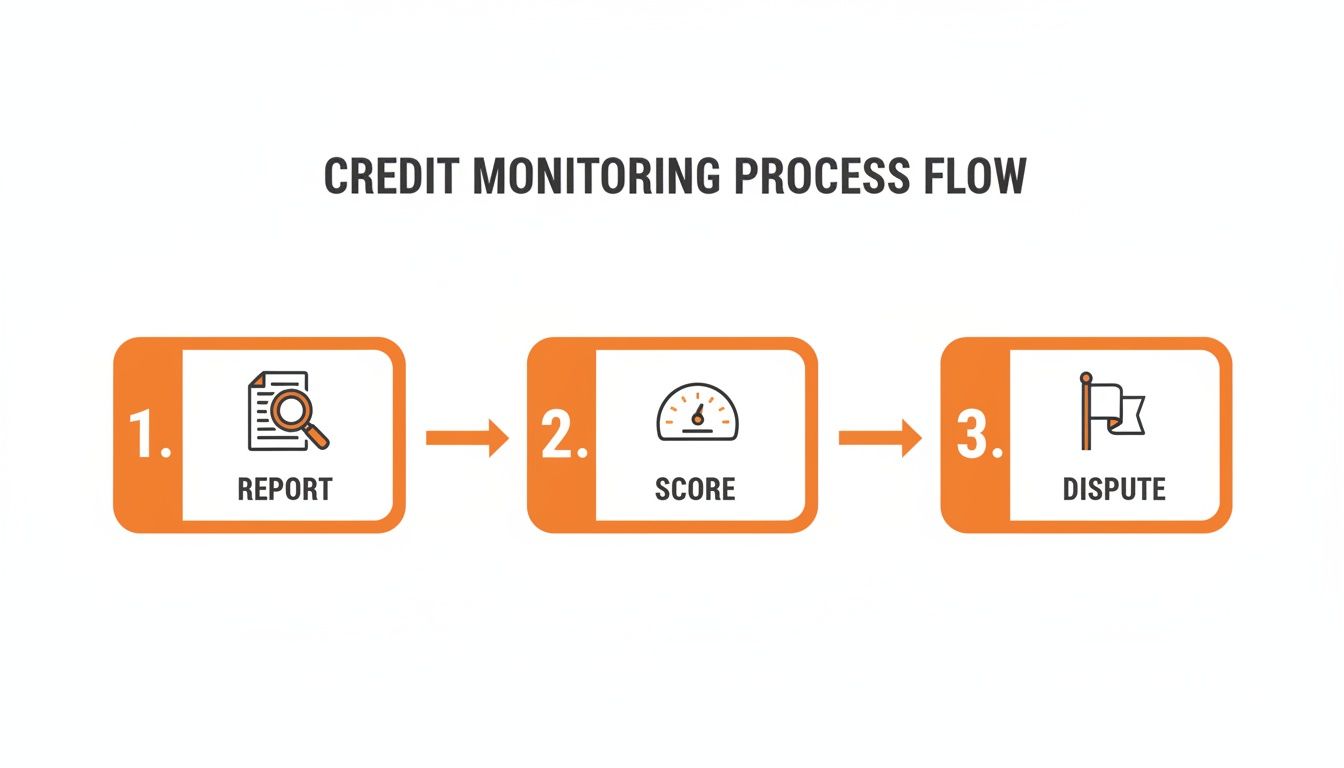
    Defining the Problem You Uniquely Solve

    Every great startup begins with a painful problem, not a cool product. Get this right, and your business plan falls into place. Your goal is to define the problem with such clarity that anyone who reads it instantly gets it.

    Think of yourself as a doctor. Your patient doesn’t care about your fancy medical device; they just want a diagnosis. They need to feel you understand their pain completely before they trust your cure. Your plan must diagnose a market pain point with that same precision.

    You want the reader nodding, thinking, "Yep, I know exactly what that feels like."

    Stop Building Solutions in a Vacuum

    The biggest mistake founders make is falling in love with their solution before confirming anyone has the problem. You might build the world’s most elegant key, but if it doesn't fit a single lock, it’s worthless.

    This is where you shift from assuming to gathering evidence. Get out of your head and talk to real people. This process, customer discovery, is non-negotiable. It’s the difference between building something people will pay for and building a hobby.

    Your mission is to validate that the problem is real, urgent, and widespread enough to build a business around. Before you sketch your product, you need answers:

    • Who is your customer? Get specific. "Small businesses" isn't an answer. "Independent coffee shop owners in Chicago struggling with unpredictable foot traffic" is.
    • What are they trying to do? What outcome are they trying to reach?
    • How do they solve this now? Map their current workarounds. Clunky spreadsheets? Duct-taped tools? This is your real competition.
    • What does this problem cost them? Put a number on the pain. Wasted time? Lost revenue? A problem that costs someone $10,000 a year is one they'll gladly pay to solve.

    Your solution doesn't have to be perfect on day one, but your understanding of the problem absolutely does. The deeper you dig here, the more you de-risk your entire venture.

    This initial research is everything. For practical advice, see our guide on how to validate a business idea before you commit serious time and money.

    Frame Your Solution as the Perfect Key

    Once you've defined the problem with clarity, introduce your solution. This isn't about listing features. It's about showing how your solution makes your customer's life better.

    Your solution should be the perfect key for the specific lock you just described. It’s not a Swiss Army knife; it's a specialized tool that does one thing incredibly well. This focused story is your value proposition.

    Let’s use a Chicago example.

    The Problem: Local breweries in neighborhoods like Logan Square waste hours manually tracking keg inventory in messy spreadsheets. This leads to lost kegs (costing over $100 each) and missed sales when they can't restock fast enough.

    The Solution: We're building "KegFlow," a simple QR-code app that lets brewers track every keg. With a quick scan, they know where their assets are, get alerts for returns, and can forecast demand. This saves them an average of 10 hours a week and cuts keg loss by 90%.

    See the difference? The solution isn't just "an inventory app." It's the direct, powerful answer to the painful problem you just laid out. This problem-solution fit is the foundation of a compelling startup business plan template.

    Mapping Your Market and Proving Traction

    A brilliant solution is useless without a hungry market. Too many founders build something incredible, only to realize nobody was waiting to buy it. This section proves your idea isn't just clever, but necessary.

    Think of yourself as a chef. You can craft the most exquisite dish, but if you open your restaurant in a town where everyone is allergic to your main ingredient, you're going out of business. This section is you confirming that the town is starving for what you're cooking.

    First, map out the size of your opportunity. Show investors you're not just chasing a niche hobby but a massive market.

    Demystifying Your Market Size

    You’ll hear investors use acronyms like TAM, SAM, and SOM. It sounds like jargon, but it's just a simple way to zoom in on your real customer base.

    Let’s use an analogy. Imagine you're launching a new cold brew in Chicago:

    • Total Addressable Market (TAM): This is the biggest pie. It's the entire global coffee market. It’s a huge number, but you're not going to capture all of it.
    • Serviceable Available Market (SAM): Now we're zooming in. This is the slice of the market you could realistically serve—perhaps all coffee drinkers in the Chicago metro area.
    • Serviceable Obtainable Market (SOM): This is your real-world target for the next few years. It’s the piece of the Chicago market you can realistically win with your current team and resources. This is the number that truly matters.

    Your goal isn't to present the biggest number, but the most believable one. A well-researched SOM shows you’re a realist with a concrete plan, not just a dreamer.

    This diagram shows how a deep understanding of the customer problem is the real starting point.

    A diagram illustrating the Customer Problem Hierarchy, showing the flow from Problem to Solution to Value.

    It all flows from the problem. Nail that, and you can create a solution that delivers real value.

    Proving You Have Traction

    Market size is theory. Traction is proof. It's the most powerful thing you can have in your business plan because it turns your story from "this could work" to "this is working."

    Traction is early evidence that people want what you’re building.

    For early startups, traction isn't always revenue. Investors look for signals of momentum—proof you're making real progress. If you need help getting those first sales, our guide on how to start a product business is a great place to start.

    Traction is the story of your progress told through data. It's tangible evidence that you're building something with momentum in the real world.

    So what counts as traction? Here are powerful examples:

    • A Growing Waitlist: Showing that 500 people have signed up to be notified when you launch is huge. It demonstrates real demand.
    • Successful Pilot Programs: Ran a test with a small group? Share the results. "Our 10 pilot users reported a 40% reduction in time spent on weekly inventory." Numbers talk.
    • Letters of Intent (LOIs): Have potential customers signed non-binding agreements saying they intend to purchase your product? An LOI from a known company is gold.
    • Key Strategic Partnerships: Landing a partnership with an established player in your industry is a massive validator.
    • Positive User Feedback: Glowing quotes from your first users provide social proof. They tell a human story that makes the opportunity feel real.

    Your job is to connect the dots. Start with the big-picture market, then bring it down to earth with tangible signs of progress that prove you're the right team to win.

    7. Showcasing Your Team and Financials

    Investors bet on people, not just ideas. I’ve seen brilliant concepts fail under a weak team and scrappy founders pivot a mediocre idea into a massive success. This section is where you prove you have the right crew to win.

    Think of your team as seasoned sailors and your idea as the ship. Investors know that even the best ship will sink in a storm without a capable crew. They're looking for proof that your team has the skills, grit, and insight to handle whatever comes.

    This is your chance to go beyond resumes.

    More Than Just Resumes

    Forget just listing job titles. Tell the story of why this specific group is uniquely qualified to solve this problem. What’s your origin story? What led you to this mission?

    A great team section connects the dots, showing a clear line between each founder's background and the company's future success.

    • Highlight Complementary Skills: Show how your team covers the critical bases. Maybe one founder is a product genius, while the other is a marketing pro. That's the balance investors love.
    • Demonstrate Industry Experience: Have you lived the problem you're solving? If you’re building a tool for restaurant owners and a co-founder managed a busy Chicago restaurant for a decade, that’s a massive advantage. Mention it.
    • Showcase Grit: Early-stage startups are a grind. Share a brief story of how your team overcame a tough obstacle. This proves your resilience.

    For solo founders, this section is just as crucial. Highlight your advisory board, mentors, or early hires who fill your knowledge gaps. If you're still looking, our guide on how to find a co-founder has practical steps for finding the right partner.

    Your team slide isn't just about who you are. It’s about why you—and only you—are the team that will make this venture succeed. It’s a statement of capability and shared purpose.

    Your Financial Sketch Not a Full-Blown Audit

    Let's talk financials. Many founders get spooked here, picturing complex spreadsheets. Relax. At this early stage, nobody expects a perfect five-year forecast.

    The real goal is to provide a clear, honest financial sketch.

    Think of it this way: you're not creating detailed architectural plans for a skyscraper. You're making a simple floor plan that shows the basic layout and how the rooms connect. It proves you've thought through how your business will make and spend money.

    Your financial sketch in the startup business plan template should clearly outline three core things.

    1. Your Business Model: In one sentence, how will you make money? A monthly subscription (SaaS)? A one-time product sale (e-commerce)? Be direct.
    2. Key Revenue Streams and Major Costs: What are your top 1-3 ways to generate income? On the flip side, what are your 3-5 biggest expenses? Usually, this includes salaries, marketing, and software.
    3. Your Use of Funds: If you're raising money, be explicit about how you'll use it. Break down your ask (e.g., "$500k") into key buckets like "40% for two engineers, 30% for marketing, and 30% for inventory."

    This simple sketch gives investors confidence. It shows you understand the economic engine of your business and that you'll be a responsible steward of their capital. It's about demonstrating thoughtfulness, not predicting the future perfectly.

    Pitching Your Plan and Building Momentum

    Think of your business plan as a living document, not a final exam. It's a conversation starter—a key you’ve forged to open important doors. Once you’ve nailed it down, the real work begins: turning that plan into powerful conversations.

    This is especially true in the Midwest. Investors in hubs like Chicago value a practical, grounded mindset. They want a real story backed by a sustainable business model. Your plan isn't a script; it's the foundation for a genuine dialogue.

    The startup journey is tough. More than two-thirds of new companies fail within 10 years, and 21.5% don't make it past their first year.

    But here’s the flip side: businesses with detailed plans grow 30% faster. That’s a critical edge, especially when 82% of business failures come from cash flow issues—a problem a good plan tackles head-on. A solid startup business plan template is your lifeline. You can read more about these entrepreneurship statistics and how to beat them.

    Adapting Your Story for the Room

    Your pitch is never one-size-fits-all. A formal VC meeting is different from a casual coffee with an advisor. Learn to read the room and adapt your narrative while staying true to your core mission.

    For a VC, you might lead with traction and market size. When talking to a mentor, you might focus more on the problem and your team.

    Your business plan gives you the core components of your story. Your job is to be the storyteller, reassembling those components to connect with whoever is across the table.

    Getting Connected in the Midwest

    Building a company is a community sport. You need to get out there and connect with people who can help. Here in Chicago and across the Midwest, the ecosystem is incredibly supportive, but you have to show up.

    Here are a few places to start:

    • Incubators and Accelerators: Programs like 1871, mHUB, and MATTER in Chicago offer incredible mentorship and resources.
    • Local Events: Keep an eye on Built In Chicago and local tech meetups for pitch nights, founder panels, and networking.
    • Peer Groups: Joining a community of fellow founders, like Chicago Brandstarters, provides a confidential space to get honest feedback on your plan.

    A Few Common Questions About Startup Business Plans

    When you’re facing your first business plan, a few questions always pop up. Let's get them out of the way. Don’t be afraid to ask the tough questions—that’s how you get to the good stuff.

    How Long Should This Thing Be?

    Clarity beats length. Every time.

    There’s no magic number, but a sharp 15-page plan destroys a rambling 50-page one. For most early-stage startups, 15-25 pages is the sweet spot.

    Your one-page summary gets your foot in the door. After that, make every page count.

    Think of it like a great presentation. It needs to be long enough to tell a compelling story but short enough that no one's eyes glaze over.

    Should I Write It Myself or Hire Someone?

    You need to hold the pen. Writing the plan isn't just about putting words on paper; it's the process of wrestling with every detail of your business. It forces you to think strategically. You can't outsource that.

    Sure, bring in a pro to help with financial modeling or deep market research. That’s smart. But the core vision, strategy, and story? That has to come from you. Investors bet on your brain, not a consultant's.

    How Often Should I Update My Business Plan?

    Your startup business plan template isn't a historical document you frame on the wall. Treat it like a living guide for your business. It's your map, not a museum piece.

    Give it a refresh:

    • Quarterly: Check your progress against your goals and tweak what isn't working.
    • Before a new funding round: Show off your latest traction and lay out what you need next.
    • After a major pivot: If you're changing direction, your plan needs to change with you.

    Keeping it current transforms the plan from a simple document into your most valuable strategic weapon.


    Ready to build your brand alongside founders who actually value kindness and hard work? Join Chicago Brandstarters, a free, vetted community for Chicago and Midwest founders. We skip the transactional networking and focus on real support. Learn more and apply at https://www.chicagobrandstarters.com.