You're the founder. You're also Sales Rep #1.
You built something real. Maybe it's a product, maybe a service, maybe the first version is still held together with duct tape and caffeine. But now you have to sell it, and that part feels weird. You don't want to sound pushy, fake, or like the kind of person who corners strangers at a conference and calls it networking.
I get it. I felt the same way.
Then I learned the rule that punches every founder in the face sooner or later. Nothing happens until something gets sold. Your product can be smart, your brand can be beautiful, your mission can be noble. If nobody buys, none of it matters.
Most founders don't need a giant sales system on day one. You need reps. You need to hear good questions, better framing, tighter discovery, cleaner follow-up, and stronger closes. You need to borrow other people's pattern recognition until you build your own. That's why sales training videos are so useful. You can learn on your schedule, replay the hard parts, and fix one weak spot at a time.
That matters because people remember video far better than plain reading. Learners retain an average of only 10% from reading and up to 95% from audio-visual learning, according to The Sales Blog's write-up on sales training videos. That's a huge difference when you're trying to learn discovery, objections, demos, and follow-up without wasting months.
The problem is simple. Search for sales training videos and you get buried in fluff. A lot of it is theater. Loud confidence. Thin substance. Advice that sounds good and falls apart the second a real buyer pushes back.
I've watched a lot of this stuff so you don't have to. Below is my vetted list for founders who need practical help now. I care about one thing. Can you watch it, use it this week, and turn that into revenue?
1. HubSpot Academy
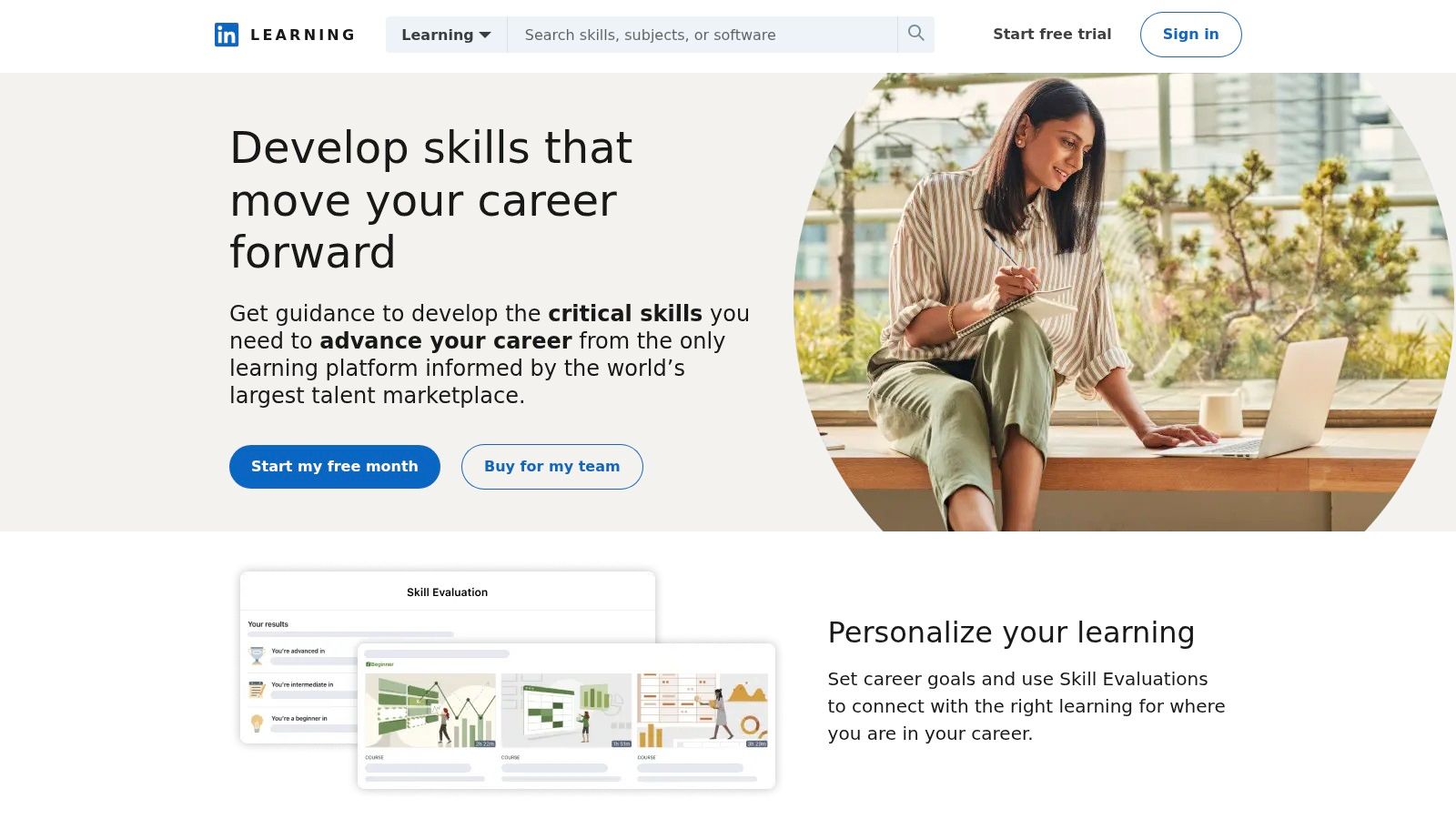
You have a sales call tomorrow. You know the product cold, but you still need a plan for discovery, qualification, and what to say when the prospect goes quiet. Start with HubSpot Academy Sales courses. I recommend it first because it's free, organized, and grounded in a sales style that doesn't make founders sound pushy or fake.
For Sales Rep #1, that's the core job. You do not need performance art. You need a repeatable way to run a call, ask smart questions, and move a deal forward without winging it every time.
Best for first-time founder sellers
HubSpot is the base layer I trust for founders who need structure fast. The lessons cover prospecting, qualification, demos, inbound sales, and the basics of using HubSpot's sales tools. The bigger win is that it gives you a simple operating system for buyer conversations. If sales still feels awkward, this helps you stop improvising and start following a process you can explain to someone else.
Here's who should use it first:
- Founders with zero formal sales training: You need fundamentals, not advanced theory.
- Bootstrapped teams: Free training beats paying for bad habits.
- Anyone who starts courses and never finishes: Certifications give you enough structure to complete the work.
My rule: If you can't explain your sales process in plain English after a week of training, the training is too fluffy.
What problem it solves
HubSpot solves the messy middle between "I know my product" and "I can run a decent sales call." That's a big gap for founders. Product knowledge does not equal sales skill. This training closes that gap with clear frameworks and short videos you can use right away.
It is especially useful if your calls drift, your discovery feels shallow, or you leave meetings unsure what happened.
What to do after you watch
Do not binge this stuff like Netflix. Pick one lesson on discovery or qualification. Use it on your next three calls. Write down the questions you asked, which ones opened the buyer up, and where the conversation stalled.
Then make one small change. Keep the questions that worked. Cut the ones that got polite, useless answers.
That is how views turn into revenue.
The catch is simple. HubSpot teaches through its own lens and software. That's fine at the start. If you're selling complex enterprise deals or building a custom sales motion, you'll outgrow parts of it. But for founder-led sales, I still think this is one of the best places to begin because it gets you competent fast, and fast matters when you're the one carrying quota.
2. JB Sales
Some training is clean and polished. JB Sales is more like a garage with good tools on the wall. That's a compliment. Go to JB Sales when you want tactical help and don't need someone to hold your hand.
I like John Barrows' material because it gets practical fast. Prospecting, discovery, objection handling, deal strategy, closing. You get talk tracks, frameworks, and templates you can put to work the same day.
Where JB Sales earns its keep
If your current problem is, "I know my product but I freeze when the prospect pushes back," this is a strong fit. The style is direct, and the material has more teeth than the average motivational sales video.
You also get a format that works for busy founders. On-demand content means you can steal an hour before the day blows up. Live sessions can sharpen the rough edges if you need real-time reinforcement.
Good sales training should feel like a sparring session, not a TED Talk.
Here's who I think should buy this first:
- SaaS founders: The tone and examples fit modern tech selling well.
- Early AEs or SDRs on your team: You can standardize language before bad habits spread.
- Founders with pipeline but weak conversion: This helps when calls happen, but deals stall.
What to do after you watch
Pick one friction point. Don't try to fix everything. If your discovery calls are weak, build one call sheet from the course and use it for a week. If objections are your problem, write down the top five objections you hear and match each one to a response framework from the training.
The drawback is also clear. It leans more tactical than philosophical. I think that's fine. Most founders don't need philosophy. You need better calls this week.
If HubSpot is your starter bike, JB Sales is where you go when the training wheels annoy you.
3. Winning by Design
Winning by Design Revenue Academy is what I recommend when your sales process can't stay in your head anymore. Once you have a few reps, a few deals, and maybe a few people involved, gut instinct stops being enough. You need a system.
This platform is built for recurring-revenue companies, especially SaaS. It teaches sales as an operating system, not a vibe. That's why I like it for founders trying to build something repeatable instead of becoming the only person who can close.
Best when you're building a real motion
Winning by Design works well when your company has moved past random founder hustle. The courses are role-based, the frameworks are structured, and the templates help you create consistency across SDRs, AEs, CSMs, and leadership.
You don't buy this because you want motivation. You buy it because you want a language your team can share.
One detail I care about a lot is adoption. Short sales training programs often get only 25% to 50% adoption at first, and that can fall below 30% after 60 days without reinforcement. Longer 36-week programs built around bite-sized learning, spaced repetition, retrieval practice, and weekly manager coaching get over 75% adoption, according to Mike Kunkle's breakdown of sales training adoption.
That lines up with what I've seen. Most training dies because nobody uses it after the kickoff.
What to do after you watch
Treat this like process design, not content consumption.
- Map one stage at a time: Start with discovery or demo. Don't rewrite the whole funnel in one weekend.
- Create one shared playbook: Turn the course ideas into your team's call outline, qualification notes, and follow-up template.
- Review weekly: If nobody reinforces the training, it turns into shelf decoration.
This isn't the best fit for a simple retail business or a founder selling low-ticket impulse buys. It has a heavy recurring-revenue tilt. But if your deals have multiple calls, multiple stakeholders, or a customer success handoff, this is one of the strongest sales training videos platforms on the list.
4. Sandler Online
I have a soft spot for Sandler Online because it teaches control without slime. A lot of founders hate sales because they think the job is to pressure people. Sandler pushes you in a different direction. Qualify hard. Stay calm. Don't chase bad-fit deals like a desperate ex.
That mindset alone can save you months.
Why founders like Sandler
If you're hearing "maybe next quarter" from people who were never going to buy, Sandler helps. The method forces you to deal with budget, decision process, urgency, and fit earlier. That's useful when your calendar is full but your bank account is unimpressed.
The online training has lessons, reinforcement material, role-play, and manager resources. If you're building a small team, the shared language matters. Everyone starts using the same frame instead of making up their own.
- Strong fit for consultative selling: Good for service businesses, B2B offers, and higher-consideration deals.
- Strong fit for nervous founders: It gives you permission to stop performing and start qualifying.
- Less ideal for low-friction consumer sales: If your sales cycle is fast and simple, this may feel heavier than you need.
Stop trying to close everyone. Start trying to find out who's worth closing.
What to do after you watch
I want you to steal one Sandler habit immediately. On your next sales call, ask tougher qualifying questions earlier than feels comfortable. Not rude. Just honest. Ask what happens if they don't solve this problem. Ask who signs off. Ask what they've already tried.
The downside is commitment. Sandler has its own vocabulary and process. If you half-adopt it, you'll sound weird. If you really use it, it can clean up your pipeline fast.
I wouldn't start here if you've never sold anything. But if you've already done enough founder sales to know where deals go to die, Sandler can help you stop bleeding time.
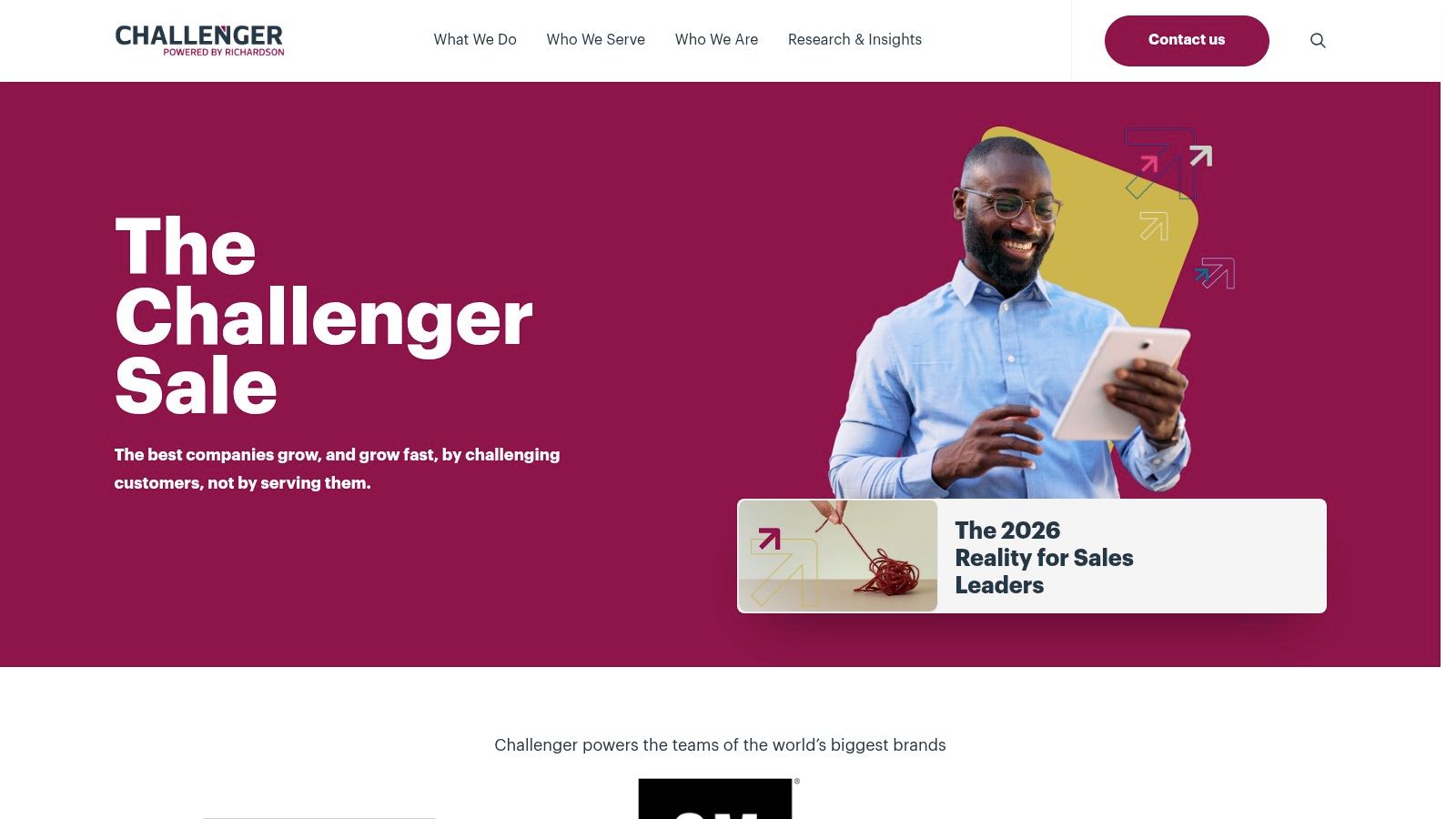
5. Challenger Hub
Some buyers don't need friendship. They need clarity. That's where Challenger Hub comes in.
I recommend this one when you're moving into more complex B2B selling and you need to lead the conversation with insight. The Challenger approach is built around teaching, tailoring, and taking control. If your buyers already know the basics and tune out generic pitches, this style can wake them up.
Where it fits
This is not the first platform I'd hand a brand-new founder with no sales reps. But if you're selling into larger accounts, with multiple stakeholders and messy internal politics, Challenger has teeth.
The platform has self-paced videos, exercises, reinforcement work, and admin tools for team rollout. That last part matters when you're no longer the only seller in the room.
I also like Challenger for founders with extensive market knowledge. If you've spent years inside a category, you probably have sharp points of view already. This training helps you package those points in a way buyers can act on.
What to do after you watch
Build one commercial insight. Just one. Don't try to become a thought leader overnight. Look at a common buyer assumption in your space and ask, "What are they missing that hurts them?" Then shape that into the opening of your next pitch or deck.
- Use Challenger if your buyer is well-informed: It works best when buyers need reframing, not basic education.
- Use Challenger if your deal size is climbing: Bigger deals usually require stronger point of view.
- Skip it for simple ecommerce: It's too heavy for low-complexity transactions.
One caution. Some people misuse Challenger and turn it into intellectual arrogance. Don't do that. The point isn't to act smarter than the buyer. The point is to help them see a problem more clearly than they did before.
When used well, this is one of the sharper sales training videos platforms for enterprise-style selling.
6. Sales Gravy University
You sit down to "work on sales" and spend two hours tweaking the homepage, rewriting a pricing line, and checking Stripe. Zero new conversations. Zero pipeline. I've done that. It's avoidance dressed up as productivity.
If that's your pattern, Sales Gravy University is a good correction. Jeb Blount teaches prospecting, objection handling, follow-up discipline, and the repetitive habits that fill a calendar with real sales calls.
Best for founders who avoid outreach
This one solves a specific founder problem. You already know your product. You can probably run a decent demo. But you don't start enough conversations, and you don't stay consistent long enough to build pipeline. Sales Gravy helps with that.
I like it because it's practical. You get on-demand courses, structured learning paths, live sessions, and options for team rollout if you stop being Sales Rep #1 and start hiring. For a founder, that's useful. You can use the same training to fix your own habits now, then hand it to your first rep later.
Forget the stat parade. The core point is simple. Deals still get won because somebody picked up the phone, asked for the meeting, followed up again, and stayed in the fight after the first brush-off. Founders who hide behind product work lose to founders who do that consistently.
What to do after you watch
Watch one prospecting module, then build a repeatable block on your calendar. Same time every day. Protect it like a customer call.
If pipeline is your problem, your answer is more conversations scheduled on purpose.
Start with this:
- Build a short lead list: Pick accounts that clearly have the problem you solve.
- Write one opener: Use the same opener for a week so you can improve it instead of reinventing it.
- Log outcomes: Track connects, replies, meetings booked, and no-response follow-ups.
- Review every Friday: If the script is weak, fix the script. If activity is weak, fix your calendar.
The tone is intense. Fine. I don't care if a platform feels warm and inspiring. I care whether it gets you to do the work you've been dodging. For founders who need a kick in the ass on prospecting, this is one of the better sales training videos platforms on the list.
7. Grant Cardone University
Grant Cardone University is polarizing. Some people love the energy. Some people want to throw their laptop across the room. I think both reactions are fair.
Still, I wouldn't leave it off this list, because for the right founder and the right team, it works well.
Who should use it
If you sell in a transactional environment, need daily reinforcement, and respond well to strong motivational pressure, Cardone can be useful. The platform has a huge library of short training videos, quizzes, modules on prospecting, presentations, closing, and follow-up, plus admin tracking for teams.
This is less "deep methodology" and more "constant reps." Picture a jump rope. It won't teach you every part of boxing, but it'll get your feet moving.
I especially see a fit for small business owners in retail, auto, local services, and straightforward SMB sales. If your team needs a daily habit loop, these short modules are easy to assign.
What to do after you watch
Use it for reinforcement, not ideology. Take one follow-up principle or one objection response, then put it into your day. Don't absorb the whole personality package if it doesn't fit you.
- Good fit for high-energy teams: Some people perform better with aggressive pace.
- Good fit for repetitive sales environments: Daily microlearning works when the sales motion repeats.
- Bad fit for relationship-first founders: If your style is quieter and trust-heavy, this can feel like wearing someone else's jacket.
I also think Midwest founders should be careful here. A lot of generic sales content leans toward aggressive urgency and hustle language. That doesn't always play well in relationship-driven markets. One underserved angle in sales training videos is local adaptation for founders who sell through trust, community, and slower trust-building cycles in places like Chicago and the Midwest, as noted in OutlierKit's piece on low-competition YouTube niches.
Take the discipline. Keep your own voice.
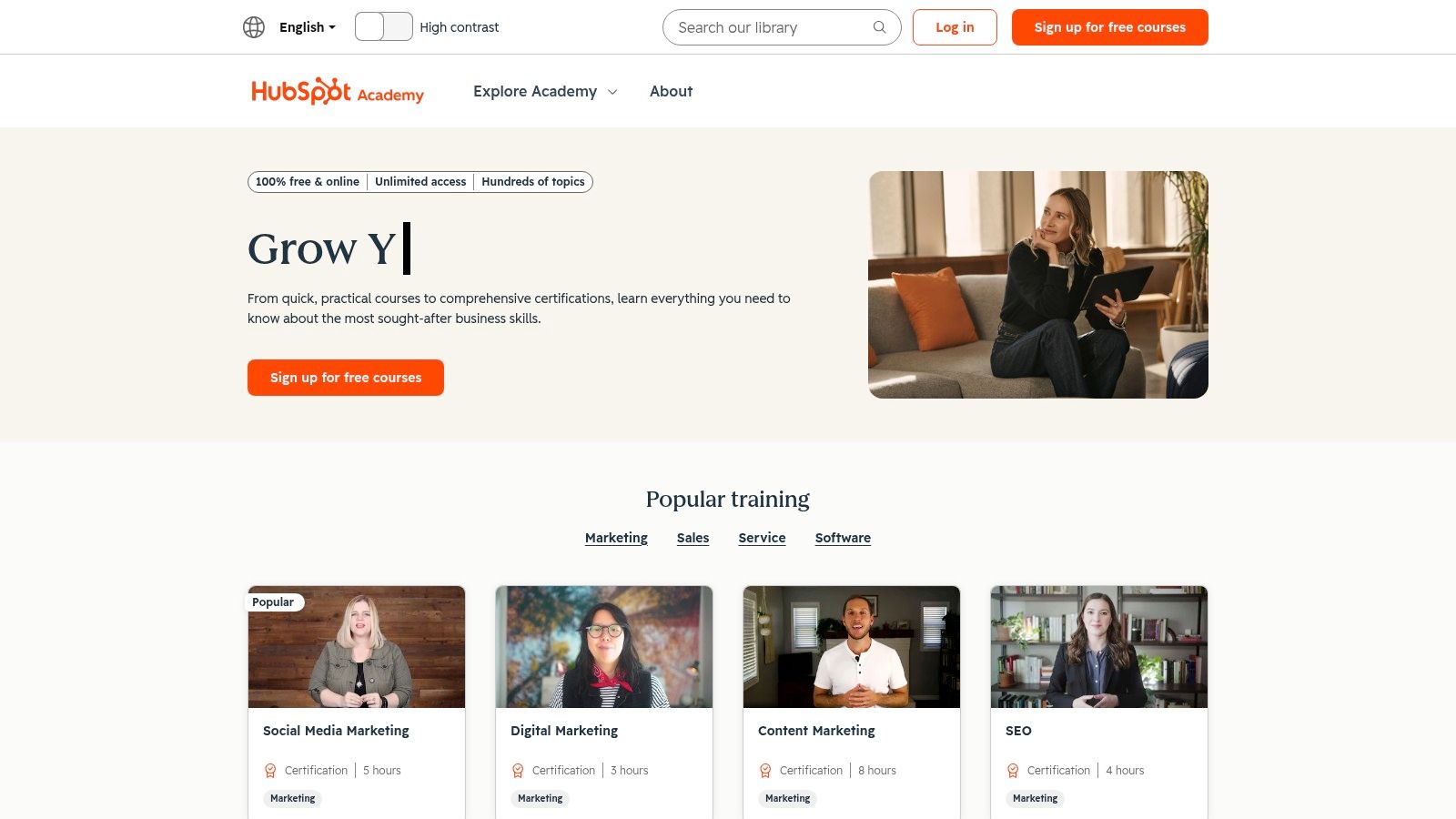
8. LinkedIn Learning
Sometimes you don't need one guru. You need a shelf full of decent tools. That's LinkedIn Learning.
Its sales library is broad. Prospecting, negotiation, social selling, B2B, B2C, management, communication. If you want modular learning and the freedom to patch one weak spot at a time, it does the job.
Why I like it for scrappy founders
This is a strong option for solo founders and tiny teams because it's flexible. You can learn one narrow skill without buying a full methodology that assumes you have enablement managers and sales ops.
The short lesson format also fits real life. You can knock out a lesson between customer emails, supplier issues, and the thousand dumb fires that come with building a company.
I wouldn't treat it like your forever system. The instructor quality varies, and the catalog isn't built around your exact sales motion. But that's also the point. It lets you explore before you commit.
Breadth beats perfection when you still don't know which part of sales is broken.
What to do after you watch
Use LinkedIn Learning like a diagnostic tool. If your calls are good but your follow-up dies, study follow-up. If buyers like you but don't trust your numbers, learn negotiation or presentation. Match the lesson to the leak.
A simple approach works best:
- Pick one skill gap: Don't "learn sales." Learn discovery, follow-up, or negotiation.
- Finish one course fully: Half-finished libraries don't close deals.
- Turn notes into scripts: Every useful lesson should become a line, a question, or a checklist.
For founders who hate being boxed into one doctrine, this is one of the most practical sales training videos libraries around.
9. RAIN Group On-Demand
You get off a call feeling good, then the deal stalls for two weeks because the buyer still doesn't trust your diagnosis. I've seen that happen a lot with founder-led sales. The pitch is solid. The product is solid. The conversation wasn't.
RAIN Group On-Demand is one of the better fixes for that problem. I recommend it to founders who sell into thoughtful, higher-trust deals where the buyer needs real guidance, not pressure.
This platform is built for consultative selling. That matters if you're selling services, complex B2B offers, or anything with multiple stakeholders and a longer decision cycle. You need to ask better questions, slow the conversation down, and earn the right to recommend. RAIN trains that style well.
I also like the range. It covers consultative selling, virtual selling, negotiation, productivity, and account growth. So this is not just another library to help you book the first meeting. It helps with the harder part too: running a smart sales process from first call through expansion.
For Sales Rep #1 founders, that's the value. You're usually handling prospecting, discovery, proposal work, follow-up, and renewals yourself. A platform that teaches only one slice of the job leaves you stuck. RAIN is more useful because it maps to the full mess of founder-led selling.
Where RAIN Group works well
Use RAIN when your biggest problem is call quality, not activity volume.
If buyers say, "Looks interesting, send me something," and then disappear, you probably aren't getting deep enough into the problem. If prospects like you but don't move, you may be pitching before you've built enough conviction. RAIN helps fix that.
It also works well if you already have some traction and want to grow accounts without sounding like you're constantly asking for more money. That's a different skill from winning net-new business. A lot of training libraries blur those together. I wouldn't.
What to do after you watch
Don't binge this one.
Pick one framework from a lesson and use it on your next three sales calls. I would start with discovery or negotiation. Write down three questions you will ask, one summary line you will use to confirm the buyer's problem, and one moment where you will stop yourself from pitching too early.
Then review the calls. Did the buyer open up more? Did you learn something you didn't know before? Did the next step get clearer? That's how you turn training into revenue instead of another tab you never reopen.
RAIN Group is not flashy. Good. If your business wins on judgment, trust, and helping buyers make a smart decision, that quieter style is a better match.
10. Richardson
You hire your first two reps, assume they'll figure it out, and three months later your pipeline sounds like three different companies. One rep discounts too early. One rambles. One gives a decent demo but can't earn a real next step. That is the mess Richardson is built to fix.
Richardson's Accelerate Sales Performance Platform is for founders who are done freelancing their sales process. If you're still Sales Rep #1 and selling by instinct, this is probably too much. If you're trying to make two to twenty reps sound sharp, consistent, and coachable, I think it's a strong pick.
What I like is the structure. Richardson combines scenario-based video lessons, practice, manager feedback, AI coaching, and analytics in one system. That matters because training only works when reps practice the skill, get corrected, and repeat it until it sticks.
Where Richardson works well
Use Richardson when your problem is inconsistency across the team.
This is not the scrappy option. It's the adult option. You buy it when bad calls are costing you real money and you want a common sales language, clear standards, and coaching that managers can run without reinventing the wheel every week.
Richardson is also a good fit if you sell into larger accounts and need reps to handle different conversations well. Discovery, stakeholder alignment, business cases, negotiation. Founder-led teams usually start by copying whatever the founder says on calls. That breaks fast once the team grows. Richardson gives you a cleaner system.
What problem it solves
It solves drift.
Without a training system, every rep builds their own version of the pitch. Messaging gets sloppy. Qualification gets loose. Forecasts get worse because managers are coaching from opinions instead of shared criteria. I've seen founders blame hiring when the actual issue was uneven training.
Richardson fixes that better than lighter video libraries because it pushes practice and reinforcement, not just content consumption.
What to do after you watch
Pick one customer-facing moment that matters most right now. I would start with discovery, objection handling, or negotiation. Then build one scorecard around that skill and have every rep use it for the next two weeks.
Keep it simple. What question should they ask? What bad habit should they stop? What outcome should show up in the call review?
If managers are not reviewing practice and coaching to the same standard, don't buy a platform like this yet. You'll get a content library, not behavior change.
My take is simple. Richardson is a strong choice for founders who need a sales team to perform the same way on purpose, not by luck.
Top 10 Sales Training Video Platforms Comparison
| Platform | Core focus & unique features ✨ | Ideal audience 👥 | Strength / value proposition 🏆 | Pricing / access 💰 | Quality / practicality ★ |
|---|---|---|---|---|---|
| HubSpot Academy (Sales) | ✨ Free inbound courses, certs, HubSpot tool tracks | 👥 Beginner founders & bootstrapped teams | 🏆 Best zero-cost foundation for buyer-centric selling | 💰 Free | ★★★★ |
| JB Sales (John Barrows) – On‑Demand + Live | ✨ Tactical templates, deal scorecards, live workshops | 👥 B2B SaaS founders, SDRs/AEs building prospecting engines | 🏆 Highly actionable scripts & sequences to book meetings | 💰 Paid (individual/team plans) | ★★★★★ |
| Winning by Design – Revenue Academy | ✨ SPICED framework, metrics-driven blueprints, cohorts | 👥 SaaS founders with early traction scaling sales | 🏆 Builds repeatable, data-driven sales systems for scale | 💰 Premium / cohort pricing | ★★★★★ |
| Sandler Online (Sandler) | ✨ Sandler Submarine, role-plays, manager toolkits | 👥 Founders selling high-ticket services/long cycles | 🏆 Proven qualification + "up‑front contract" discipline | 💰 Quote-based / program pricing | ★★★★★ |
| Challenger Hub (Challenger) | ✨ Teach–Tailor–Take Control, LMS & admin integrations | 👥 Founders selling complex B2B/enterprise solutions | 🏆 Positions sellers as insight-driven advisors for big deals | 💰 Quote / enterprise pricing | ★★★★★ |
| Sales Gravy University (Jeb Blount) | ✨ Fanatical prospecting, time-blocking, objections playbooks | 👥 Founders needing pipeline discipline & activity focus | 🏆 No‑excuses frameworks to fill the top of funnel fast | 💰 Paid / corporate options | ★★★★ |
| Grant Cardone University | ✨ Daily micro-videos, motivational coaching, tracking | 👥 High-volume transactional founders (retail, e‑com, SMB) | 🏆 Motivational push for relentless follow-up & volume | 💰 Paid / quote-based | ★★★ |
| LinkedIn Learning (Sales Library) | ✨ Huge modular catalog, learning paths, LinkedIn certs | 👥 Self-directed founders patching specific skills | 🏆 Breadth and quick, on-demand skill fixes | 💰 Subscription (often accessible via library) | ★★★★ |
| RAIN Group On‑Demand | ✨ Research-backed consultative & virtual selling modules | 👥 Agencies and service founders selling consultatively | 🏆 Creates conversations that win modern remote deals | 💰 Quote / program pricing | ★★★★ |
| Richardson – Accelerate Sales Performance Platform | ✨ Scenario microlearning + AccelerateAI coaching & analytics | 👥 Founders with small sales teams / enablement leaders | 🏆 Enterprise-grade reinforcement, AI coaching, measurement | 💰 Quote / seat-based | ★★★★★ |
Stop Watching, Start Doing
You now have my playbook. Not a theory. Not a motivational speech. A real list of sales training videos and platforms I would tell a founder friend to use if we were sitting in a bar and you said, "I need to get better at selling fast."
Here's my blunt advice. Don't overthink the choice.
If you're brand new, start with HubSpot Academy. If you want sharper tactics, go JB Sales. If you're building a repeatable SaaS motion, use Winning by Design. If you need qualification discipline, use Sandler. If you're moving upmarket, use Challenger. If your pipeline is weak, use Sales Gravy. If your team needs daily energy and repetition, maybe Cardone. If you want broad skill coverage, LinkedIn Learning works. If you sell with nuance, look at RAIN Group. If you're building a structured team system, Richardson is the adult answer.
The mistake I see founders make is simple. They keep shopping instead of training. They keep training instead of practicing. They keep practicing in private instead of using it in live calls.
That kills momentum.
Watching sales training videos can make you feel productive. Sometimes it is productive. But only if you turn the lesson into behavior. Otherwise it's the business version of buying running shoes and never leaving the house.
So do this. Pick one platform. Just one. Then pick one skill to improve this week. Discovery. Objection handling. Follow-up. Demos. Closing. Not all five. One.
Then force the training into practical application.
- Watch one lesson: Keep it small enough that you'll remember it.
- Write one takeaway in your own words: If you copy the instructor's language exactly, you'll sound rented.
- Use it in three live conversations: Calls, demos, follow-ups, whatever fits.
- Review what happened: What landed, what felt stiff, what got a response.
- Repeat next week: That's how a sales habit gets built.
If you've got a team, don't stop at "everyone watched it." That means nothing. Make reps practice. Record role-plays. Review call notes. Compare before and after. Training without reinforcement is like going to the gym once and expecting abs.
And if you're a founder in Chicago or the Midwest, I'll say something I don't think gets said enough. You do not need to become a loud, coastal caricature to get good at sales. You can sell with directness, kindness, and real conviction. In fact, in relationship-heavy markets, that style often works better. Buyers can smell borrowed bravado from a mile away.
I've seen founders make the biggest jump when they stop trying to "do sales" and start trying to understand buyers better, ask sharper questions, and follow up with more discipline. That's learnable. You do not need a magic personality. You need reps, pattern recognition, and enough honesty to see where you're weak.
So stop collecting content like a digital hoarder. Start using it.
One lesson. One change. One sale closer than you were last week.
That's the game.
If you want a room full of founders who are in the trenches, join Chicago Brandstarters. It's free, vetted, and built for kind, bold, hard-working Chicago and Midwest founders who want honest feedback, real war stories, and better reps with people who get it. If you're tired of fake networking and want practical help turning learning into revenue, you'll fit right in.

Leave a Reply to Mike Kunkle Cancel reply