Standing out in a crowded market can feel impossible. You have a great idea, but others are doing something similar. How do you break through? It's not about being louder; it's about being different.
Imagine a music festival full of burger stands. Now, imagine one truck selling gourmet grilled cheese. It’s not just a sandwich; it’s a unique, comforting choice. This is product differentiation. It's how you build a brand people choose on purpose.
This article is a playbook, not a lecture. It’s full of real examples of product differentiation. We'll explore 10 clear strategies, from quality and community to unique delivery and honest sourcing.
For each example, we'll cover:
- The Strategy: What makes the brand's approach unique.
- Why It Works: How it connects with customers.
- The Playbook: Simple steps you can take for your own business.
Whether you're a kind builder in a community like Chicago Brandstarters or just sketching ideas, this guide is here to help. It will show you how to build a brand that truly matters. Let’s dive in.
1. Quality & Craftsmanship Differentiation
This strategy is about making something better. Better materials, better construction, better durability. You compete on excellence, not price. This is a powerful example of product differentiation because it builds trust and justifies a higher price. It speaks to customers who want things that last.
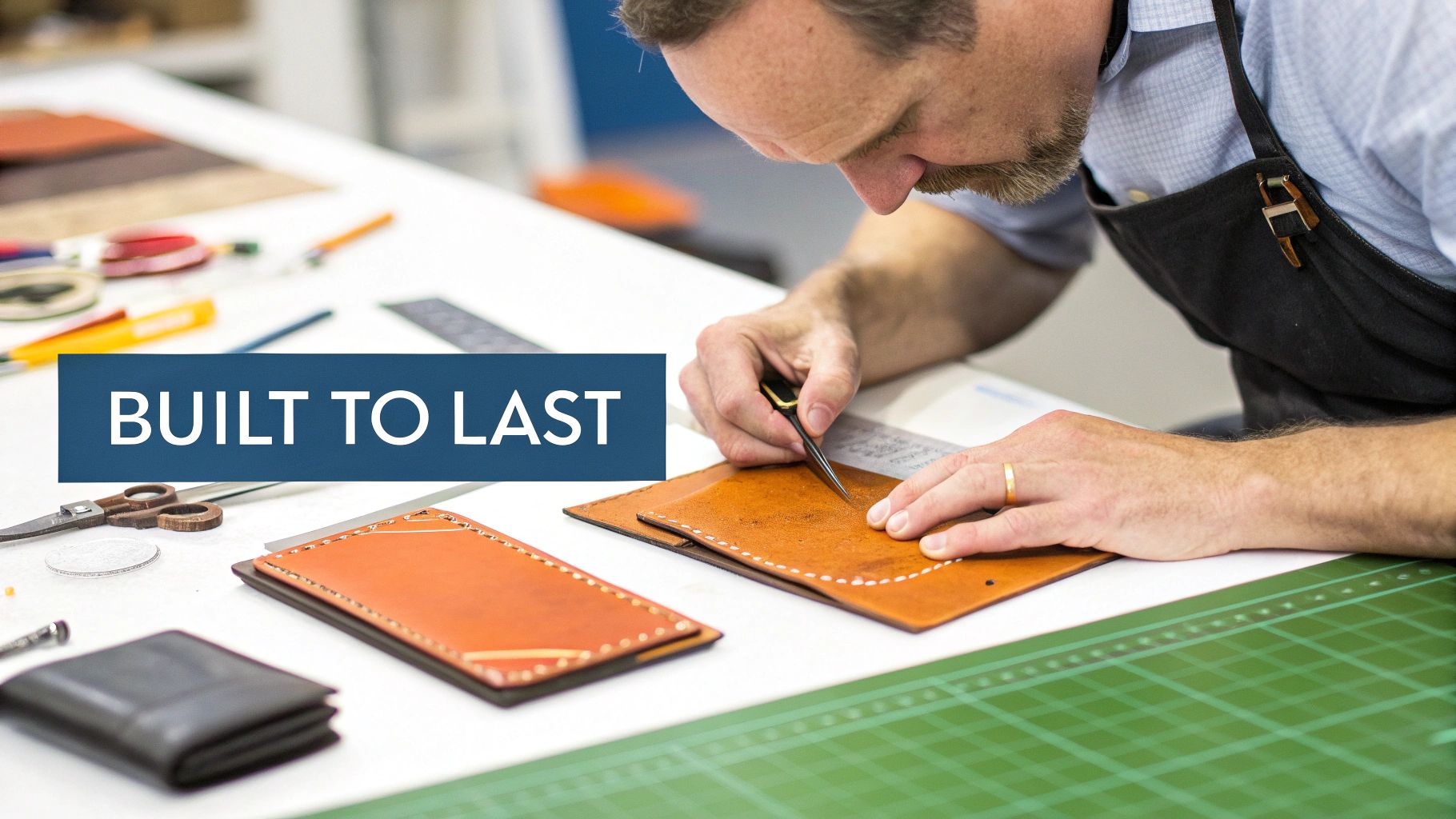
Think of it like building a house. You can use solid oak beams or cheap particleboard. Both look fine at first, but only one will stand for generations. Quality turns your product from a purchase into an investment.
Strategic Analysis
-
Brand Example: Patagonia
Patagonia sells more than outdoor gear; it sells a promise of resilience. Their "Ironclad Guarantee" and Worn Wear repair program are marketing genius. But they only work because the products are high-quality to begin with. They prove their craftsmanship by standing behind it for life. -
Why It Works:
This approach connects with people tired of things designed to break. By promising durability, Patagonia builds intense loyalty. They attract a community that values sustainability, creating a strong defense against cheaper competitors.
Key Insight: Quality is more than the product. It’s the guarantee, the repair services, and the story you tell about how it’s made.
Your Quality Playbook
Here are simple steps to use this strategy:
- Source Superior Materials: Your product is only as good as its parts. Research your suppliers carefully. Quality starts with the right partners.
- Show Your Work: Create content that shows your process. Film your makers, explain your material choices, and be open about your standards. This shows why your price is fair.
- Use Social Proof: Highlight reviews that talk about durability. Let your happy customers become your best salespeople.
2. Community & Values-Based Differentiation
This strategy is about what you stand for, not just what you sell. You build a brand around a shared mission or core values. You compete on belonging, not features. This is a meaningful example of product differentiation because it creates an emotional bond with customers.
Think of it like going to a concert versus streaming a song. One is a transaction; the other is a shared experience. This approach turns customers into advocates. They don't just buy your product; they join your movement.
Strategic Analysis
-
Brand Example: TOMS Shoes
TOMS started with a simple "One for One" promise: buy a pair, and they donate a pair. This wasn't a feature of the shoe; it was the reason to buy it. They sold a simple, tangible way for people to do good. -
Why It Works:
This connects with our desire for purpose. By building a social mission into their business, TOMS created a loyal tribe. Customers felt like part of a solution, which protected the brand from competitors focused only on style or price.
Key Insight: Values-based differentiation works best when the mission is simple. The story becomes the product's most powerful feature.
Your Values-Based Playbook
Here are simple steps to use this strategy:
- Be Authentic: Your mission can't be just a slogan. It must be part of everything you do. Be honest about your journey, including your struggles.
- Show Your Impact: Don't just say you make a difference; prove it. Use clear data and stories to show customers the result of their support. (e.g., "You helped us provide 1,000 meals this month.")
- Partner for Credibility: Work with trusted local organizations that share your mission. For Chicago brands, this builds community trust and extends your reach.
3. Price Differentiation Strategy
This approach uses price to set your product apart. It’s not just about being cheap or expensive. It’s about using price to send a clear message about value. This is a very direct example of product differentiation because price is often the first thing a customer notices.
Think of price like the volume on a speaker. A high price shouts "luxury," while a low price says "accessible." Your price tells a story before a customer even touches the product.
Strategic Analysis
-
Brand Example: Dollar Shave Club
Dollar Shave Club (DSC) didn't invent a better razor. They changed the price and the experience. For a few dollars a month, they delivered a simple, good razor. They challenged overpriced giants like Gillette with a model that was honest and predictable. -
Why It Works:
DSC tapped into customer frustration. People felt ripped off by the "razor and blades" model. DSC's simple, low price made them feel like a champion for the customer, building a massive following overnight.
Key Insight: Price differentiation is powerful when it breaks an old industry rule. It’s not a race to the bottom. It’s about matching your price to a value that customers are hungry for.
Your Pricing Playbook
Here are simple steps to use this strategy:
- Match Price to Brand: Your price must fit your story. A premium brand needs a premium price. A disruptive brand needs an aggressive but sustainable price.
- Understand Customer Value: Price is what someone is willing to pay. Learn about how to price a new product to understand what your solution is worth to your customers.
- Know Your Numbers: Understand your costs. Make sure your price allows for profit, marketing, and growth. A low price is useless if it puts you out of business.
4. Design & Aesthetics Differentiation
This strategy is about creating a product that is beautiful, memorable, and a joy to use. It competes on feeling and experience, not just function. This is a powerful example of product differentiation because great design creates an instant emotional connection.

Think of the difference between a generic plastic water bottle and a sleek S'well bottle. Both hold water, but one is a statement piece. Great design turns everyday items into personal expressions.
Strategic Analysis
-
Brand Example: Glossier
Glossier sold an aesthetic, not just makeup. From its minimalist pink packaging to its sticker-filled boxes, every detail was crafted to be shared on Instagram. The design was as important as the product, turning customers into fans who proudly displayed the brand. -
Why It Works:
This approach bypasses feature comparisons by appealing to emotion and identity. Glossier’s design made customers feel like they were part of a cool club. This aesthetic is hard for competitors to copy because it’s so tied to the brand's core identity.
Key Insight: Great design isn't just decoration; it’s a business strategy. It communicates your values, raises your product's perceived worth, and can create its own marketing buzz.
Your Design Playbook
Here are simple steps to use this strategy:
- Invest in Design Early: Your product’s look is its first impression. Hire a professional to create a cohesive identity, from your logo and packaging to your website.
- Create a Shareable Unboxing: Design your packaging to be an experience worth sharing. This turns a delivery into free, user-generated marketing.
- Tell Your Design Story: Share the "why" behind your look. Explain your choices in materials and colors. This builds a deeper connection with your audience.
5. Direct-to-Consumer (DTC) & Distribution Model Differentiation
This strategy is about how you sell, not just what you sell. Instead of using traditional retailers, you sell directly to customers online. This is a powerful example of product differentiation for modern brands because it gives you total control over your story, customer relationships, and profits.
Imagine you're a farmer. You could sell your produce to a huge, impersonal supermarket. Or, you could run your own farm stand. At your stand, you tell your story, build relationships, and keep all the earnings. DTC turns a transaction into a direct brand experience.
Strategic Analysis
-
Brand Example: Warby Parker
Warby Parker disrupted the eyewear industry by cutting out retailers. Their "Home Try-On" program brilliantly solved the biggest problem with buying glasses online. By owning the entire process, they offered stylish glasses for less while building a direct line to every customer. -
Why It Works:
The DTC model creates a direct feedback loop. Brands can innovate based on real customer data, not retailer guesses. This direct connection builds a loyal community and provides insights that other brands can't get.
Key Insight: DTC is not just about cutting costs. It's about owning the customer relationship. The data and brand control you gain are priceless.
Your DTC Playbook
Here are simple steps to use this strategy:
- Build Your Own Channels: Your website and email list are your most valuable assets. Focus on growing your email list from day one. To get started, you can learn more about how to start an ecommerce business.
- Master Your Metrics: Track your Customer Acquisition Cost (CAC) and Lifetime Value (LTV). A DTC model only works if the math makes sense.
- Invest in Customer Experience: Since you are the only touchpoint, your customer service must be fantastic. Every interaction is a chance to create a loyal fan.
6. Personalization & Customization Differentiation
This strategy lets customers make a product their own. You offer a creative experience, not just a finished item. This is an engaging example of product differentiation because it turns a buyer into a co-creator, creating a deep sense of ownership.
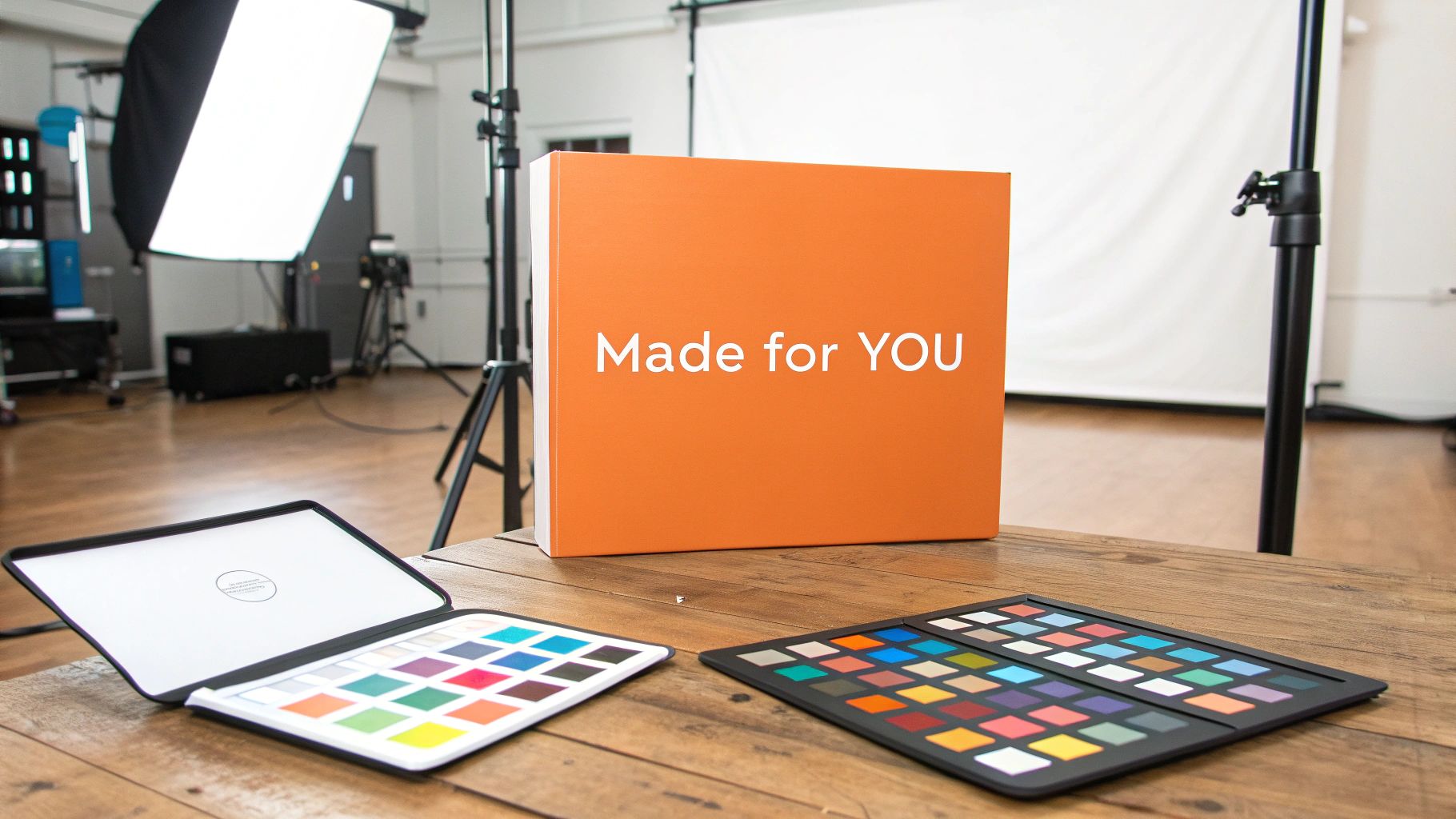
Think of it like getting a custom suit versus buying one off the rack. The final product is a reflection of the individual. This approach elevates your product from a generic item to a personal statement.
Strategic Analysis
-
Brand Example: Nike By You
Nike’s customization platform lets customers become shoe designers. They can choose colors, add text, and create a one-of-a-kind sneaker. This isn’t just a gimmick; it’s a brilliant way to engage customers and collect data. -
Why It Works:
This uses the "IKEA effect"—we value things more when we help build them. By giving customers creative control, Nike builds a powerful emotional bond. The final product feels more meaningful than a standard shoe from a competitor.
Key Insight: Good customization isn't about offering endless choices. It's about providing a curated set of options that allow for self-expression without being overwhelming.
Your Customization Playbook
Here are simple steps to use this strategy:
- Start with Curated Options: Don't offer a blank slate. Begin with 2-3 key customizable elements (like color, material, or an engraving) that make a big impact.
- Design for Modularity: Build your product with interchangeable parts. This makes customization easier to manage and scale.
- Showcase Customer Creations: Create a gallery or social media campaign featuring your customers' personalized products. This gives others inspiration and celebrates your community.
7. Innovation & Technology Differentiation
This strategy is about creating something new that makes competitors look old. You create a new standard instead of just improving the old one. This is a potent example of product differentiation because it lets you define the market and attract customers who want the latest and greatest.
Think of the difference between a faster horse and the first car. One is an improvement; the other is a revolution. This approach makes your product the only choice for people on the cutting edge.
Strategic Analysis
-
Brand Example: Oura Ring
Oura didn’t just make another fitness tracker for your wrist. It created a new category—the smart ring—with best-in-class sleep and recovery tracking. It solved the problem of clunky wearables while providing deeper health insights. -
Why It Works:
Oura's tech-first approach attracts a specific type of customer who wants data without bulky hardware. Their unique sensors and algorithms create a high barrier for competitors to copy.
Key Insight: Tech differentiation is powerful when the innovation solves a real problem or creates a much better experience. It can't just be a gimmick.
Your Innovation Playbook
Here are simple steps to use this strategy:
- Solve a Specific Problem: Don’t innovate for its own sake. Find a real user frustration and engineer a unique solution. Your tech should have a clear "why."
- Simplify the Complex: Explain your tech in simple, benefit-focused terms. Customers don’t buy "photoplethysmography sensors"; they buy "the most accurate sleep tracking."
- Build a Legal Moat: If your tech is truly new, protect it with patents. This stops copycats and secures your position as the original creator.
8. Niche & Audience Specialization Differentiation
This strategy focuses on serving a specific, overlooked group with a product made just for them. Instead of trying to please everyone, you become the best solution for a small, passionate audience. This is an effective example of product differentiation for new brands because it builds a loyal, tight-knit following.
Think of it like a general doctor versus a heart specialist. The general doctor helps many people, but the specialist is a hero to a few with a critical need. This approach makes your brand a place where customers feel truly understood.
Strategic Analysis
-
Brand Example: Rothy's
Rothy's didn't just make another shoe. They made a sustainable, comfortable, machine-washable flat for the modern, eco-conscious woman. They targeted a niche of people who wanted style without compromising their values. -
Why It Works:
This approach creates a strong sense of identity. Rothy's customers aren't just buying shoes; they're joining a movement of sustainable fashion. This builds a strong defense against mass-market competitors and turns customers into advocates.
Key Insight: Niche specialization isn't about excluding people; it's about deeply including a specific group. When you solve their unique problem, they will become your biggest fans.
Your Niche Playbook
Here are simple steps to use this strategy:
- Go Deep on Research: Talk to at least 50 potential customers in your niche. Understand their lives, their frustrations, and the words they use.
- Create Niche-Specific Content: Make blogs, podcasts, or videos about their unique interests. Become their go-to source for information, not just products.
- Build a Community: Host events or start online groups for your niche. Give them a space to connect with each other and your brand.
9. Customer Experience & Service Differentiation
This strategy is about how customers feel when they interact with your brand. You compete on support and genuine care, not just product features. This is a very defensible example of product differentiation because it builds deep emotional loyalty that competitors can't easily break.
Think of the difference between a generic coffee shop and your favorite spot where the barista knows your name. The coffee might be similar, but the feeling of being valued makes you come back. This turns customer service from a cost into a powerful marketing tool.
Strategic Analysis
-
Brand Example: Zappos
Zappos built its empire on delivering "WOW" through service. Their legendary support stories—like 10-hour customer calls—are not stunts. They are the result of a culture that empowers employees to create a personal, emotional connection. -
Why It Works:
This approach builds an almost unbreakable bond. Zappos knew that in a crowded market, the human element was the ultimate differentiator. By investing in its team, it created an army of fans who spread the word.
Key Insight: Differentiating through service isn't about scripts. It's about giving your team the freedom to solve problems and create genuine human connections.
Your Service Playbook
Here are simple steps to use this strategy:
- Hire for Empathy: You can train for product knowledge, but you can't easily train for kindness. Make empathy a key hiring requirement for all customer-facing roles.
- Empower Your Front Line: Give your support team the authority to fix problems on the spot. An empowered employee can turn a complaint into a moment of delight.
- Create a Service "Bible": Document your service philosophy. Share stories of great service to reinforce your culture and guide your team.
10. Supply Chain & Sourcing Transparency Differentiation
This strategy is about sharing your product's origin story. Instead of hiding how it’s made, you make that process your biggest asset. This is a powerful example of product differentiation today because it builds deep trust and connects with customers who care about ethical practices.
Think of it like choosing a restaurant. One has an open kitchen where you can see fresh ingredients being prepared. The other keeps its kitchen hidden. The open kitchen instantly builds confidence. This approach makes your supply chain a core feature.
Strategic Analysis
-
Brand Example: Everlane
Everlane built its brand on "Radical Transparency." They don't just say their products are ethically made; they show you. Their website breaks down the true cost of each item and shows photos of the factories where they are made. -
Why It Works:
This approach speaks directly to modern consumers who are skeptical of big brands. By revealing its pricing and partners, Everlane builds an honest relationship with its customers. This makes them feel like they are investing in a better system.
Key Insight: Supply chain differentiation isn’t just about being ethical; it's about proving it. Showing your work builds a level of trust that traditional marketing can't buy.
Your Transparency Playbook
Here are simple steps to use this strategy:
- Map Your Tiers: Start by documenting your direct suppliers. As you grow, trace your materials back to their source. Transparency is a journey.
- Humanize Your Partners: Create content that highlights your suppliers. Share their stories and values. This turns your supply chain into a network of people.
- Use Certifications: Earn third-party credentials like B Corp or Fair Trade to add credibility to your claims. They are a trusted shortcut for customers.
10 Product Differentiation Strategies Compared
| Strategy | 🔄 Implementation Complexity | 💡 Resource Requirements | ⭐ Expected Outcomes | 📊 Ideal Use Cases | ⚡ Key Advantages |
|---|---|---|---|---|---|
| Quality & Craftsmanship Differentiation | High — precision processes & strict QC | High — premium materials & skilled manufacturing | Strong brand trust, premium pricing, longevity | Premium goods, durable consumer products | Durability-led retention, premium margin |
| Community & Values-Based Differentiation | Medium — ongoing engagement & governance | Medium — partnerships, programs, storytelling | Deep advocacy, PR, loyal lifetime customers | Mission-driven brands, social impact products | Emotional connection, earned media |
| Price Differentiation Strategy | Low–Medium — pricing models & data | Low–Medium — market research, analytics | Clear market positioning, margin or penetration | Commodities, subscription services, mass market | Fast market signal, flexible tiers |
| Design & Aesthetics Differentiation | Medium — design systems & consistency | Medium — design talent, packaging spend | High recognition, shareability, perceived value | Lifestyle, giftable, social-first products | Shelf impact, social virality |
| Direct-to-Consumer (DTC) & Distribution Model | Medium–High — tech, fulfillment & ops | High — e‑commerce stack, marketing, logistics | Higher margins, first‑party data, faster iteration | Startups building brand-owned channels | Margin control, direct feedback loop |
| Personalization & Customization Differentiation | High — modular production & configuration | High — flexible manufacturing & software | Strong attachment, fewer returns, premium price | Apparel, gifts, bespoke goods | Unique product fit, repeat purchases |
| Innovation & Technology Differentiation | Very High — R&D, IP management | Very High — engineers, capital, patents | Proprietary moat, press attention, premium pricing | Deep tech, hardware, new categories | Defensible IP, investor appeal |
| Niche & Audience Specialization Differentiation | Low–Medium — targeted research & messaging | Low–Medium — content, community resources | Fast traction, strong loyalty within niche | Underserved markets, community-first brands | Less competition, focused advocacy |
| Customer Experience & Service Differentiation | Medium–High — people, processes & training | Medium–High — CX teams, CRM, policies | High retention, referrals, brand advocacy | Competitive markets, service-centric products | Word-of-mouth, customer forgiveness |
| Supply Chain & Sourcing Transparency Differentiation | High — traceability, audits & compliance | High — supplier management, certifications | Trust, premium positioning, reduced scandal risk | Ethical fashion, food, conscious consumer goods | Brand trust, risk mitigation |
Your Next Move: Choose Your Difference
We’ve explored many ways to stand out. We've seen how brands use quality, service, or transparency to build a loyal following. The lesson is clear: in a crowded market, blending in is the fastest way to fail.
These examples of product differentiation are blueprints. They prove you don’t need a revolutionary invention to succeed. You need to make a deliberate, authentic choice about how you will be different.
The Myth of Doing It All
The biggest trap is trying to be everything to everyone. The cheapest, the highest quality, and the best service. This leads to a generic product and an empty bank account.
The strongest brands don't do everything. They do one or two things exceptionally well. Think of differentiation as a spotlight. You can’t light the whole stage. You must choose where to point it.
- Is your strength in craftsmanship? Focus on materials and story.
- Is your passion building community? Create shared experiences.
- Are you a master of logistics? Innovate how you deliver.
Your choice becomes your north star. It guides every decision you make.
From Idea to Action: Your Differentiation Playbook
So, where do you start? It begins with asking the right questions.
-
Identify Your Superpower: What can you do better than anyone else? Is it design? Tech? Connecting with people? Your best differentiator often lies where your skills and passions meet.
-
Find the Gap: Look at your competitors. Where are they failing their customers? What needs are being ignored? A frustrated customer is a huge opportunity.
-
Align with Your Audience: Your difference must matter to your ideal customer. Serving a niche so well that they become your advocates is a powerful strategy.
-
Commit and Amplify: Once you choose your path, go all in. Every part of your brand should reinforce what makes you unique. This is how you build a memorable brand.
For the kind, hardworking builders out there, differentiation is more than a strategy. It's the expression of your vision. It's how you build a business that not only survives but thrives. Don't just build another product. Build a difference.
Tired of trying to figure it all out alone? At Chicago Brandstarters, we connect kind and ambitious founders with the peer support and resources they need to turn these examples of product differentiation into their own success stories. Join a community that believes in building brands that matter, not just making a quick buck. Learn more and join us at Chicago Brandstarters.
Leave a Reply