
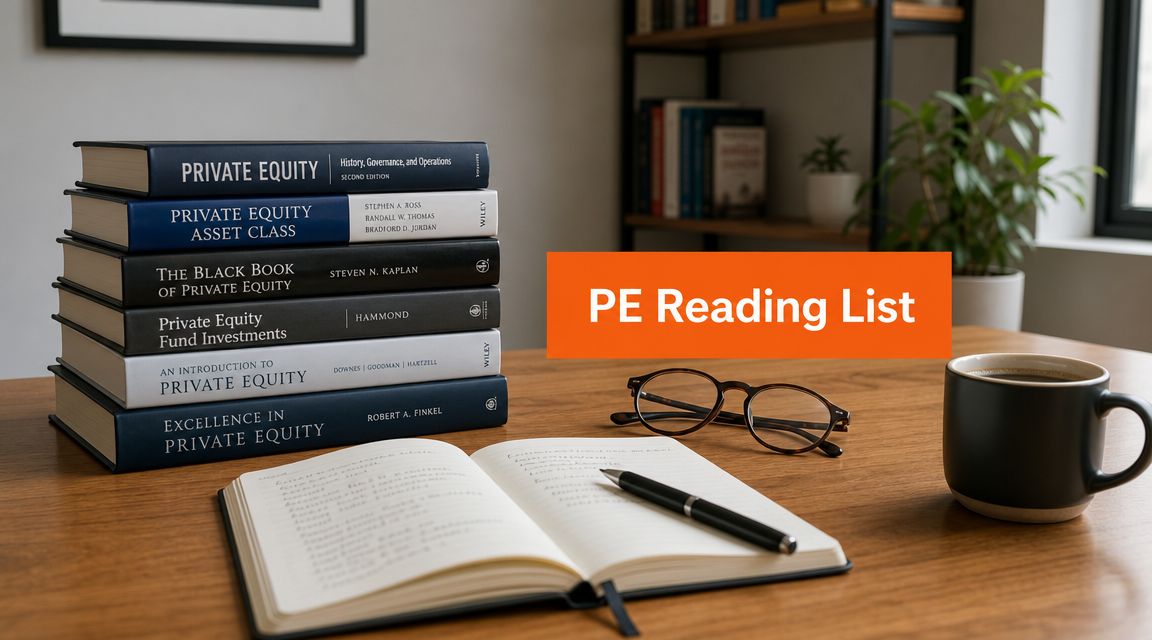
Your Secret Reading List for Dealing With Private Equity
You're busy building your brand, and then one day an email lands in your inbox. A private equity firm wants to talk. If you haven't lived in this world before, it feels like getting invited into a poker game where everyone else already knows the tells. That's why I'd get fluent in the language fast, starting with a plain-English guide to private equity terms.
I don't think founders need an academic reading list. You need books about private equity that answer the questions running through your head right now. What do they want from me? What is my advantage? What changes after the deal closes? Which books truly help me, and which ones just tell good stories about rich guys doing rich-guy deals?
This is the list I'd hand to a founder friend before their first PE meeting. Some of these books give you motive. Some give you mechanics. Some show you the bill that comes due after the champagne.
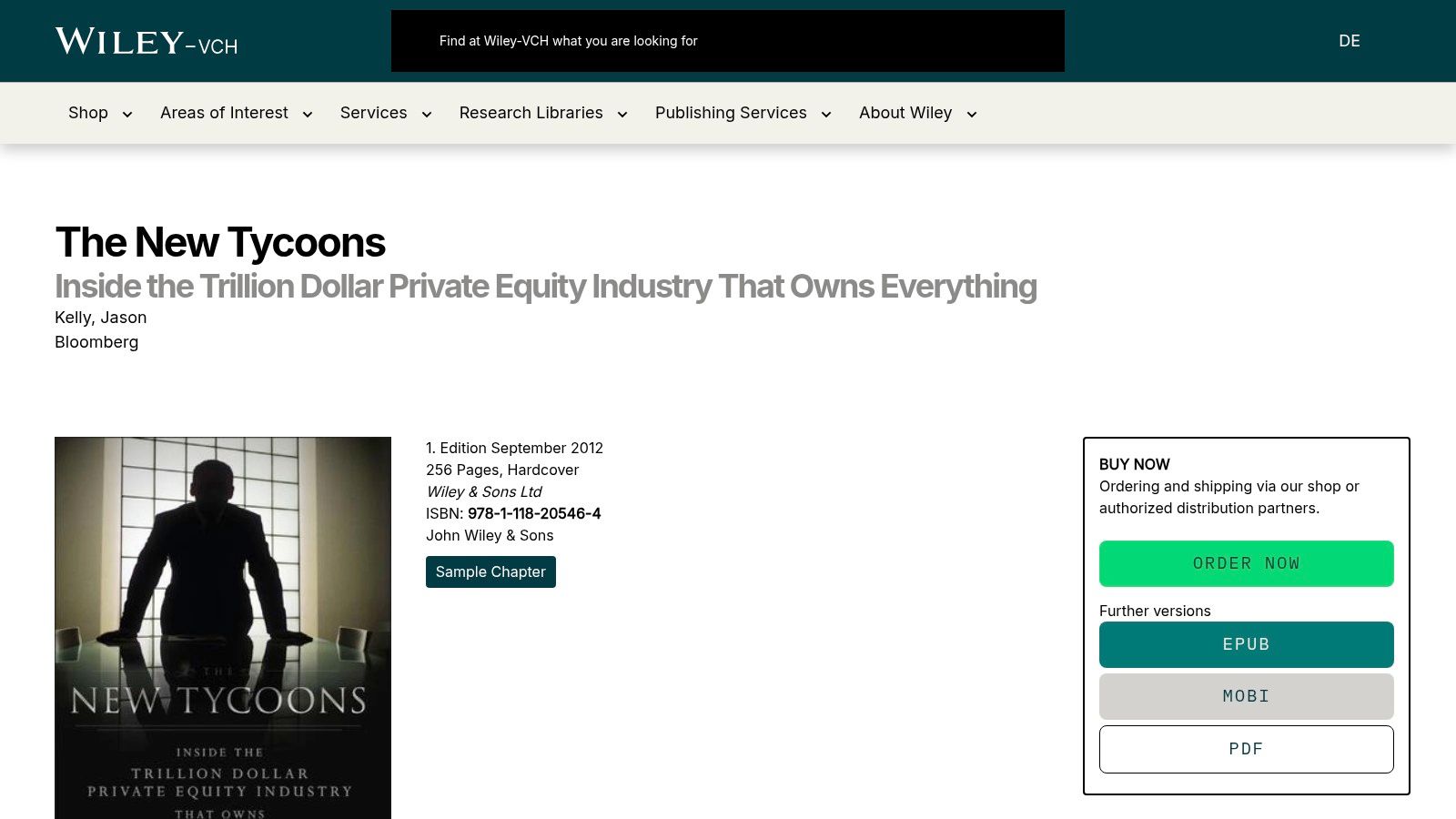
1. The New Tycoons: Inside the Trillion-Dollar Private Equity Industry That Owns Everything (2012)
Start here if private equity still feels foggy. This book gives you the map before you start arguing about the route. It reads like a guided tour through the firms, personalities, and habits that shaped modern buyouts.
I like it for first-time founders because it lowers the intimidation factor. You stop seeing PE as a secret society and start seeing it as a business with incentives, patterns, and people trying to win. That shift matters.
What question it answers
It answers the first founder question: what do these people want?
The answer isn't mystical. They want returns, control where they can get it, and a path to exit. A readable industry overview helps you spot the difference between a firm that wants to partner and a firm that wants to rewire your company around its timeline.
Practical rule: Read this before your first management meeting with any buyout firm. You need context before you need tactics.
Here are the three takeaways I'd pull into the room with me:
- Learn the firm archetypes: Some buyers act like operators, some act like financial engineers, and some act like asset gatherers. This book helps you tell them apart early.
- Watch the origin story: How a PE firm grew often shapes how it behaves now. If you're meeting regional capital sources, it also helps to understand your local funding ecosystem, including venture capital in Chicago.
- Listen for the exit logic: If a buyer can't explain the likely next owner in plain English, I assume they don't yet have a clean thesis.
If you want books about private equity that get you oriented without drowning you in formulas, this is a strong first pick. You won't get a step-by-step deal playbook. You will get enough context to stop sounding naive.
Read more at the Wiley page for The New Tycoons.
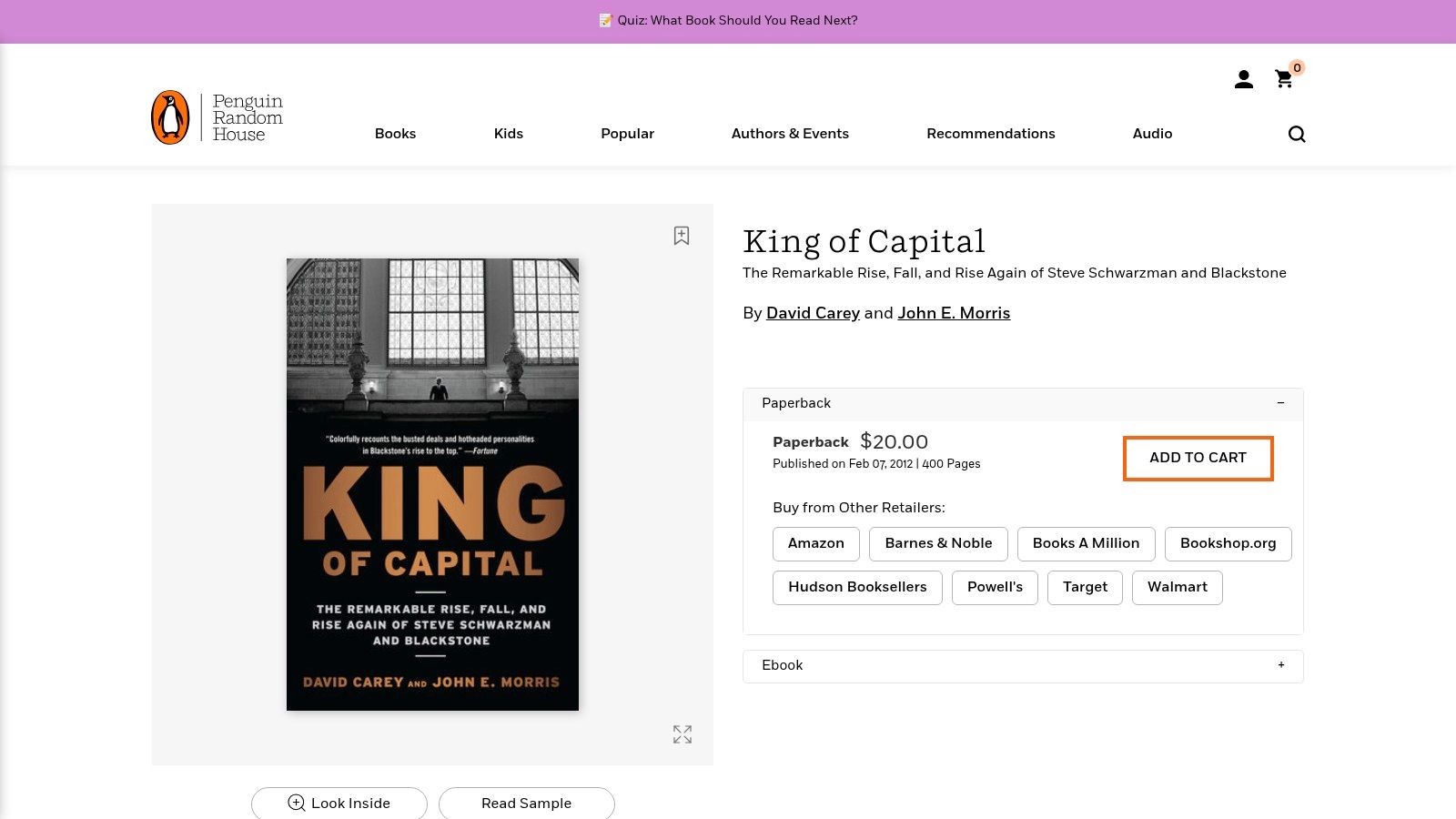
2. King of Capital: The Remarkable Rise, Fall, and Rise Again of Steve Schwarzman and Blackstone (2010)

If you only read one “big firm” story, read this one. In the verified data, King of Capital is called out as one of the most frequently recommended introductory books because it traces KKR's rise and the buyout boom that shaped private equity's public image, and it was published in 2011 according to this roundup on private equity books.
I like this book because it teaches power. Not abstract power. Deal power. Reputation power. Capital-cycle power. You start to see how large firms think when credit is loose, when credit tightens, and when size itself becomes strategy.
What question it answers
Read this when you're asking: how does a large PE firm think when it's sizing me up?
A founder often mistakes friendliness for alignment. This book helps cure that mistake. Big firms can be polished and still be ruthless. In fact, the polish is often part of the machinery.
Three things I'd underline:
- Scale changes behavior: The bigger the fund, the more a buyer cares about platform potential, follow-on acquisitions, and exit pathways.
- Narrative is part of the deal: Great firms sell a story to lenders, LPs, management teams, and future buyers. You need your own story too.
- Cycles matter: A good offer in one market can be a weak offer in another. Don't judge a term sheet outside its financing context.
Big firms don't just buy businesses. They buy options on future moves.
This isn't a how-to manual. It's better than that for a founder who needs pattern recognition. Read it and you'll stop taking every sentence at face value.
You can find it on the Penguin Random House page for King of Capital.
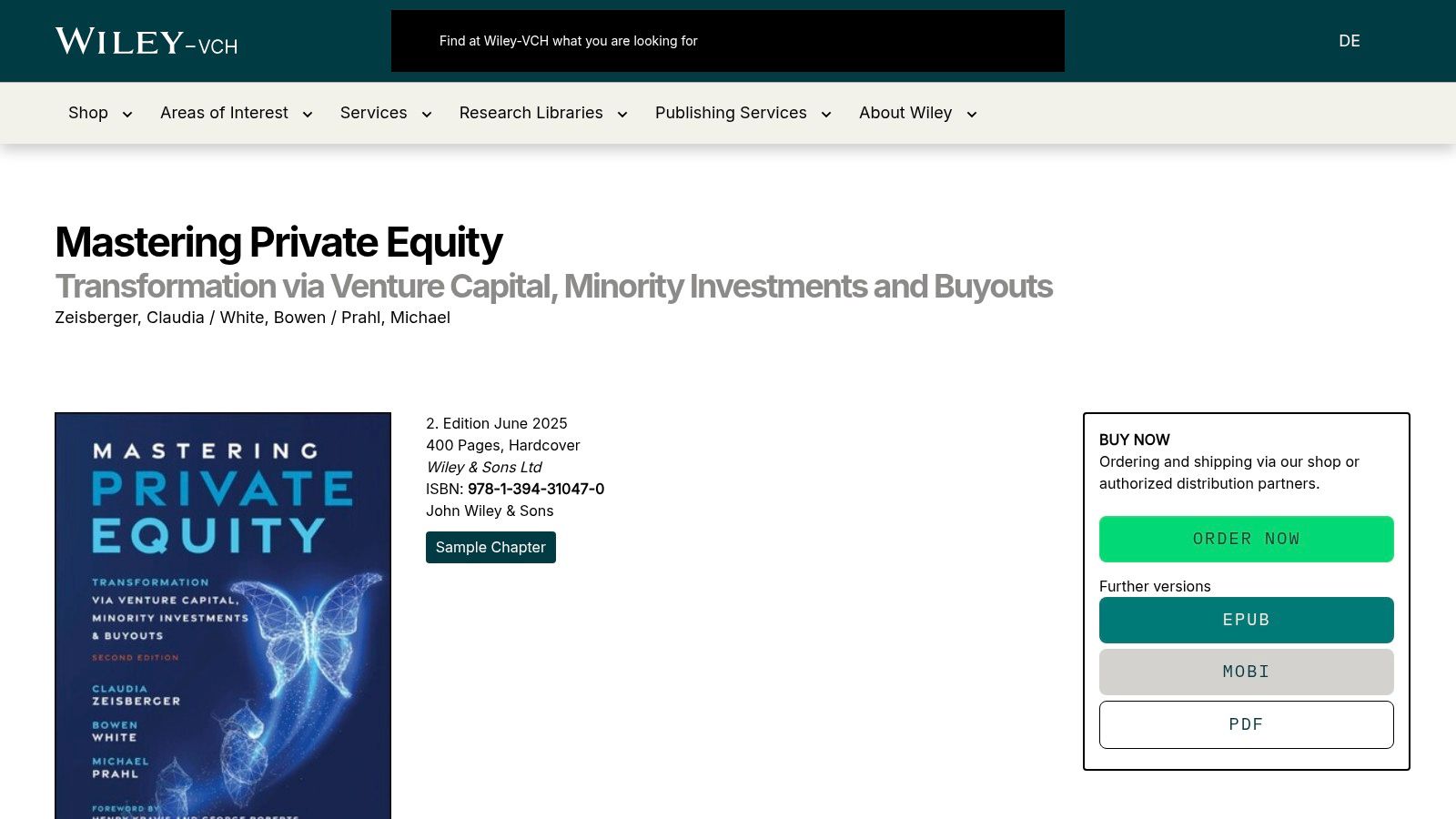
3. Mastering Private Equity (2nd ed., 2025)
This is the book I'd keep on my desk, not just on my shelf. When I want the broad field manual, this is the one I reach for. It has range. Venture, growth, buyouts, secondaries, private debt, exits, fund formation. It's the closest thing on this list to a real operator reference.
That matters because the market for books about private equity is now broad enough to support specialization. Verified data notes that PEI's bookstore lists more than 20 titles across private equity, private real estate, infrastructure, and private debt, which you can see summarized in Private Markets Insights on PE books.
What question it answers
This book answers: how do I negotiate when I need the mechanics, not the mythology?
If the earlier books tell you how the casino works, this one helps you count the chips on your table. It gives you the vocabulary and structure to ask sharper questions about process, economics, control, reporting, and exits.
Use these takeaways today:
- Separate headline price from deal reality: Price is one line. Governance, rollover, earn-outs, debt load, and post-close control are the actual stack.
- Study the post-close chapters before you sign: Most founders spend too much time on courtship and too little on marriage.
- Use books with live data tools: The literature alone won't carry you through an actual market process. Verified guidance from Michigan's Kresge library says PitchBook is useful to “establish benchmarks” and “find live data on deals,” and notes coverage of more than 700,000 private companies in the Kresge guide to private equity deals.
My blunt take
If you're serious, pair this book with a deals database. Reading without benchmarks is like trying to buy a house after only reading architecture books.
Read more on the Wiley page for Mastering Private Equity.
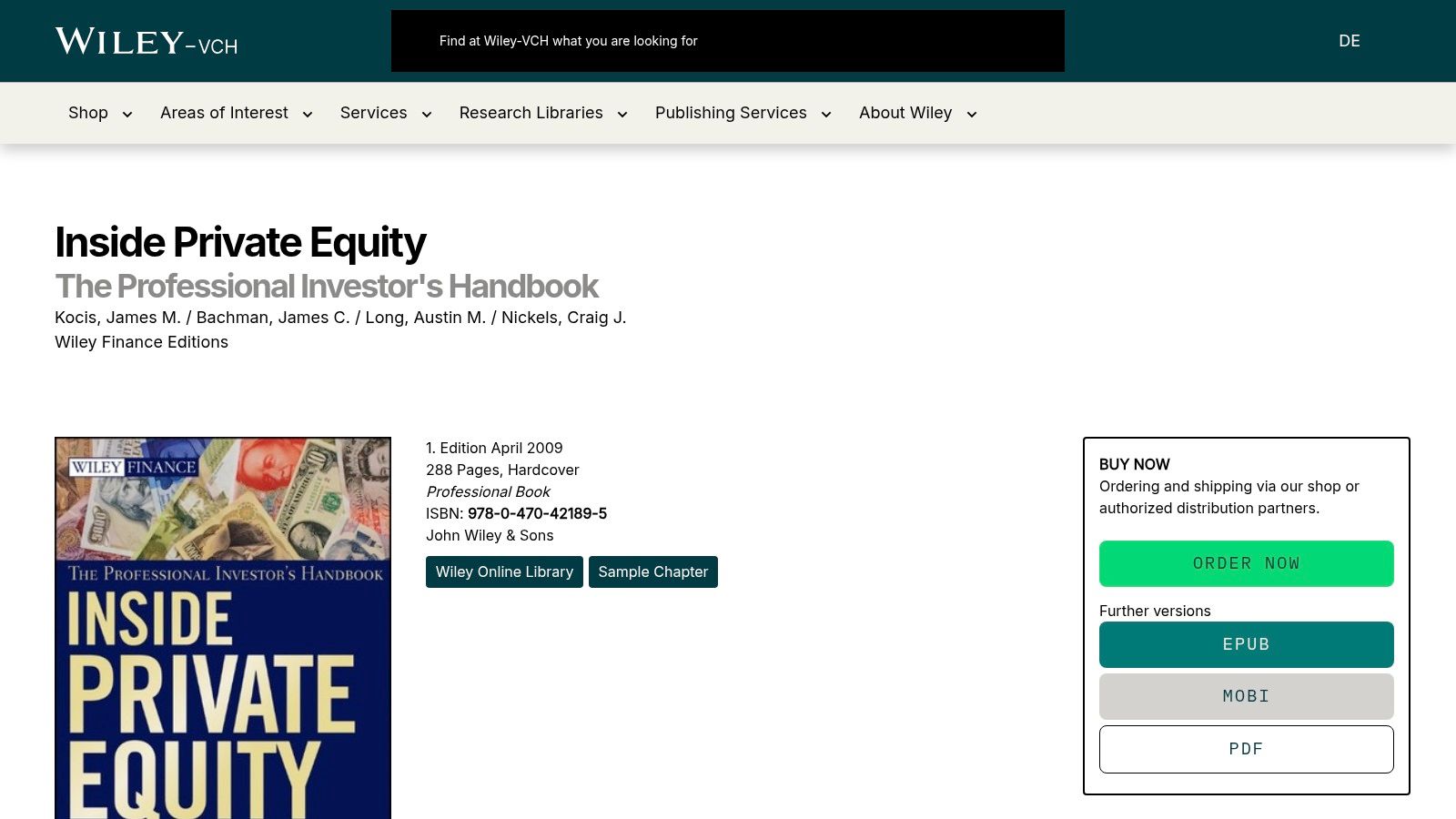
4. Inside Private Equity: The Professional Investor's Handbook (2009)
This one is for the founder who gets itchy when someone waves around IRR, cash flow projections, and portfolio reporting jargon. Good. You should get itchy. Numbers can clarify, but they can also hide a bad deal inside a clean spreadsheet.
I wouldn't hand this to someone brand new. But if you're in diligence, or close to it, this book helps you inspect the math instead of admiring it from a distance.
What question it answers
It answers: how do I keep from getting outgunned by finance people in the room?
The strongest part is the process mindset. Templates. Checklists. Reference-call thinking. Audit-style discipline. It helps you stop reacting and start interrogating.
Three practical takeaways:
- Interrogate the metric, not just the conclusion: Ask how returns are framed, what assumptions drive the model, and which outputs management is supposed to optimize.
- Build your own diligence question bank: If you're preparing for investor conversations, this guide pairs well with practical founder prep like how to find investors for small business.
- Treat reporting cadence as power: Whoever controls the reporting framework often controls the narrative about performance.
When a buyer says, “The numbers speak for themselves,” I assume the numbers need translation.
This is one of the more technical books about private equity on the list. That's why I like it. It forces precision, and precision protects founders.
You can get it from the Wiley page for Inside Private Equity.
5. Private Equity at Work: When Wall Street Manages Main Street (2014)
A lot of founders read only the deal books. That's a mistake. You also need one book that forces you to ask what happens after ownership changes hands. This is that book.
I'd put it in the hands of any founder who employs people they care about. If you're deciding whether to sell, partner, or hold, you need a clearer picture of how ownership choices ripple through payroll, culture, decision rights, and the day-to-day life of the company.
What question it answers
This book answers: what happens after the deal?
That's the question many PE meetings dodge. They'll talk about growth plans, talent, and strategic support. Fine. Ask what operating changes usually follow, who bears the strain, and how fast new owners will push.
Here are the three takeaways I'd use:
- Map the human cost before you sign: Governance changes are not abstract when your team feels them in hiring plans, budgets, and pressure.
- Ask buyer questions tied to reality: I'd use a practical diligence mindset like the one in these questions to ask when buying a business, then flip those questions back onto the buyer.
- Don't confuse operational discipline with operational wisdom: Some buyers cut fast because cutting is easier than building.
Why I keep this on the list
The verified data points to a big gap in the market. Most books about private equity keep recycling the same institutional stories and often miss practical guidance for founders and operators, especially around diligence, governance, unit economics, add-ons, and when not to sell, as noted in this review of common PE book lists.
That's why this book earns its spot. It forces the founder lens back into the conversation.
Read more on the Russell Sage Foundation page for Private Equity at Work.
6. Private Equity Laid Bare (3rd ed., 2021)
If you hate hype, you'll like this one. It strips the mystique out of PE performance talk. Fees, benchmarking, returns language, and the gap between marketing and measurement. This book pushes you to ask, “Compared to what?”
That's healthy. Founders hear a lot of polished language in a sale process. Some of it is smart. Some of it is theater with a spreadsheet attached.
What question it answers
It answers: how do I sanity-check what I'm being told?
You don't need to become an LP to benefit from this book. You just need the instinct to test claims instead of nodding along.
Three takeaways to use right away:
- Benchmark every big claim: If a buyer says your company fits a repeatable playbook, ask what comparable situations looked like.
- Get clear on fees and incentives: Incentives shape behavior. Always ask who gets paid for what outcome.
- Translate prestige into specifics: A famous fund name doesn't tell you what your board meetings will feel like.
The cleanest sentence in any PE process is often the one that gets examined the least.
I also like this book because it pushes against lazy hero worship. It's one of the better antidotes to founder intimidation.
You can find the companion site at PE Laid Bare.
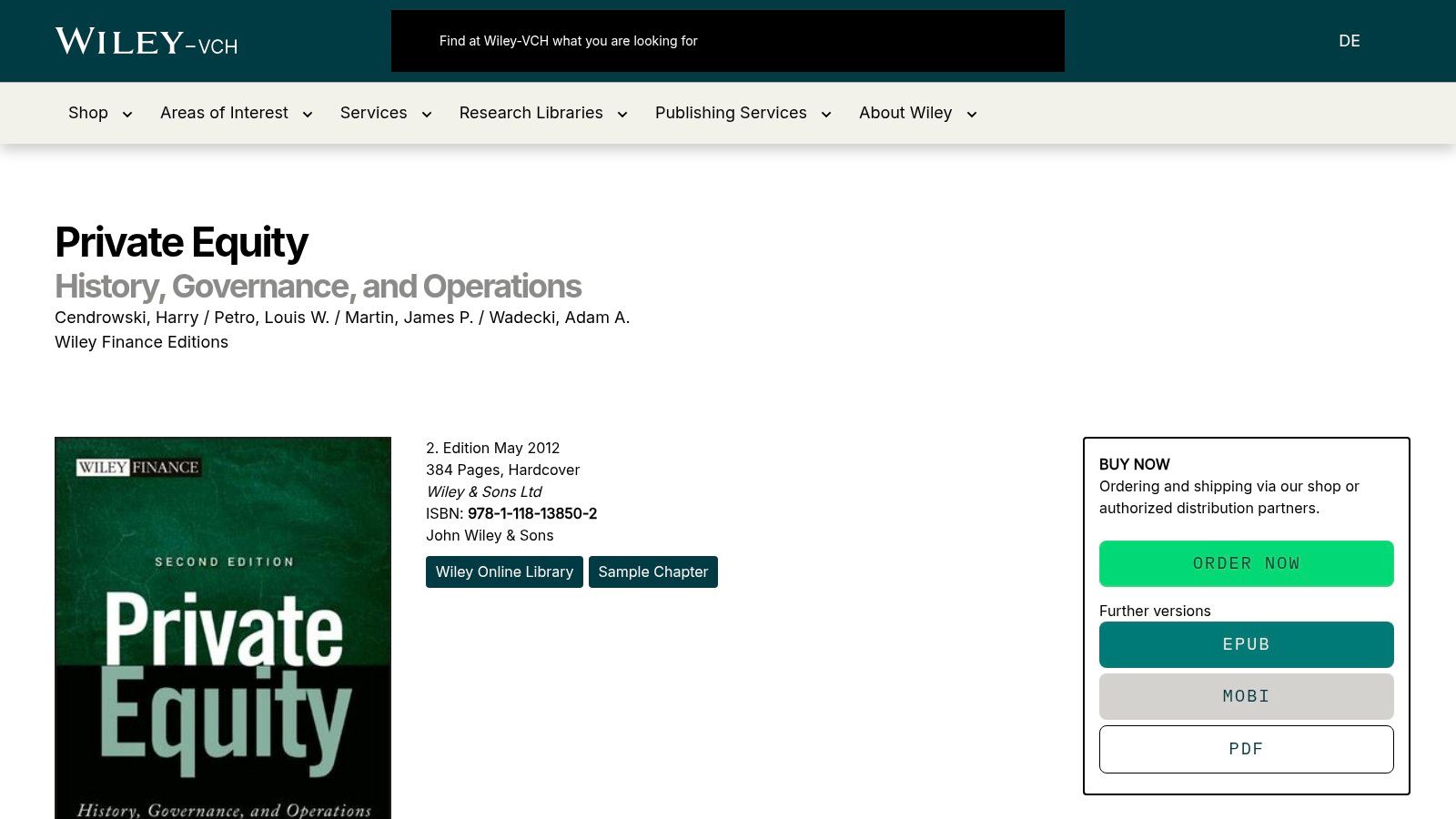
7. Private Equity: History, Governance, and Operations (2nd ed., 2012)
This is the book for founders who know the actual fight often starts after the check clears. Board structure. Controls. Due diligence. Fraud risk. Operational review. If your business has physical operations, inventory, manufacturing, or messy workflows, this one gets more useful.
It's less fun than the narrative books. I don't care. Some of the most expensive founder mistakes happen in the boring parts.
What question it answers
It answers: how do I protect myself after the deal and inside the boardroom?
You need a governance lens if you're going to live with investors. Terms on paper are one thing. Weekly operating control is another.
Use these three takeaways:
- Define governance before stress hits: Who approves what, who gets information when, and what triggers intervention.
- Treat diligence as two-way: You're not only being inspected. You should inspect the buyer's operating style, controls, and board behavior too.
- Get legal literacy around capital raising: If you need a simpler primer on deal structures and securities concepts, start with Kons Law's private placement guide.
One more blunt truth
Verified data says a second underserved angle in books about private equity is what's changing right now. Newer coverage is starting to shift toward healthcare and operating playbooks, but many lists still lean on old mega-buyout stories instead of today's tighter exit conditions and sector specialization, according to this recent commentary on PE reading lists.
That's why I use this book for governance basics, then I pair it with current market reading. Old structure, current context. That combo works.
Read more on the Wiley page for Private Equity: History, Governance, and Operations.
Private Equity Books: 7-Title Comparison
| Title | 🔄 Complexity | ⚡ Resource requirements | 📊 Expected outcomes | 💡 Ideal use cases | ⭐ Key advantages |
|---|---|---|---|---|---|
| The New Tycoons (2012) | Low, journalistic, easy read | Low time & cost; multiple formats | Broad cultural/contextual understanding of PE | Founders and non‑specialists preparing for intro meetings | Accessible storytelling; firm profiles and historical through‑lines |
| King of Capital (2010) | Low–Medium, narrative biography with deal detail | Moderate time; trade paperback/e‑book | Firm‑level insight into large‑cap strategy and leverage dynamics | Executives engaging with late‑stage or mega‑funds | Inside access deal narratives; clarifies mega‑fund priorities |
| Mastering Private Equity (2nd ed., 2025) | High, comprehensive technical textbook | High time & cost; reference‑style use | Up‑to‑date, end‑to‑end competence on deals, funds, exits | Founders/operators/investors needing a practical reference | Comprehensive, current coverage; practical dip‑in layout |
| Inside Private Equity (2009) | High, dense practitioner manual | Moderate–high time; templates speed workflows | Strong technical command of IRR, reporting and diligence | Operators, emerging LPs during due diligence and reporting | Actionable templates; deep focus on measurement and process |
| Private Equity at Work (2014) | Medium, empirical and analytical | Moderate time; evidence‑based reading | Clear view of PE's effects on jobs, operations and communities | Founders, employees and stakeholders evaluating social/operational impact | Data‑driven case studies and policy context |
| Private Equity Laid Bare (3rd ed., 2021) | Medium, evidence‑first, accessible | Moderate time; companion hub for updates | Ability to critically assess returns, fees and performance claims | LPs, academics, and founders sanity‑checking firm claims | B.S. detector: clear performance analysis and ongoing resources |
| Private Equity: History, Governance, and Operations (2nd ed., 2012) | High, structured, governance/controls focus | Moderate–high time; academic tone | Practical understanding of governance, controls and ops due diligence | Board members and operators of manufacturing/ops‑heavy firms | Strong governance and internal controls guidance for post‑deal operation |
Turn Your Reading Into Action
Reading these books gives you an advantage because you stop walking into PE conversations as the least informed person in the room. You start hearing what's being said. You catch the incentives behind the language. You stop getting dazzled by polish.
But books alone won't save you. A reading list can sharpen your judgment, but judgment gets stronger when you test it with other founders who've sat through the same meetings, signed the same papers, or walked away when the fit was wrong. That's where honest conversation matters more than one more chapter.
I'd use the books this way. Read The New Tycoons or King of Capital to understand motive. Read Mastering Private Equity and Inside Private Equity when the process gets real. Read Private Equity at Work and the governance titles before you agree to live with a new owner. That order keeps you from over-focusing on headline valuation while ignoring control, reporting, and life after close.
There's also a simple truth here. Most founders don't need more performance. They need more candor. They need someone to say, “That term sounds fine, but the board structure will hurt you,” or “That buyer likes add-ons, so your company may become the platform for a roll-up whether you want that or not.”
That's why I like founder communities that value straight talk over theater. If you're a kind, bold founder in the Midwest, Chicago Brandstarters is built for exactly that kind of conversation. You can bring your actual experiences there. The fear, the confusion, the negotiation stories, the near-misses, the deal you regret, the one you walked away from. If you want one more plain-English explainer before those conversations, Homebase explains private equity funds in a way that's easy to follow.
Read the books. Then talk to people who know what those books feel like in real life.
If you're building in Chicago or the Midwest and you want honest founder conversations instead of fake networking, join Chicago Brandstarters. It's a free, vetted community where kind, bold builders meet in small private dinners and keep talking in a real group chat. If you're navigating investors, growth, or a possible exit, you'll get sharper faster around the right table.
Leave a Reply