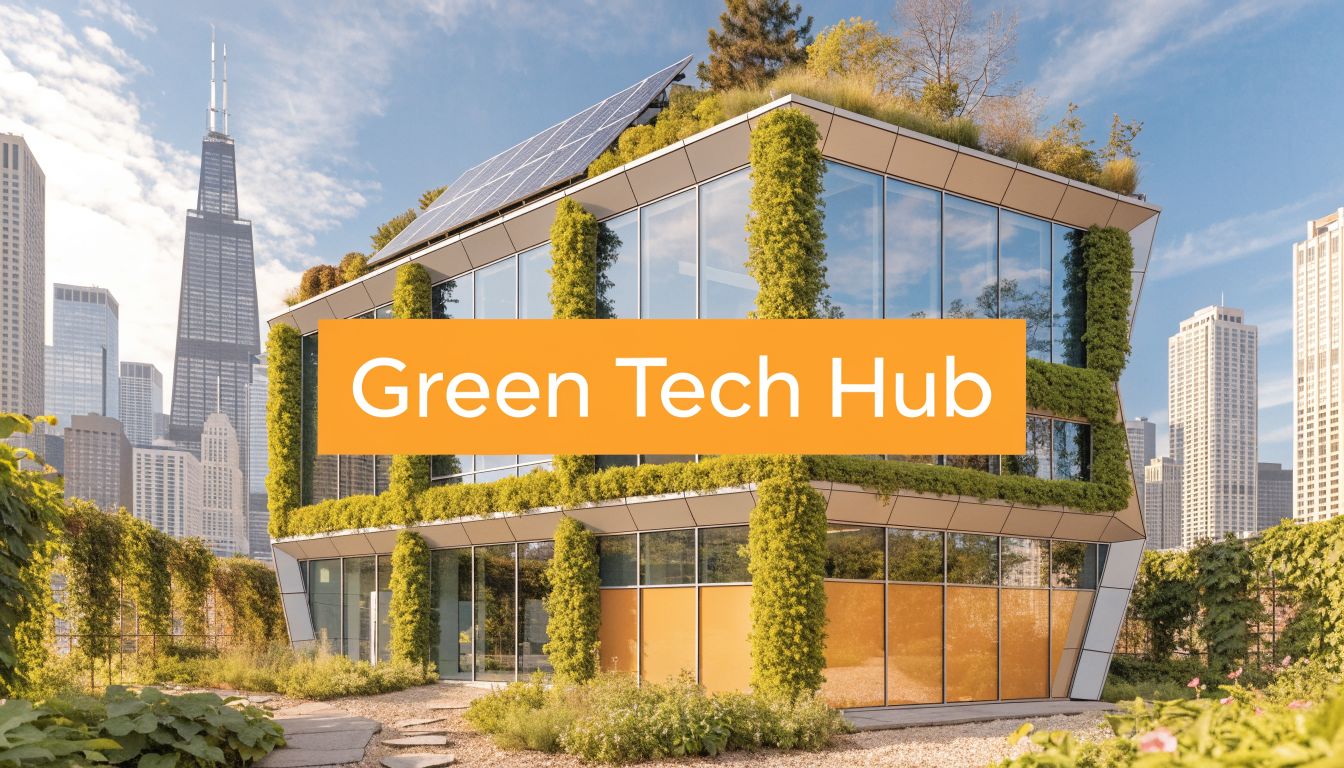
A few years ago, I walked into a “sustainability” conversation expecting the usual theater. Buzzwords, glossy decks, no practical payoff. Then I spent time learning what the center for green technology chicago represents, and my reaction changed fast: this place isn’t branding fluff. It’s a founder resource hiding in plain sight.
If you’re building in Chicago, you should care. Not because it sounds noble, but because it offers a sharper way to think about talent, operating costs, credibility, and how to turn a messy problem into a business advantage.
Why This Old Building Is Your New Secret Weapon
Most founders hear “green technology” and mentally file it under “nice later, after revenue.” I think that’s a mistake.
The center for green technology chicago matters because it turns sustainability into something useful. Useful means lower waste, smarter facilities, stronger storytelling, and better alignment between what you say and how you run the business. If you’re serious about building a durable company, that matters now, not someday.
Stop treating sustainability like a PR add-on
A lot of early founders approach this backward. They think brand first, operations later. That’s like painting a race car before you’ve fixed the engine.
The stronger move is to use sustainability the way you’d use good accounting or supply chain discipline. It’s infrastructure. When you build it into your company early, you make cleaner decisions on space, utilities, materials, vendors, and hiring.
Practical rule: If your “green” story doesn’t change how you operate, it’s just copywriting.
That’s why I like this place. It isn’t abstract. It has a real history, real systems, and real examples you can learn from without pretending you need to become an architect or climate expert overnight.
What founders can actually pull from it
You don’t need to become a clean-tech startup to benefit. You can use the center as a local playbook for three founder priorities:
- Sharper positioning: If customers, partners, or retailers ask what you stand for, you can point to concrete operating choices instead of vague values.
- Better talent conversations: Mission still matters. Practical mission matters more. People want to work on something that isn’t fake.
- Smarter cost thinking: Energy, water, and space decisions look boring until they hit your margins.
Here’s the simple truth. Chicago gives founders a rare asset in this building. Most cities have people talking about sustainable business. This city has a place that demonstrates it in a practical setting.
My take
I wouldn’t treat the center for green technology chicago as a sightseeing stop. I’d treat it like a field manual.
If you’re building a product brand, a light manufacturing operation, a service firm, or even a scrappy startup team looking at office space, this is the kind of local advantage worth stealing from.
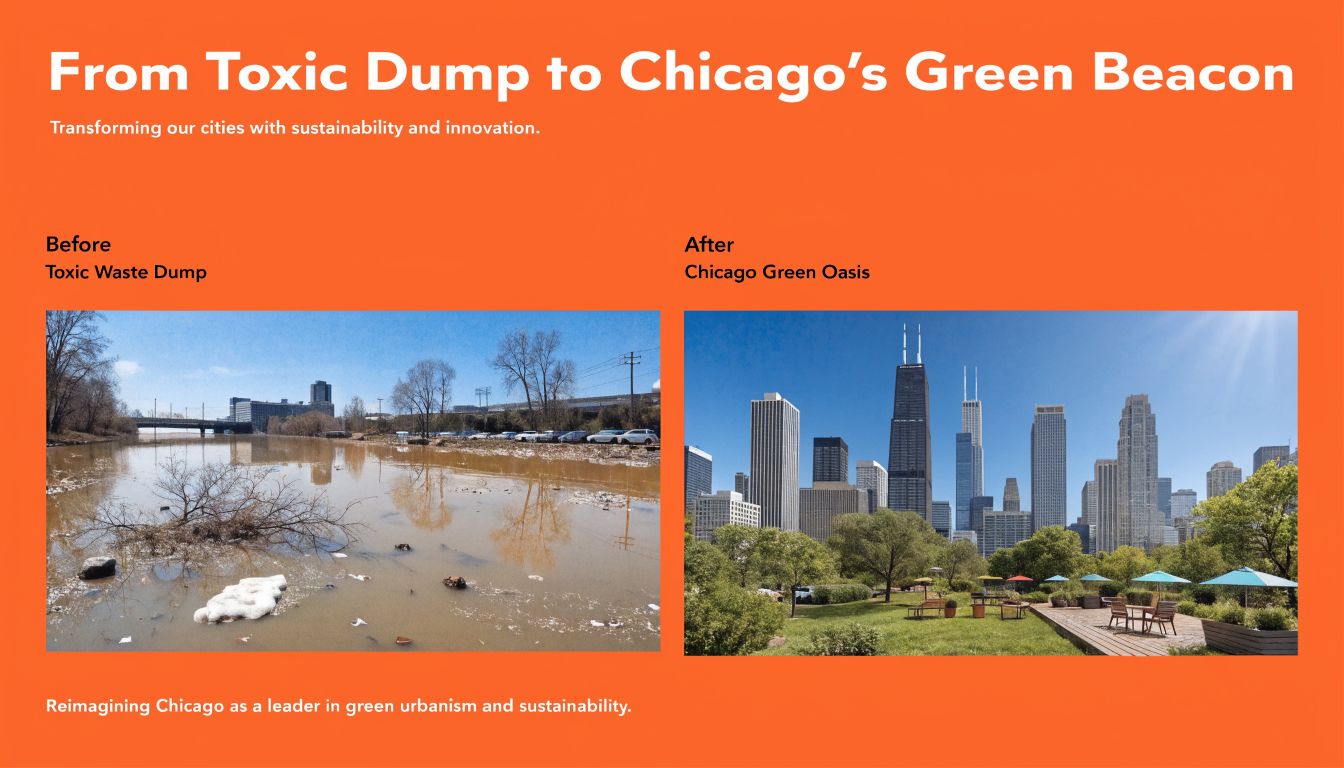
From Toxic Dump to Chicago's Green Beacon
A founder friend once told me he was waiting for the perfect setup before he fixed his operations story. Better space. Better systems. Better optics. I told him that was backwards. Chicago’s best sustainability case study started with a trashed site that nobody would brag about.
That is why this history matters.
Before the Center for Green Technology became a respected civic asset, the site was tied to illegal dumping and heavy cleanup. The city turned a contaminated problem into a working example of sustainable redevelopment. I care about that because it shows what serious operators do. They improve the asset in front of them. They do not wait for a cleaner origin story.
If you are building in Chicago, steal that discipline.
Founders love to talk about vision. Customers, hires, and partners respond to proof. A turnaround story gives you proof. It shows you can spot waste, fix what is broken, and turn an ugly constraint into an advantage people can see.
Here’s the lesson I’d take from the center’s past:
| Founder problem | What this site proves |
|---|---|
| Messy starting point | You can build credibility after a rough start |
| Weak trust | Visible improvements earn belief faster than promises |
| Bad asset or location | Smart redesign can change how people value it |
| Skeptical market | Performance changes the conversation |
I have seen Chicago founders miss this. They hide the early mess and rush to sound polished. That usually makes the brand feel thinner, not stronger. The better move is to show the rebuild. Show the choices. Show what changed and why it works now.
That is the essential power of this building’s backstory. It is not civic trivia. It is a founder playbook.
Use it on your own business. If your space wastes energy, fix it and talk about the savings. If your supply chain looks sloppy, clean it up and make that part of your pitch. If your brand says you care about sustainability, prove it through operations people can inspect.
I would back that founder every time.
The center for green technology chicago stands out because it reflects a hard truth about building in this city. Great businesses are often rebuilt, not born polished.
The Green Business Toolkit You Can Access Now
The first time I looked closely at the center, I did not see a civic attraction. I saw a founder advantage hiding in plain sight.
Chicago entrepreneurs waste money in boring places. Utility bills nobody questions. Packaging choices made in a rush. Workspaces that make teams less efficient every month. The Center for Green Technology gives you a practical way to tighten those leaks before they turn into permanent overhead.
Tool one is access to talent with the right instincts
The center has long been tied to green job training and mission-driven organizations, including GreenCorps Chicago, as noted earlier. That matters more than it sounds.
If you run operations, events, a product business, or a community-based company, you do not need employees who can recite sustainability buzzwords. You need people who notice waste, respect systems, and care how a place runs. Those habits save money. They also make your company sharper.
I would treat this ecosystem as a talent filter. Spend time around its programs and events, then watch who asks smart questions, follows through, and understands the link between mission and execution.
Tool two is a better way to audit your business
Use the center as a prompt for a hard review of your own setup.
Ask questions like these:
- Space: Does your office, studio, or shop burn money because the layout, lighting, or equipment choices were lazy?
- Water and maintenance: Are you paying for avoidable upkeep because nobody set standards early?
- Materials: Are cheap inputs creating rework, waste, or customer disappointment later?
- Team habits: Do people know how to reduce waste in daily operations, or is every process running on autopilot?
That is the operational lesson here. Good sustainability practice usually starts as good cost control. If a decision lowers waste, cuts recurring expenses, and makes your business easier to trust, keep it.
If you want more chances to meet people who think this way, start showing up at Chicago technology and sustainability events for founders.
Tool three is brand proof you can defend
A lot of founders want the upside of a green brand without doing the work underneath it. Bad move.
Customers can tell when your message is cosmetic. Partners can tell too. The center is useful because it pushes you back to real operating choices. What do you buy? How do you run your space? What do you throw away? What did you fix after you noticed waste?
Those are brand decisions. They shape trust faster than a polished About page.
Here is the play I recommend:
Audit what you already control
Review your space, equipment, materials, packaging, vendors, and disposal habits.Pick one visible fix
Choose a change your team can maintain and your customers can understand.Record the reason
Write down why you made the change, what it improves, and what standard it sets going forward.Use that proof in hiring and sales
Show candidates and customers that your company follows through, not just talks well.
One honest operational improvement beats a page of vague claims.
My advice
Use the center for what it really offers. A practical model for building a company that wastes less, spends smarter, and earns trust the hard way.
That is why I like it so much for founders. It helps you build a sustainable brand by fixing the business first.
Forge Partnerships and Find Your Green Community
You can learn a lot by visiting a place. You get a lot more when people there know your name.
That’s the leap most founders miss. They consume resources but never join the ecosystem around them. The center for green technology chicago is more valuable when you treat it like a node in a network, not just a destination.
Why community beats isolated learning
Reading about green operations is fine. Talking with people who live it is better.
The center has housed mission-aligned tenants and public-facing activity over the years. That creates a kind of proximity advantage. When you spend time around builders, educators, and operators who care about practical sustainability, your own standards rise. You start asking sharper questions about sourcing, facilities, events, partnerships, and public trust.
That kind of community is especially useful if you feel stuck between worlds. Maybe you’re not a climate startup, but you don’t want to build a shallow company either. Good. You don’t need a label. You need peers and collaborators who take the work seriously.
Ways I’d plug into the ecosystem
I’d think in layers, not one-off visits.
- Show up where practitioners gather: Workshops, tours, and local events give you a low-friction way to meet people who care about similar problems.
- Look for co-hosting opportunities: If you run a product brand, maker business, or community program, there may be room to collaborate around education or local engagement.
- Explore adjacency: If you want more local tech and innovation context, I’d also keep an eye on Chicago technology events and founder gatherings.
Partnership is a positioning move
A smart partnership does two things at once. It expands your network, and it signals what kind of company you’re becoming.
That doesn’t mean slapping logos together. It means finding a genuine overlap between your business and the center’s broader mission. If your company touches physical products, local services, built environments, education, or community engagement, there’s likely a relevant angle.
The fastest way to stop feeling like an outsider in a scene is to contribute something useful.
That’s the move. Don’t ask only, “What can I get from this place?” Ask, “What can I add to this ecosystem that also grows my business?” Founders who answer that well usually build better reputations than founders who just collect contacts.
Under the Hood The Tech Powering the Center
A lot of people admire sustainable buildings the way they admire a nice car. They like the look, but they never open the hood.
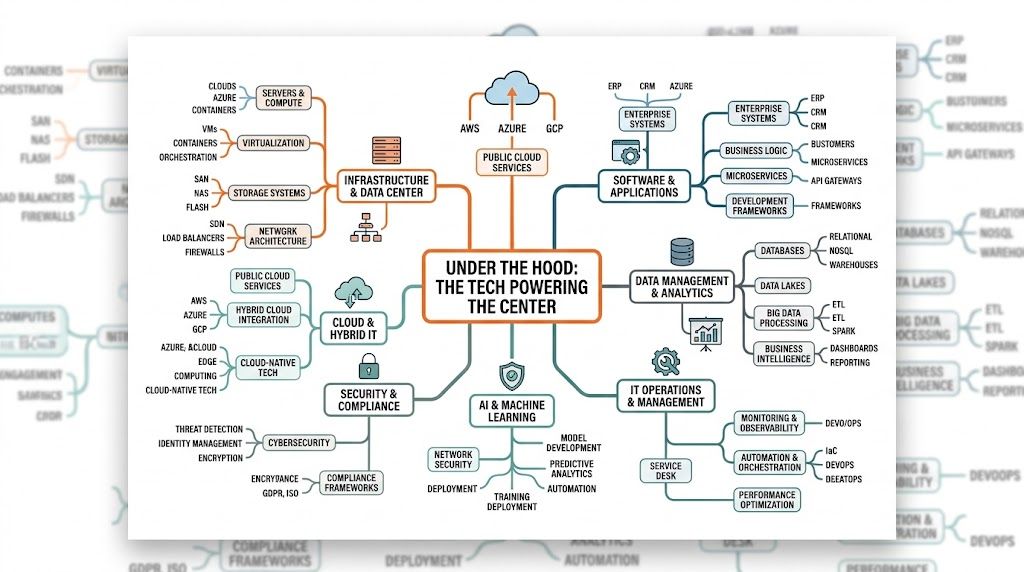
You should open the hood. The center for green technology chicago becomes much more useful when you understand the machine inside it. This building isn’t interesting because it sounds green. It’s interesting because the systems work together.
The headline numbers are strong because the systems are integrated
The center uses 40% less energy than a code-compliant equivalent, with a Performance Energy Use Intensity of 33kBTU/SF. It gets there through 28 geothermal wells for heating and cooling, rooftop and window shade photovoltaic panels generating 20% of electrical demand, and a 3,000 sq. ft. green roof that lowers roof temperatures by 30 to 40°F, according to Farr Associates’ project page for the Chicago Center for Green Technology.
That’s not a random collection of gadgets. It’s a coordinated operating model.
Think of the building like a smart founder stack
Here’s the simple analogy I use.
- Geothermal wells are the base layer. They’re like owning strong backend infrastructure instead of paying for constant emergency fixes.
- Solar panels are the on-site production layer. They offset demand instead of leaving the building fully exposed to outside supply.
- The green roof is thermal protection. It reduces heat stress before the HVAC system even has to respond.
Good companies work the same way. The best operators don’t solve every problem at the most expensive point. They design upstream systems that reduce downstream cost.
What founders should actually learn from the tech
Don’t get hung up on whether your business can install the same systems. Most early companies can’t. That’s not the lesson.
The lesson is integration.
| System | Founder translation |
|---|---|
| Geothermal | Build efficient foundations first |
| Solar | Create some self-reliance in operations |
| Green roof | Reduce strain before it becomes expense |
This is why I get frustrated when founders chase one flashy initiative. A single upgrade rarely saves a messy operation. A stack of mutually reinforcing decisions does.
The building also teaches visibility
One thing I respect about this center is that the technology isn’t treated like hidden plumbing. It’s part of the building’s identity.
That’s smart. If you invest in better systems, let people understand them. Not in a preachy way. In a clear way. Customers, employees, partners, and visitors trust what they can see and understand.
If you build physical products, local retail, hospitality, manufacturing, or studio operations, this principle travels well. Make your process legible. Let people see the care.
For founders working on products and modern fabrication, that same “show the process” mindset also lines up well with Chicago’s 3D printing and prototyping scene, where the build process itself often becomes part of the value.
A good system lowers cost. A visible good system also builds trust.
My opinion on what matters most
The biggest lesson here isn’t solar. It isn’t geothermal. It isn’t the green roof by itself.
It’s that disciplined design compounds. When multiple systems reduce load, generate value, and support each other, performance improves without drama. That’s exactly how a strong business works too. Better hiring, better vendor choices, better space planning, better process design. None sounds glamorous alone. Together, they change your margins and your brand.
How to Get Plugged In A Practical Guide
Many individuals lose momentum right here. They get interested, then they stall because they don’t know the next move.
I hate that. So keep this simple. If you want to get value from the center for green technology chicago, act like a founder, not a tourist. Go in with a use case.

Step one, define your reason before you reach out
Pick one reason. Not five.
Maybe you want to:
- Explore greener facilities choices for a studio, warehouse, or office
- Learn from stormwater and site design before touching a property project
- Find local sustainability-minded people for partnerships or hiring
If your reason is fuzzy, your outcome will be fuzzy too.
Step two, study one practical model you might replicate
The center’s site design offers a useful example. Its bioswales and pervious surfaces can filter runoff equivalent to a 2-inch storm event, reducing sewer overflows by 80 to 90% onsite. The same project page notes that replicating green infrastructure can open doors to EPA Brownfields Program grants up to $200K per site, and similar setups in major markets have been linked to 15 to 25% property value uplift, according to the Greenroofs.com profile of the Chicago Center for Green Technology.
If your business touches property, light industrial space, adaptive reuse, landscaping, or any physical footprint at all, this is worth studying. Water management sounds boring until city infrastructure, compliance, and property value all show up in the same conversation.
Step three, plug into the wider founder pipeline
Don’t isolate this effort from the rest of your growth. If you’re still figuring out where your startup belongs in the local ecosystem, I’d also browse Chicago small business incubator options so your sustainability learning sits inside a broader support system.
That combination works better than trying to solve everything through one institution.
My founder checklist
Use this before you spend time on outreach:
Write one business problem you want help thinking through
Example: facility costs, public credibility, site planning, local partnerships.Translate it into one clear question
Keep it practical. Ask something you could apply in the next quarter.Decide what success looks like
A contact? A visit? A design idea? A hiring lead? A grant path?
If you can’t explain why you’re reaching out in two sentences, you’re not ready to reach out yet.
That may sound blunt, but it saves time. Bureaucracy feels smaller when you show up prepared.
Your Next Move Building a Kinder Greener Chicago
I’ll say it plainly. The center for green technology chicago is one of those local assets that gets more powerful the more seriously you take it.
Not because every founder needs to become a sustainability expert. You don’t. You need to become the kind of operator who spots useful patterns before your competitors do. This building offers several. Turn liabilities into assets. Design systems that reinforce each other. Build credibility through real choices, not polished language.
The better reason to care
There’s also a civic angle here, and I think it matters.
Chicago gets better when founders build companies that don’t treat the city like a temporary extraction opportunity. Strong local businesses improve blocks, train people, reuse spaces, and make practical decisions that hold up over time. That mindset fits this center perfectly.
What I’d do next if I were you
Not someday. This month.
- Visit with a purpose: Don’t wander. Bring a real business question.
- Study one system: Pick energy, water, site use, or public education. Go deep on one.
- Apply one lesson fast: Make a visible change in your own operation while the idea is fresh.
The founders who win long term usually aren’t the loudest. They’re the ones who build organizations with fewer hidden leaks. Financial leaks. Trust leaks. Operational leaks.
That’s why this place matters. It gives you a local, tangible example of what disciplined building looks like when values and performance line up.
Frequently Asked Questions for Founders
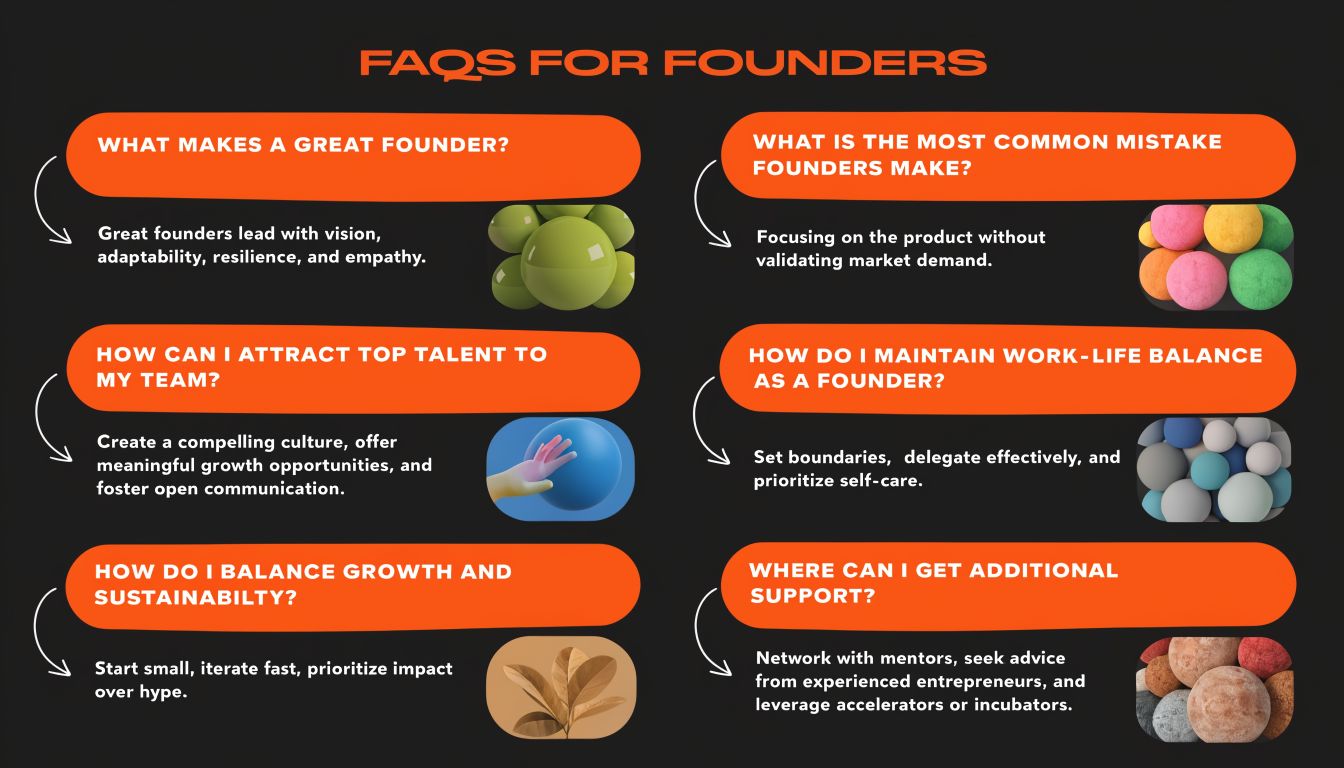
Do I need to run a green-tech company to care about this?
No. If you rent space, hire people, buy materials, host events, make products, or want a stronger brand story, it’s relevant.
Is this mostly for architects and developers?
Also no. They’ll find plenty to learn, but founders outside real estate can still use the center as a model for operational discipline and credible positioning.
What’s the best first move for a solo founder?
Start with one practical question tied to your business. Don’t begin with “I want to be more sustainable.” Begin with something like, “How can I make my workspace or customer experience more efficient and more credible?”
Should I focus on mission or margins?
Both. The whole point is that better systems can support both. When people separate the two too aggressively, they usually end up with either fake values or sloppy operations.
What if I’m too early stage?
Then you’re in a good spot. Early is when you can still shape habits, vendor choices, space decisions, and brand language before they harden into expensive defaults.
Is the center only useful if I own property?
No. Property owners may see direct lessons in site design and infrastructure, but renters and service businesses can still apply the operating logic. Efficiency, visibility, and trust aren’t limited to buildings.
What should I pay attention to on a first visit?
Look for systems, not aesthetics. Ask why things were designed a certain way. Ask what problems the design is solving. Ask what decisions save money, reduce waste, or improve resilience.
Go in like an operator. Leave with one idea you can apply, one person you should know, and one bad assumption you’re ready to drop.
If you’re the kind of founder who wants honest conversations, local relationships, and real momentum instead of fake networking, take a look at Chicago Brandstarters. It’s a strong fit for kind, hard-working Chicago builders who want to grow with other serious operators.
Leave a Reply